









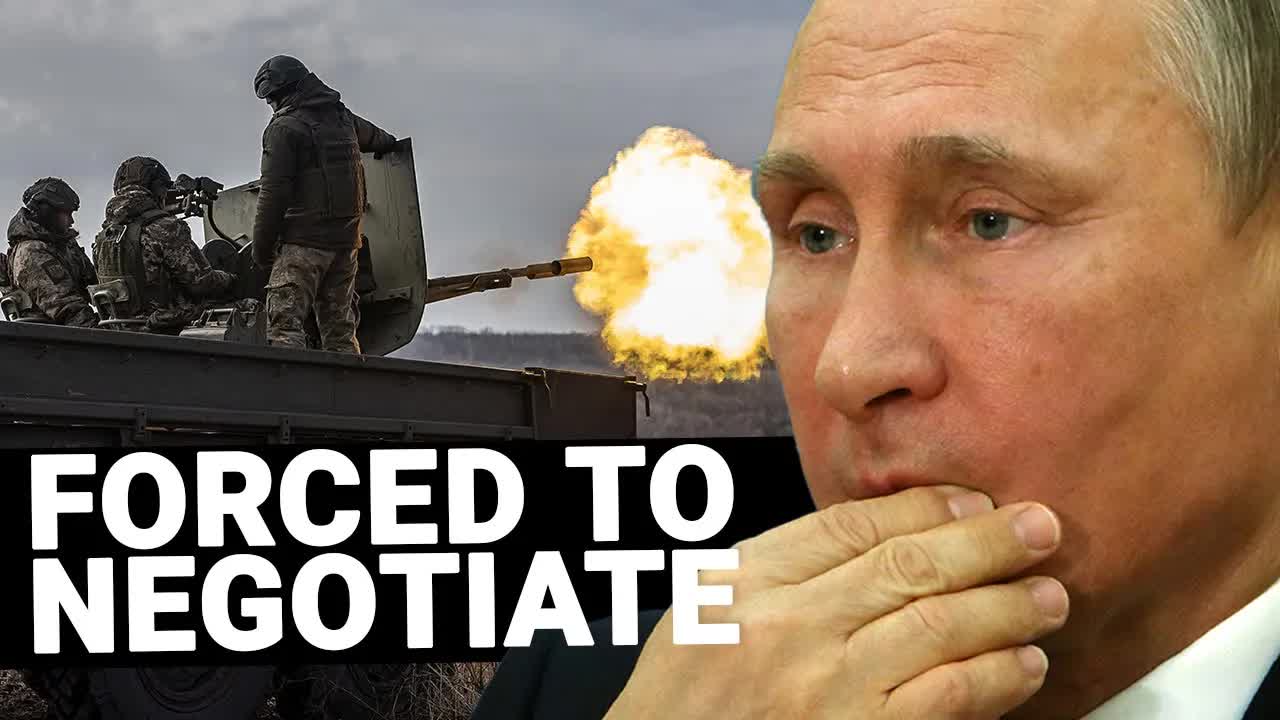
In the heart of Ukraine’s ongoing conflict, recent developments reveal the resilience and resourcefulness of its military forces.
During the Kursk operation, Ukrainian troops captured a significant number of conscripts, many of whom hailed from major cities like Saint Petersburg and Moscow.
These individuals were misled into believing they would never face frontline combat.
The outrage from their families over their capture has put pressure on President Vladimir Putin, prompting him to consider negotiations.
Maxim Tucker, the Times’ correspondent covering Ukraine and Eastern Europe, recently returned from a trip to Ukraine and shared insights into the current state of affairs.
According to Tucker, there is a palpable sense of anxiety among Ukrainians regarding the situation in Donbass.
With many Russian troops redeployed to Kursk, there are fears about the potential vulnerability of Ukrainian defenses.
Soldiers on the ground express concerns about whether they will receive reinforcements or relief as the conflict continues to evolve.
Another pressing issue for Ukrainian society is the ongoing mass mobilization of men.
Many are reluctant to enlist, fearing the high casualty rates reported from the front lines.
Amidst this backdrop, all eyes are on President Volodymyr Zelensky’s visit to the United States, where he hopes to secure guarantees of security and additional military supplies necessary for Ukraine to reclaim its territory.
The recent announcement that the U.S. will supply glide bombs to Ukraine has generated mixed feelings.
While this development is seen as beneficial, experts argue that lifting restrictions on the use of these long-range weapons is crucial.
Ukraine requires U.S. approval to target locations within Russia, and the need for more aircraft to deploy these glide bombs remains a pressing concern.
The training of additional F-16 pilots is a step forward, but many believe it is not happening quickly enough to meet the urgent needs of the Ukrainian military.
Tucker also highlighted a fascinating report detailing Ukraine’s strategic evolution in air defense.
Notably, Ukrainian forces successfully targeted and destroyed two Russian A-50 spy planes, which are comparable to NATO’s AWACS aircraft.
These planes have provided Russia with a significant advantage by monitoring Ukrainian airspace and troop movements.
The successful downing of these planes has effectively denied Russia aerial surveillance capabilities over Ukraine, marking a significant shift in the balance of power.
The operations to take down the A-50s were fraught with risk.
Ukrainian forces had to operate close to the front lines, often within artillery range of Russian positions.
The covert nature of these missions required meticulous planning and execution, showcasing the determination and ingenuity of Ukrainian forces in the face of adversity.
In addition to military tactics, Ukraine’s naval efforts are crucial for maintaining its economy.
Tucker visited Odessa, where he reported on the challenges faced by vessels attempting to navigate the grain corridor.
Ukraine relies heavily on agricultural exports, and the ongoing conflict has severely restricted its ability to transport goods.
Despite these challenges, Ukrainian sailors are working tirelessly to keep the corridor open, often facing threats from Russian forces who have resorted to laying mines and boarding vessels.
The sailors, many of whom come from occupied territories, are acutely aware of the risks involved in their operations.
They shared harrowing accounts of encounters with Russian forces, including incidents involving floating mines that pose significant dangers to civilian vessels.
Their willingness to speak out reflects their commitment to ensuring the safety and viability of Ukraine’s grain exports.
While Ukraine has made strides in keeping its grain routes operational, the volume of shipments has drastically decreased since the onset of the war.
Before the conflict, Ukraine was exporting around 750 shipments per month; now, it is projected to reach only about 2,250 shipments in the entire year.
The ongoing occupation of key ports by Russian forces continues to hinder Ukraine’s economic recovery.
As Tucker delves deeper into the complexities of the conflict, he is currently investigating the sporadic nature of prisoner exchanges between Ukraine and Russia.
Recent events have shown a surge in exchanges following Ukraine’s capture of Russian conscripts during the Kursk operation.
Families of these conscripts have expressed outrage at their loved ones being sent to the front lines, leading to increased pressure on Putin to negotiate.
The process of negotiating prisoner exchanges is fraught with complications.
Tucker notes that while the Ukrainian side has an organized coordination center, the Russian approach is far less structured.
This disparity complicates negotiations, making it difficult for families to understand the status of their loved ones.
The emotional toll on families awaiting news of their captured relatives is profound, with hope often turning to despair after each exchange.
As winter approaches, the stakes continue to rise for Ukraine.
The country faces not only the immediate challenge of military engagement but also the looming threat of energy infrastructure attacks by Russian forces.
With President Zelensky in New York, the outcome of his discussions with Western allies could greatly impact Ukraine’s ability to sustain its defensive efforts in the months to come.
The situation remains fluid, and the international community watches closely as Ukraine navigates these turbulent waters.
Read more
