









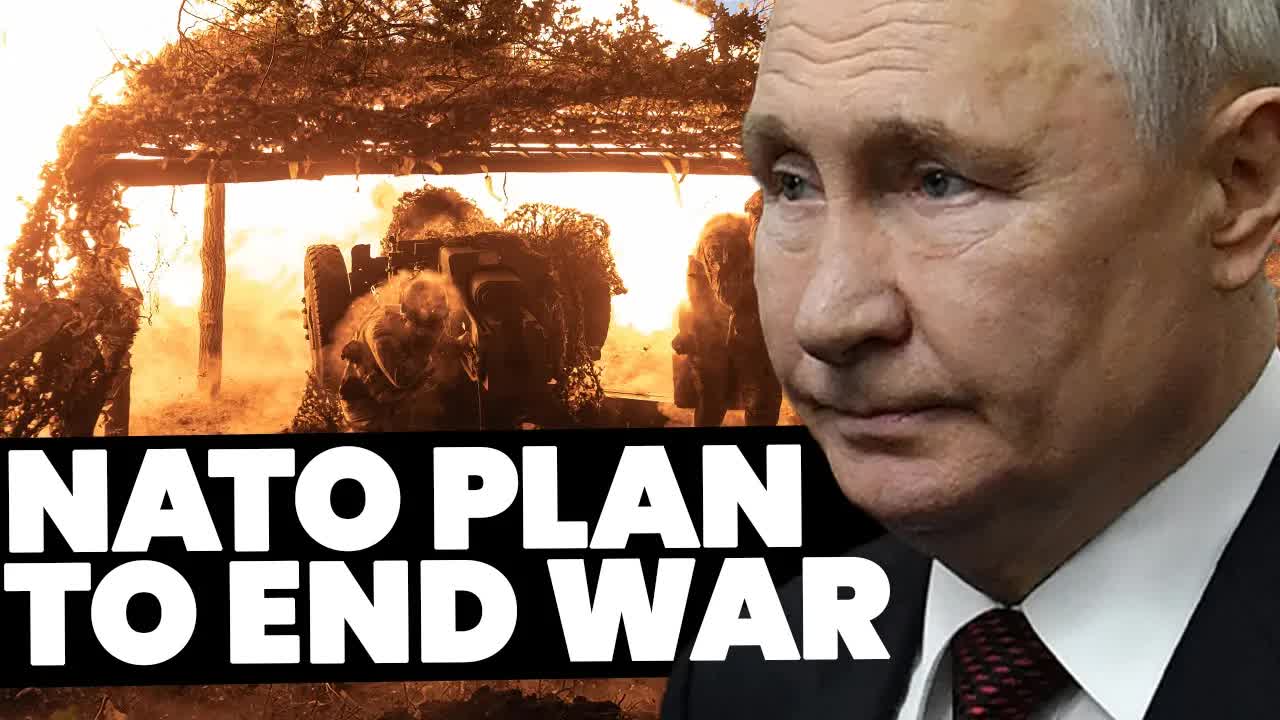
In a significant shift in strategy, Ukraine appears to be contemplating a partition agreement with Russia, prioritizing its NATO membership as a pathway to security and economic recovery.
Recent insights suggest that the Zelensky administration is willing to accept certain territorial losses if it means gaining robust support from NATO allies, including the United States and Canada.
This potential pivot may reshape the future of Ukraine amidst ongoing conflict.
The crux of this development lies in Ukraine’s desire to join NATO, which the government sees as essential for deterring further Russian aggression.
By aligning with NATO, Ukraine hopes to fortify its defenses and rebuild its economy, leveraging its existing strengths in manufacturing and agriculture.
With 75% of its territory still free from occupation, Ukraine believes it can emerge stronger than the 25% currently under Russian control, which will require extensive resources for recovery.
The conversation about territorial concessions raises questions about President Zelensky’s willingness to formally cede areas currently occupied by Russia.
While he may not agree to permanent loss, sources indicate that Zelensky could consider such an arrangement if accompanied by NATO and EU membership guarantees.
This would mark a significant departure from Ukraine’s previous stance, suggesting a pragmatic approach to a complex situation.
Zelensky’s government is reportedly prepared for negotiations without demanding an immediate withdrawal of Russian forces.
Instead, they might accept the current status quo as a temporary measure, focusing on rebuilding the remaining territories and establishing a secure future within NATO and the European Union.
The hope is that this strategy will ultimately lead to a more stable and prosperous Ukraine.
The Kremlin now faces a critical decision.
Accepting negotiations could allow Putin to claim a form of victory, even if it falls short of his original territorial ambitions.
However, refusing to engage could lead to further military escalations, risking additional losses as Ukraine receives advanced weaponry and support from its allies.
The stakes are high for both sides, with the balance of power shifting constantly.
Internally, selling such a deal to the Ukrainian populace presents a challenge.
Many Ukrainians have exhibited remarkable resilience in the face of adversity, but the prospect of conceding territory is likely to spark outrage.
Comparisons can be drawn to historical territorial disputes, where populations were understandably resistant to giving up land.
The Zelensky administration will need to navigate these sentiments carefully.
Despite the potential backlash, there’s a recognition of the toll the war has taken on Ukraine’s military and society.
With troops exhausted and families affected by the ongoing conflict, there is a growing understanding that a resolution may require difficult compromises.
The sacrifices made by the Ukrainian people are profound, and any agreement must honor their resilience while ensuring a path forward.
Historically, nations have faced similar dilemmas.
West Germany, for instance, had to accept a divided nation during the Cold War, prioritizing security and prosperity over territorial integrity.
Ukrainians might find themselves in a comparable situation, where the focus shifts to the long-term stability of the country rather than immediate territorial reclamation.
As the conflict continues, Russia’s military position seems increasingly precarious.
Reports indicate staggering casualty rates among Russian forces, raising questions about their ability to sustain prolonged engagements.
Putin’s reluctance to mobilize further troops reflects the political risks involved, particularly as public sentiment in Russia remains volatile.
While the Russians have made some advances in eastern Ukraine, the pace has been slow, and the overall strategic advantage appears to be slipping.
The longer the conflict persists without decisive victories, the more likely it becomes that both sides will seek a resolution.
For Ukraine, the goal remains to stabilize its sovereignty while navigating the complexities of international diplomacy.
Looking ahead, the coming months could prove pivotal.
If Russia fails to achieve significant military breakthroughs, the pressure for negotiations may increase.
The landscape of the conflict is shifting, and both Ukraine and Russia must grapple with the implications of their choices as they move toward a potential resolution.
In this turbulent environment, the international community’s role cannot be overstated.
As Ukraine seeks to solidify its alliances and rebuild, the support from NATO and European partners will be crucial.
The path forward may be fraught with challenges, but the ultimate aim remains clear: a secure and prosperous Ukraine, even if it means making tough decisions along the way.
Read more
