
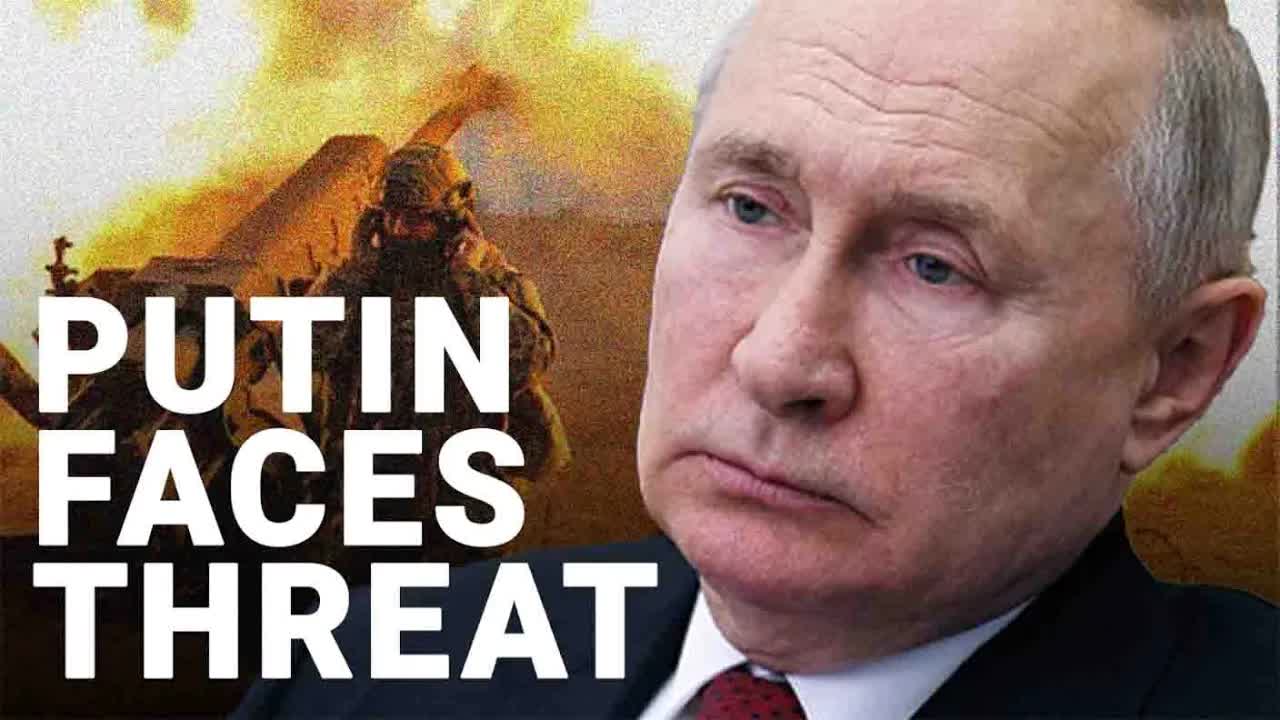
In a striking assertion of resolve, Ukraine has demonstrated that the concept of “red lines” holds no weight for Russia.
As the conflict continues, reactions from the Kremlin have escalated in response to various Western military support initiatives.
The situation began to intensify with discussions surrounding the provision of tanks, where Russia issued stern warnings about potential escalations if these deliveries proceeded.
This pattern of threats has only deepened with the introduction of advanced weaponry, including high-mobility artillery rocket systems and Storm Shadow missiles, revealing a clear absence of limits in Russia’s responses.
At the forefront of this ongoing struggle is Ukrainian President Volodymyr Zelensky, who is currently in New York seeking global backing for what he terms his “plan for victory.”
This ambitious strategy includes a critical request for permission to launch Western missiles into Russian territory.
Zelensky argues that true peace can only be achieved by compelling Russia—the acknowledged aggressor in this war—to cease its hostilities, which blatantly violate international law.
During an insightful conversation with Yeho Chernev, the deputy chair of Ukraine’s National Security, Defense, and Intelligence Committee, the significance of Zelensky’s visit to New York was underscored.
Chernev emphasized that this moment is pivotal in the ongoing conflict.
He noted that the president’s appeal extends beyond just missile permissions; it encompasses a comprehensive victory plan aimed at fortifying Ukraine’s defense capabilities against a formidable Russian military presence.
Chernev articulated the urgency of lifting restrictions on long-range missile strikes, particularly against legitimate military targets within Russia.
He highlighted the pressing need to neutralize Russia’s ability to deploy guided bombs—an ongoing threat not only to Ukrainian forces but also to innocent civilians.
A recent attack in Kharkiv, which resulted in casualties among residents, exemplifies the dire need for enhanced defensive measures.
The reluctance of President Biden and other world leaders to grant such permissions stems from concerns about escalating tensions and potentially drawing NATO into a more direct confrontation with Russia.
However, Chernev expressed confusion over this caution, pointing out that Ukraine has repeatedly shown that Russia’s threats often lack substance.
He recalled how each time Western nations provided military support, it was met with warnings from Moscow that ultimately proved unfounded.
As the Prime Minister heads to New York, Chernev stressed the importance of securing British Storm Shadow missiles, which require U.S. guidance systems to be fully operational.
He expressed hope that influential leaders like UK Foreign Secretary David Lammy would advocate for a decisive shift in policy regarding missile support for Ukraine.
Interestingly, Chernev revealed that there had been indications from U.S. sources just weeks prior that a decision to lift missile restrictions was imminent.
However, as meetings unfolded between U.S. and UK officials, expectations shifted, leaving Ukraine in a state of uncertainty about the promised support.
Beyond the immediate need for weaponry, Chernev hinted at a broader vision for Ukraine’s future, which includes eventual NATO membership.
He believes that such an invitation would send a strong message to Russia, deterring future aggression.
Yet, he acknowledged the current reality: NATO cannot extend membership while the conflict rages on.
When asked about the possibility of negotiating peace that might entail territorial concessions to Russia, Chernev firmly rejected the notion.
Hailing from Berdyansk, a city currently under occupation, he expressed deep personal and national commitment to reclaiming lost territories.
The sentiment among Ukrainians, he noted, is overwhelmingly against conceding any land, emphasizing that their resolve remains intact.
The conversation also touched on the potential influence of political figures like Donald Trump, who has claimed he could resolve the conflict swiftly if elected.
Chernev expressed skepticism about Trump’s assertions, noting that without a concrete plan, such promises hold little weight.
He reiterated that Ukraine has its own well-defined strategy for achieving victory and peace, rooted in principles of territorial integrity and sovereignty.
Chernev’s remarks encapsulate the determination of Ukraine’s leadership as they navigate the complexities of international diplomacy and military strategy.
With President Zelensky advocating for support in New York, the world watches closely, recognizing that the outcome of this struggle will resonate far beyond Ukraine’s borders.
Read more
