







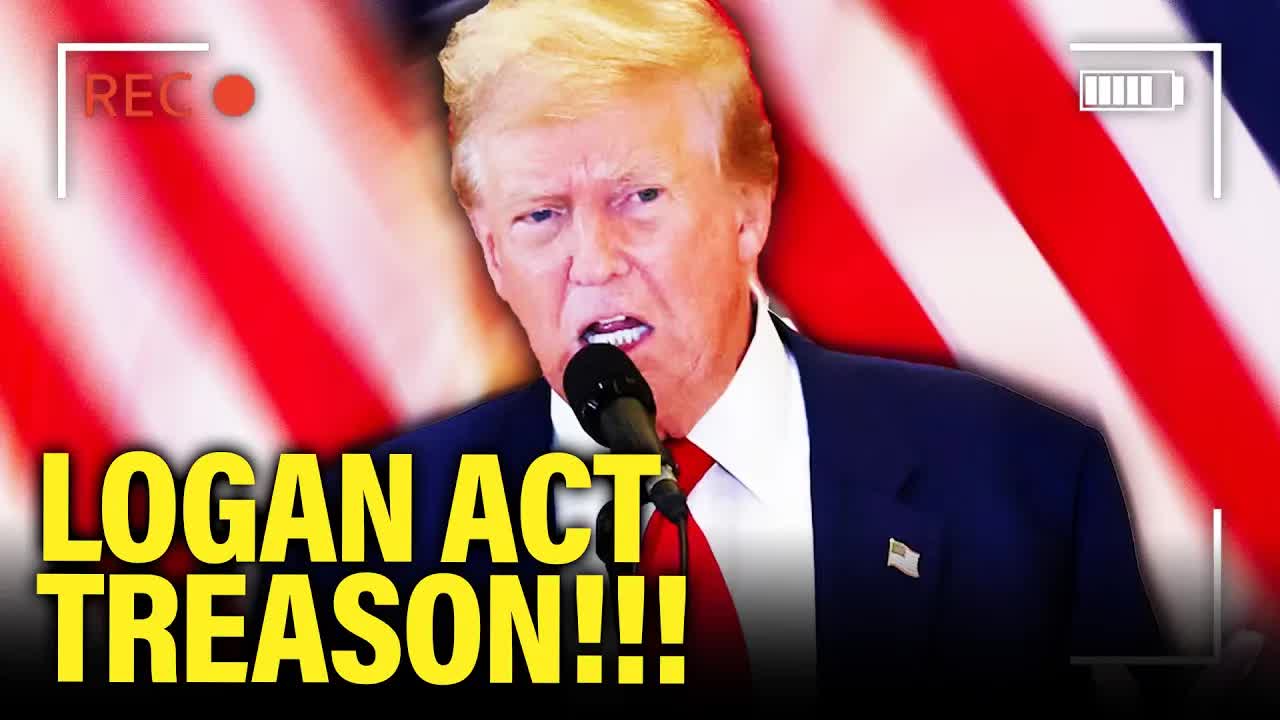
In a startling revelation, investigative journalist Bob Woodward has unveiled a series of secret communications between former President Donald Trump and Russian leader Vladimir Putin.
According to Woodward’s latest book, “War,” these interactions occurred at least seven times, prompting calls for an investigation by the Department of Justice.
The implications of these communications could be far-reaching, potentially exposing Trump to serious legal consequences.
Woodward’s findings highlight a stark contrast between Trump’s public statements and his private dealings.
While Trump has claimed to have a swift solution to the ongoing conflict in Ukraine, the details of his alleged resolution suggest a troubling compromise: ceding 40% of Ukraine’s territory to Russia.
This notion not only undermines Ukraine’s sovereignty but also raises questions about Trump’s commitment to democratic values and international law.
The backdrop of these revelations is a tense geopolitical landscape, where Ukraine is striving to maintain its independence against Russian aggression.
Trump’s proposals seem to align more with appeasing Putin than supporting Ukraine’s desire for freedom and democracy.
This raises an alarming question: Is Trump prioritizing his relationship with Putin over the interests of an ally?
Adding to the gravity of the situation is the nature of Trump’s communications with Putin.
One particularly concerning incident involved Trump allegedly dismissing an aide from the room to speak privately with the Russian president.
During this conversation, Trump even offered to send COVID-19 testing materials to Putin, which was so controversial that aides reportedly advised him to keep it under wraps.
This kind of behavior raises eyebrows about Trump’s understanding of his role as president and his responsibilities toward American interests.
The U.S. Constitution clearly delineates the powers of the presidency, particularly in Article II, Section 3, which grants the president exclusive authority to conduct foreign policy.
Trump’s actions may violate this constitutional provision, as they suggest an unauthorized negotiation with a foreign power.
The Logan Act, a federal statute dating back to 1799, further complicates matters, making it illegal for private citizens to engage in diplomacy without official approval.
Moreover, 18 U.S.C.
953 reinforces this legal framework by prohibiting any U.S. citizen from conducting unauthorized correspondence with foreign governments, especially with the intent to influence their actions.
Given the context of Trump’s discussions with Putin, one must wonder if he has crossed legal boundaries by engaging in what could be described as a shadow foreign policy.
The implications of these interactions go beyond mere etiquette or political decorum; they hint at potential criminal activity.
With Trump seeking to reclaim the presidency, his past communications with Putin could haunt him, especially if the DOJ decides to investigate.
The current administration, led by President Joe Biden, remains in a position to initiate such inquiries, and many are calling for action.
As the political landscape shifts and the 2024 election approaches, the question looms large: What impact will these revelations have on Trump’s prospects?
If he is found to have violated the law, it could severely undermine his campaign and tarnish his legacy.
It’s a precarious moment for Trump, who seems to be navigating a minefield of legal challenges while trying to regain political power.
Furthermore, the relationship between Trump and Putin has long been scrutinized, with critics arguing that it poses a threat to American democracy.
The idea that Putin might be leveraging his connection with Trump to influence U.S. politics adds another layer of complexity to this already fraught situation.
As allegations of Russian interference in American elections continue to surface, the urgency for clarity and accountability becomes even more pronounced.
In light of these developments, it is crucial for the DOJ to thoroughly investigate the nature of Trump’s communications with Putin.
The stakes are high, not just for Trump but for the integrity of American democracy itself.
With the constitutional framework in place to address such breaches, it is imperative that the rule of law prevails.
As we delve deeper into this unfolding story, it is essential to remain vigilant and informed.
The intersection of law and politics is a dynamic arena, and the implications of Trump’s actions could reverberate for years to come.
The American public deserves transparency and accountability, particularly from those who aspire to lead the nation.
The coming days and weeks will likely reveal more about this complex web of interactions and their potential ramifications.
Keeping a close eye on the developments will be crucial as this narrative continues to evolve.
Read more
