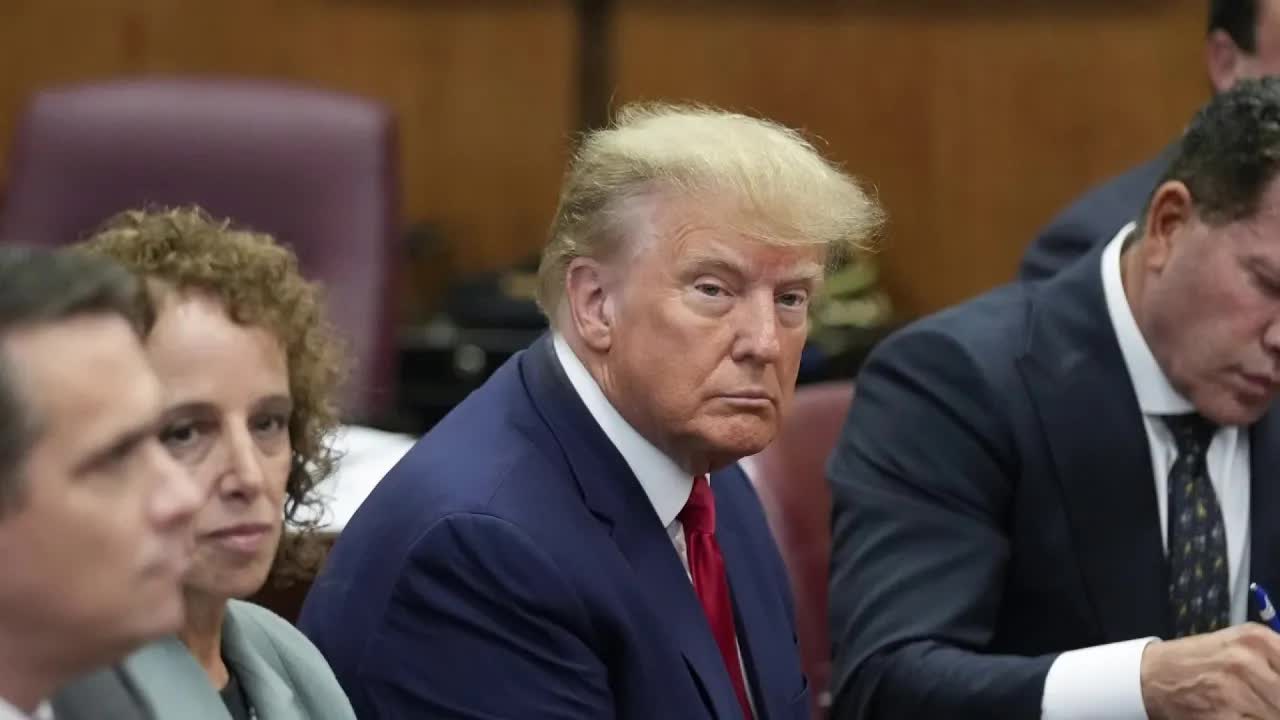
As the clock ticks down to a pivotal mini-trial in Washington, D.C., Donald Trump appears to be pulling out all the stops to sidestep the impending legal scrutiny.
With the November election looming, his recent court actions reveal a frantic attempt to obstruct the process.
So, what exactly has Trump done this time?
In a bid to block Special Counsel Jack Smith from filing an extensive 180-page motion detailing evidence of Trump’s alleged crimes related to January 6, Trump’s legal team has taken a bold stance.
This oversized filing is set to be submitted to the court on September 26, and Trump’s attorneys are attempting to label it as a “monstrosity.” Their argument?
They claim it could potentially harm witnesses and influence the jury pool.
It’s quite the twist, considering that Trump himself was previously gagged by the court for making inflammatory statements about witnesses, putting them at risk.
Now, however, his team is expressing concern over the impact of presenting the facts surrounding his January 6 actions.
This apparent hypocrisy raises eyebrows and suggests a politically charged motive behind their request.
The irony doesn’t stop there.
This ongoing mini-trial stems from a ruling made by justices that Trump himself appointed to the Supreme Court.
They decided that certain actions he took while trying to cling to power after losing the election could be classified under presidential immunity.
Essentially, they’ve opened the door for a legal examination of which of Trump’s actions were official presidential duties and which were not.
The Supreme Court’s decision means that Judge Tanya Chutkan now faces the task of determining which of Trump’s actions in connection with the January 6 insurrection fall under this protective umbrella.
Spoiler alert: most of them likely do not.
Yet, despite having asked for this very examination, Trump seems to be backpedaling, expressing outrage at the prospect of facing the consequences of his actions.
In a curious twist, Trump’s team has invoked a so-called unwritten “60-day rule,” citing comments from former FBI Director James Comey.
They argue that law enforcement should refrain from taking significant actions close to an election.
But here’s the catch: this rule only applies when there’s no ongoing prosecution.
Once charges are filed, as they are in Trump’s case, the judicial process is expected to proceed without delay.
Judge Chutkan has already made it clear that her courtroom won’t bend to the political calendar.
She has stated unequivocally that this case will not yield to the whims of an election cycle, further undermining Trump’s argument.
In fact, the 60-day rule is irrelevant in this context, and Trump’s legal team knows it.
As we approach this critical mini-trial, it’s essential to grasp why this moment is so significant.
The stakes are incredibly high.
Trump has been accused of numerous crimes, and while he hasn’t outright denied them, he’s instead clamoring for immunity.
His actions following the 2020 election have raised serious questions about his attempts to undermine democracy.
The Supreme Court’s ruling, which some view as a dangerous precedent, has left Judge Chutkan in a challenging position.
She must sift through the evidence to determine which of Trump’s actions can be prosecuted.
This upcoming hearing is crucial for transparency and accountability, especially as we gear up for another presidential election.
The irony is palpable: Trump sought presidential immunity, and now he’s faced with the very consequences of that request.
He wants to enjoy the benefits of immunity while simultaneously avoiding scrutiny of his actions.
As we look forward to the developments in this case, it remains to be seen whether justice will prevail or if Trump will continue to evade accountability.
With Jack Smith poised to present his comprehensive evidence, the hope is that this mini-trial will shed light on the extent of Trump’s alleged misconduct.
The American public deserves clarity on these issues, particularly as we approach another election cycle.
It’s time for the truth to emerge, and for those in power to be held accountable for their actions.
Read more
