




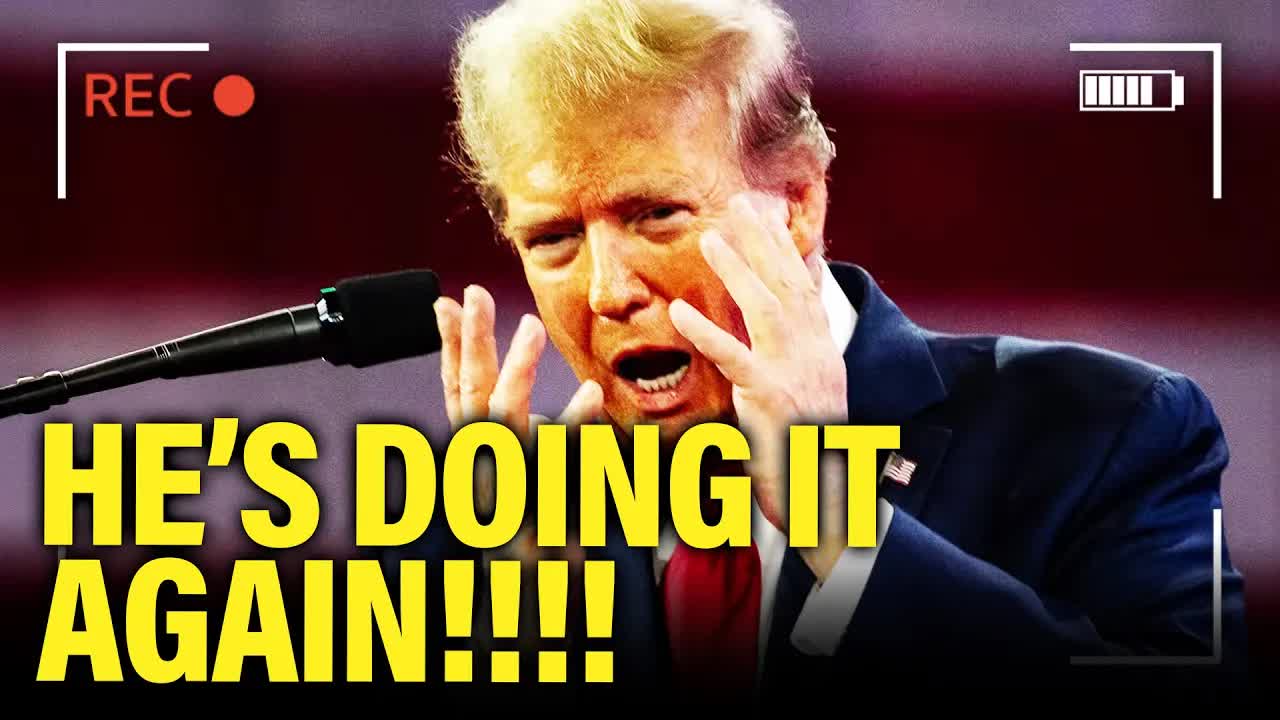
In recent days, Donald Trump has exhibited signs of increasing panic, which is evident in his dangerously heightened rhetoric.
This shift raises alarms as he appears to be throwing out increasingly outrageous claims, seemingly in a desperate attempt to regain control over the narrative.
Brett Micellis from the Midas Touch Network highlights this alarming trend, emphasizing the need to scrutinize Trump’s statements and the motivations behind them.
One of Trump’s most egregious comments came via social media, where he referred to America as “Occupied America” and proclaimed November 5, 2024, as “Liberation Day.”
He vowed to “rescue” cities like Aurora, Colorado, from what he described as an invasion by “vicious and bloodthirsty criminals.”
This inflammatory language echoes previous falsehoods he propagated about migrants, including bizarre claims that Venezuelan gangs had seized control of Aurora.
Such rhetoric is not only irresponsible but also deeply divisive.
During a recent rally in Aurora, Trump doubled down on these xenophobic narratives, reminiscent of his earlier calls to “Liberate Michigan” that incited unrest and culminated in the Capitol riots.
The former president’s rhetoric suggests a strategy rooted in fear, painting a picture of a nation under siege, while positioning himself as the sole savior.
This tactic, which he first employed during his inauguration, reflects a consistent theme of American carnage that he seems determined to exploit.
As Trump continues to lash out at migrants, it appears he is acutely aware of unfavorable polling data.
In Pennsylvania, for instance, a staggering 68.4% of mail-in ballots have been cast by Democrats, establishing a significant lead.
Meanwhile, in Michigan, nearly 10% of total votes from 2020 have already been returned, with a notable gender gap favoring women voters.
These figures reveal a growing enthusiasm for Vice President Kamala Harris, further compounding Trump’s sense of urgency.
A closer look at recent polling reveals a troubling trend.
Many of the polls released since late September have shown a disproportionate number aligned with Republican interests, raising questions about their reliability.
Notably, a poll in Pennsylvania suggested Trump was leading among likely voters, but it was later revealed that the survey excluded a large portion of Philadelphia, skewing the results in his favor.
This manipulation of data underscores the lengths to which Trump’s camp may go to create a misleading narrative.
The panic in Trump’s camp is palpable as they grapple with the reality of voter turnout and support.
His social media posts have taken a turn toward fear-mongering, illustrated by a recent AI-generated image he shared to stoke fears about crowded classrooms being a direct result of open borders.
Such tactics are not only disingenuous but also serve to further divide the electorate.
At a rally, Trump threatened to revoke broadcasting licenses from networks like CBS, which featured Harris in a recent interview, accusing them of dishonesty.
This attack on the media reflects a broader strategy to undermine credible sources while promoting a narrative that paints him as the victim of unfair scrutiny.
Ironically, Trump himself had declined an invitation to appear on CBS, citing concerns over fact-checking.
Moreover, Trump’s claims about Harris using a teleprompter during a town hall have been debunked, yet he persists in spreading this falsehood.
His suggestion of invoking the Alien Enemies Act of 1798 to target migrants further illustrates his willingness to resurrect antiquated laws to justify his agenda.
This rhetoric is not just alarming; it raises serious ethical questions about leadership and accountability.
In stark contrast to Trump’s divisive approach, Vice President Harris has been actively promoting bipartisanship and collaboration.
At a recent event, she announced plans to establish a bipartisan council to encourage diverse ideas and foster cooperation among political factions.
Her message of unity stands in sharp relief against Trump’s fear-driven tactics, emphasizing the importance of a healthy democracy.
As the political landscape continues to shift, it is crucial for supporters of democracy to remain vigilant and organized.
Grassroots efforts, such as those led by the Culinary Workers Union in Nevada, demonstrate the power of collective action in mobilizing voters for positive change.
Their commitment to knocking on doors for Harris exemplifies a proactive approach to countering the negativity permeating Trump’s campaign.
Ultimately, the stark contrast between Trump’s rhetoric and Harris’s vision for America highlights a fundamental choice facing voters.
As the election approaches, it becomes increasingly vital to amplify messages of hope and inclusivity rather than fear and division.
Engaging in meaningful dialogue and encouraging voter participation will be essential in shaping the future of the nation.
It’s clear that the stakes are high as we navigate this tumultuous political climate.
By staying informed and involved, we can contribute to a more constructive narrative that prioritizes the values of democracy and unity over the chaos and fear that Trump seeks to promote.
Read more
