


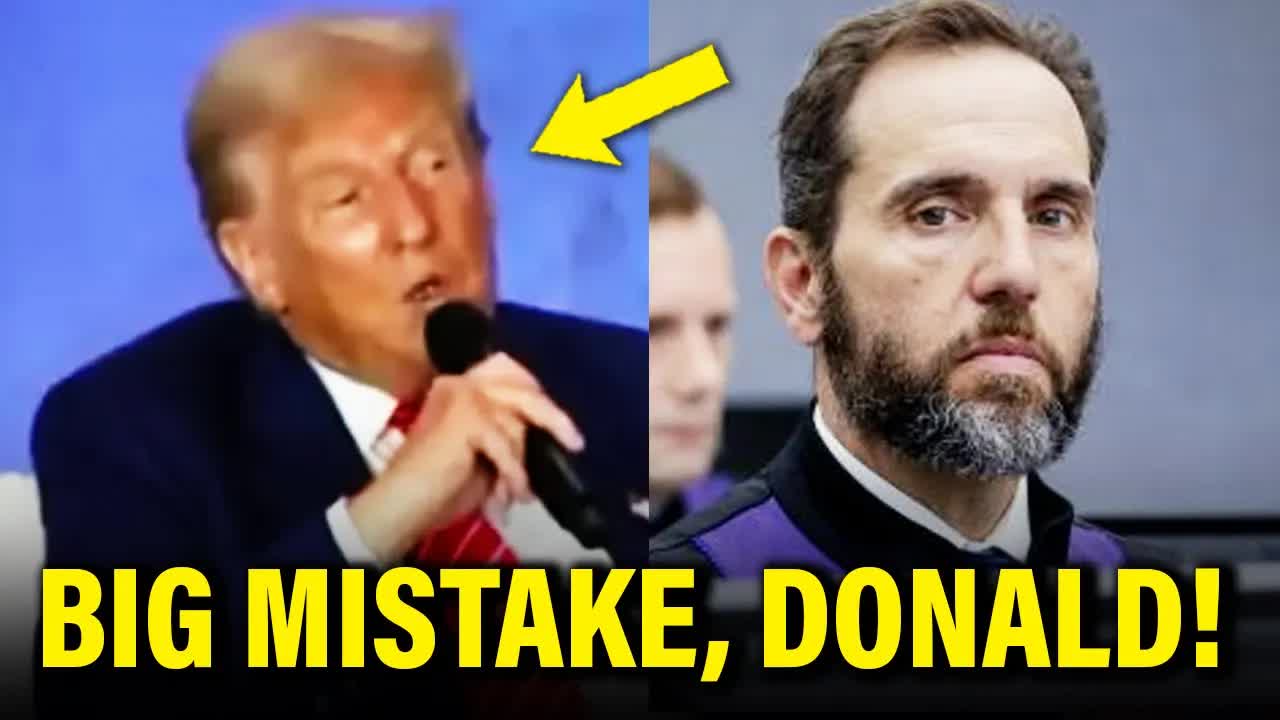
In a recent speech, former President Donald Trump stirred the pot once again with his comments regarding the 2020 presidential election.
While addressing an audience, he claimed to have received an unprecedented number of votes—63 million—yet still lost to Joe Biden by what he described as “a whisker.” This statement has sparked conversations about the implications of his rhetoric, especially given his history of insisting that the election was stolen from him.
Trump’s assertion that he garnered more votes than any sitting president in history is certainly eye-catching.
He emphasized this point, stating, “Nobody’s ever gotten more votes as a sitting president,” and yet he insists that he was narrowly defeated.
It raises eyebrows when he attributes his loss to what he claims was election fraud, suggesting that the use of COVID-19 played a role in what he describes as cheating.
During his speech, which was ostensibly focused on manufacturing and job creation, Trump veered off course, launching into a tirade about immigration and crime.
He referenced incidents in cities like Springfield, Ohio, and Aurora, Colorado, where he alleged that armed groups were taking over properties.
In a twist of irony, he criticized Biden for supposedly hiding in his basement during the campaign, while simultaneously suggesting that the election results were a close call.
This isn’t the first time Trump has made such remarks.
Just a month prior, he had echoed similar sentiments at a far-right gathering, repeating the phrase about losing “by a whisker.” When confronted by journalists, he claimed his comments were sarcastic, but many find it hard to believe he was jesting.
After all, sarcasm typically doesn’t involve such serious claims about election integrity.
The former president’s insistence that he won the election, despite overwhelming evidence to the contrary, has been a hallmark of his post-presidency narrative.
He frequently revisits this theme, arguing that his victory was stolen through widespread voter fraud.
Yet, numerous court cases and investigations have consistently debunked these claims, finding no substantial evidence of wrongdoing.
When asked how he plans to win back independent suburban voters, Trump doubled down on his belief that he won in 2020.
He pointed to what he claims are instances of ballot stuffing and other election irregularities, despite the fact that recounts and audits in key states have repeatedly confirmed Biden’s victory without significant discrepancies.
Interestingly, Trump’s comments could have legal implications.
As he continues to assert that he was cheated out of a win, these statements might be used against him in ongoing legal battles concerning his alleged attempts to overturn the election results.
Special Counsel Jack Smith is currently building a case that hinges on whether Trump knowingly spread false claims about the election outcome.
As the legal proceedings unfold, Trump’s team has pushed back against the release of evidence related to these claims, arguing that it could interfere with the upcoming election.
However, Judge Tanya Chutkin has made it clear that her focus remains on the judicial process, not political considerations.
Despite the ongoing controversies, Trump’s rallies continue to draw large crowds, with supporters seemingly undeterred by his mixed messages about the 2020 election.
His ability to connect with his base remains strong, even as he navigates the complexities of legal challenges and public scrutiny.
The narrative surrounding the 2020 election is far from settled, with many Americans eager for clarity.
Trump’s remarks serve as a reminder of the deep divisions that persist within the country, fueled by differing perceptions of truth and accountability.
As we approach the next election cycle, the impact of Trump’s rhetoric will likely continue to resonate, influencing both his supporters and detractors.
The unfolding legal cases may also shape the political landscape, making the stakes higher than ever for all involved.
Ultimately, Trump’s insistence that he won the election—even as he acknowledges a narrow loss—highlights the ongoing struggle for narrative control in American politics.
Whether this strategy will pay off remains to be seen, but one thing is clear: the conversation around election integrity and accountability is far from over.
Read more
