


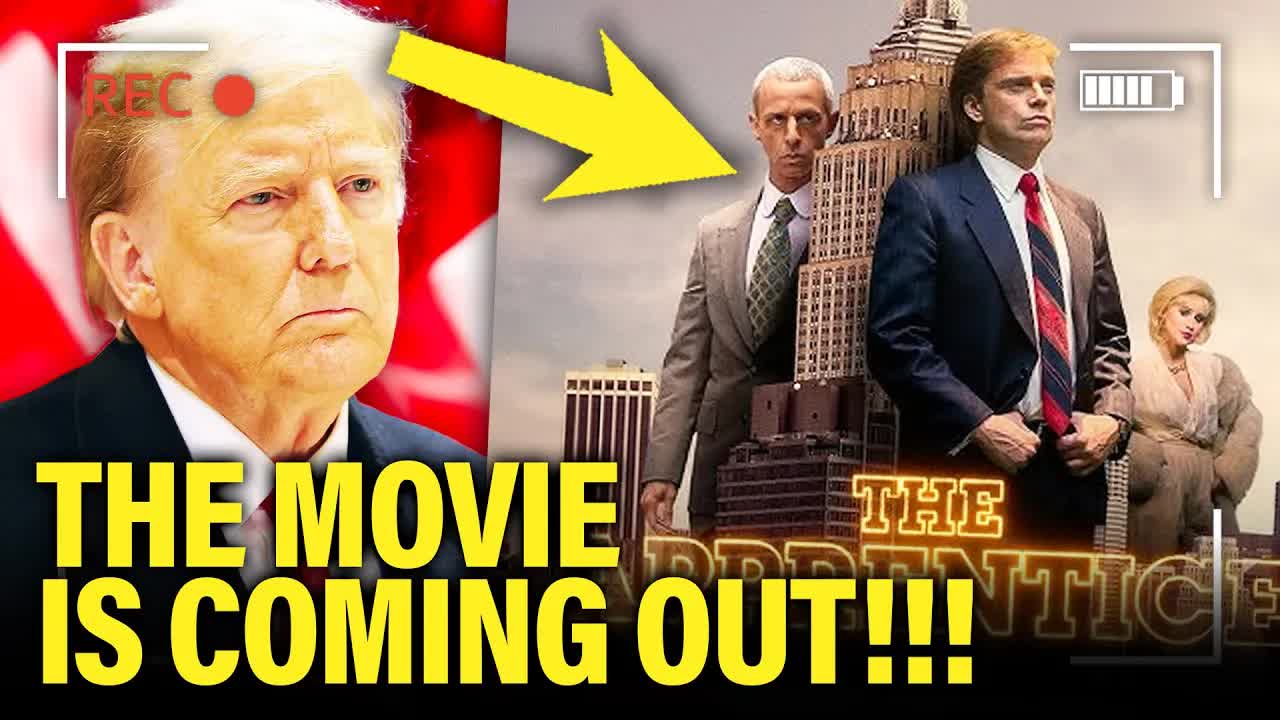
In a dramatic twist reminiscent of his own reality TV persona, Donald Trump has tried to halt the release of “The Apprentice,” a film that delves into his early years and the influence of his mentor, Roy Cohn.
Despite his threats of legal action against the filmmakers and writers, the film is set to premiere on Friday, October 11th.
Early clips suggest that this cinematic portrayal will provide a compelling look at Trump’s formative years, particularly in light of his recent performance in the political arena.
The movie promises to contrast sharply with Trump’s recent public appearances, including a debate where he faced off against Vice President Kamala Harris.
As anticipation builds, exclusive clips from the film reveal a well-crafted narrative that sheds light on the former president’s controversial tactics.
Trump’s attempts to block the film seem futile, with the production team standing firm against his legal threats.
Joining the conversation is Gabe Sherman, the writer behind this ambitious project.
Sherman, who has spent seven years bringing this film to fruition, reflects on Trump’s predictable pattern of intimidation.
“Donald Trump threatens to sue the mailman,” he quips, highlighting the absurdity of Trump’s legal posturing.
The film explores the dynamic between Trump and Cohn, showcasing how the latter’s aggressive strategies shaped Trump’s approach to politics.
Sherman notes that this film isn’t merely a takedown of Trump; it’s an insightful exploration of his evolution.
The casting choices are noteworthy, with Jeremy Strong portraying Cohn and Sebastian Stan embodying a young Trump.
This portrayal captures a side of Trump that many have never seen—his life before fame, when he was simply the son of a wealthy real estate developer from Queens, trying to make a name for himself in Manhattan.
The film’s relevance has skyrocketed, coinciding with the current political climate as Trump continues to influence the Republican Party.
Sherman reflects on the challenges faced during production, revealing that Hollywood’s reluctance to finance the project stemmed from its controversial nature.
Independent investors eventually stepped in, allowing the film to come to life at a time when its themes resonate more than ever.
Trump’s relationship with Hollywood has always been tumultuous, often filled with contradictions.
He frequently references actors in his speeches, using them to illustrate points about various topics, including immigration.
This obsession seems to stem from a deep desire for validation from the entertainment industry, which he often feels eludes him due to his polarizing political stance.
In a recent speech, Trump made a bizarre comparison, suggesting that no actor could adequately portray certain migrants, emphasizing their supposed toughness.
Such comments reflect his complicated relationship with celebrity—a blend of admiration and resentment.
It’s clear that Trump wishes to be embraced by Hollywood, yet his rhetoric pushes him further away from that goal.
Sherman praises Stan’s performance, emphasizing that it transcends mere imitation.
Rather than caricaturing Trump, Stan captures the essence of the character, providing viewers with a nuanced understanding of the man behind the public persona.
This authenticity is crucial, as the film aims to peel back layers of Trump’s identity, revealing truths that traditional journalism sometimes overlooks.
The film’s timing could not be more poignant, especially after the events of January 6th and Trump’s ongoing influence within the GOP.
Many were surprised by his resurgence in the political landscape, leading to discussions about the role of media in shaping public perception.
Sherman critiques corporate media for often normalizing Trump’s behavior, arguing that it fails to adequately convey the threat he poses to democracy.
As Sherman prepares for the film’s release, he reflects on the broader implications of journalism in today’s climate.
He expresses concern that mainstream media continues to sanitize Trump’s actions, treating them as typical political maneuvers rather than the alarming deviations they represent.
This normalization, he argues, is a significant failure of the press.
With “The Apprentice” set to hit theaters, excitement is palpable among audiences eager to see this unique perspective on Trump’s rise to power.
Sherman hopes the film will spark conversations about the nature of media and politics, encouraging viewers to rethink their understanding of leadership and influence.
As the release date nears, all eyes will be on how this film shapes the narrative surrounding one of America’s most controversial figures.
Read more
