
In a striking contrast of political energies, recent rallies by former President Donald Trump and Vice President Kamala Harris have captured public attention, showcasing the divergent paths their campaigns are taking as the election approaches.
While Trump appears to be struggling with dwindling crowds and cognitive lapses, Harris is drawing thousands of enthusiastic supporters, emphasizing her message of unity and progress.
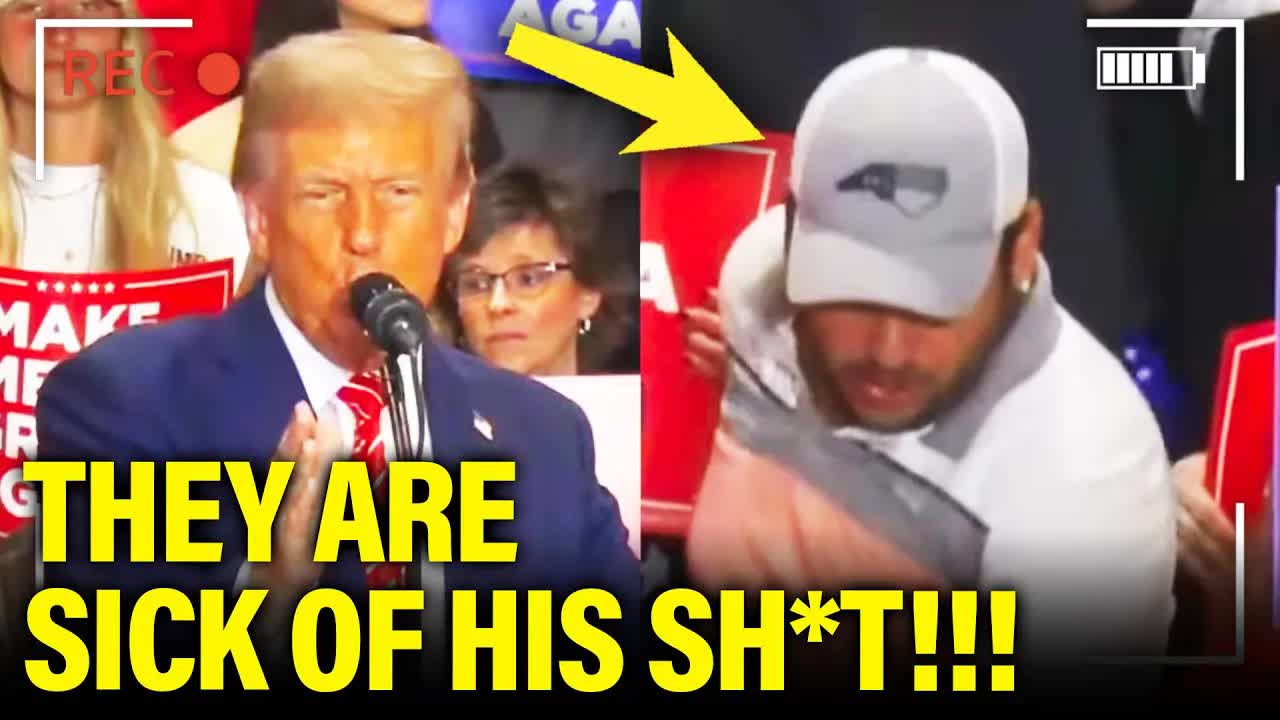
During a rally in North Carolina, Trump’s demeanor seemed weary and lethargic, as he spoke to a crowd that was notably smaller than those attending Harris’s events.
In stark comparison, Harris addressed a vibrant audience of 20,000 in Raleigh, North Carolina, underscoring the enthusiasm surrounding her campaign.
The visual contrast was palpable, with Trump insisting that “nobody leaves” his rallies, even as individuals were seen walking out behind him.
As Trump rambled on, he made claims about his rallies being filled to capacity, despite the evident departures.
He attempted to dismiss criticisms about audience engagement by referencing past debates and insisting that his supporters remain loyal.
Yet, the reality of his situation was hard to ignore, raising questions about the state of his campaign.
Harris, on the other hand, focused on the stakes of the upcoming election, framing it as a pivotal moment for democracy.
Her speeches resonate with themes of empowerment and inclusivity, urging voters to recognize the importance of their voices.
She passionately stated, “We are six days away from an election,” emphasizing the urgency of voter participation.
Trump’s rhetoric, however, often spirals into personal grievances and conspiracy theories.
He claimed that if God were counting votes in California, he would win, attributing his losses to alleged electoral fraud rather than acknowledging the reality of voter sentiment.
Such statements reflect a fixation on self rather than the collective needs of the electorate.
In a particularly odd moment, Trump referenced his uncle’s lengthy tenure at MIT as proof of his own intelligence, a claim that many found perplexing.
His focus on personal anecdotes and inflated self-importance starkly contrasts with Harris’s approach of outlining concrete plans aimed at improving the lives of everyday Americans.
While Trump criticized Harris, asserting she lacks the necessary qualities for leadership, she countered by presenting a detailed agenda aimed at addressing pressing issues like healthcare, childcare costs, and middle-class tax cuts.
Her vision stands in stark contrast to Trump’s self-centered narrative, as she emphasized the need for actionable policies rather than divisive rhetoric.
Moreover, Harris’s speeches often highlight the importance of collaboration and moving beyond division.
She envisions a future where leaders prioritize the well-being of their constituents over personal vendettas, a sentiment that resonates with voters tired of the political status quo.
Meanwhile, the Las Vegas Sun editorial board recently endorsed Harris, expressing concerns about Trump’s cognitive decline.
This sentiment is echoed by a coalition of former CEOs who voiced their support for Harris, positioning her as the candidate of stability and progress while warning against the chaos associated with Trump’s leadership style.
As the election draws near, the stark differences between the two candidates could not be clearer.
Trump’s fixation on grievances and personal attacks stands in sharp contrast to Harris’s focus on unity and constructive change.
With just days left until voters head to the polls, the question remains: which vision will resonate more with the American public?
The contrasting narratives of Trump and Harris serve as a microcosm of the broader political landscape, highlighting the choices facing voters.
As Americans prepare to cast their ballots, the stakes have never been higher, and the outcome of this election will undoubtedly shape the future of the nation.
Read more
