









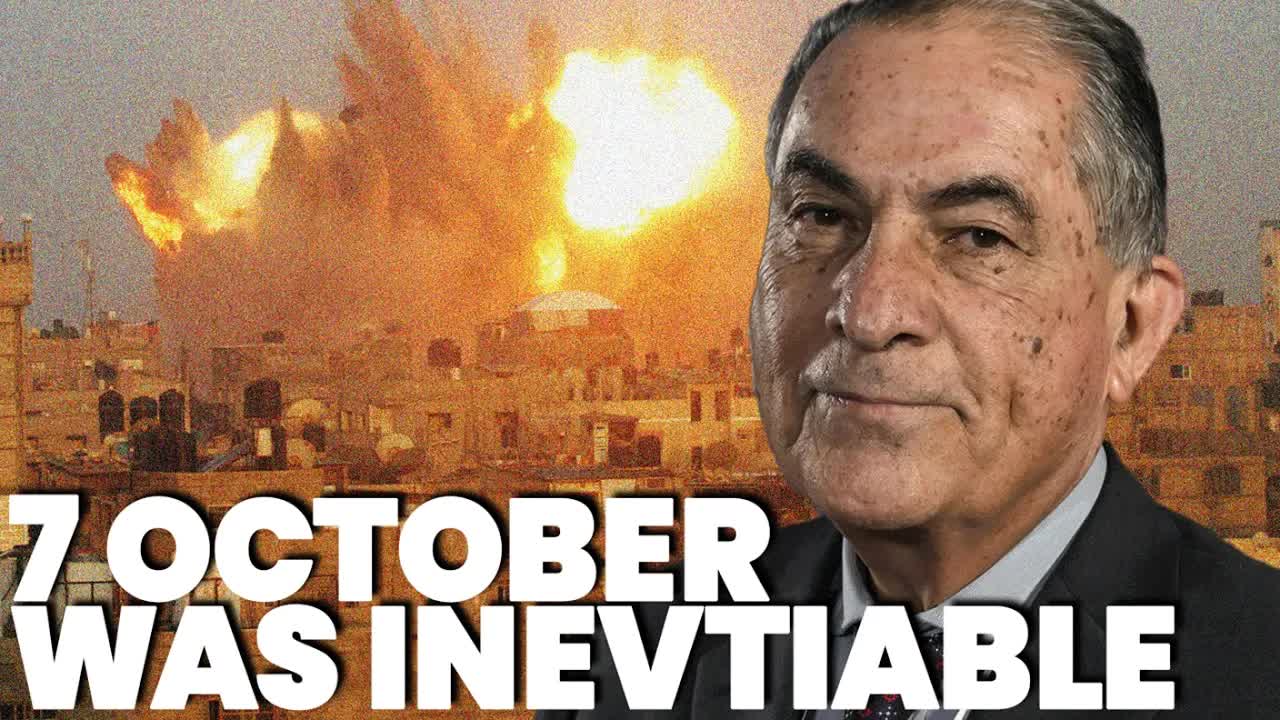
On October 7, 2023, a dark chapter in the ongoing conflict between Israel and Gaza unfolded—a moment steeped in years of tension and despair.
According to Gideon Levy, an award-winning journalist and notable critic of Israeli policies, this date didn’t emerge from nowhere.
Rather, it was the culmination of nearly two decades of suffering in what he describes as the “biggest open prison in the world.” With his new book, “The Killing of Gaza,” Levy sheds light on the catastrophic events leading up to that fateful day, offering a perspective that challenges mainstream narratives.
Levy, a prominent writer for the liberal Israeli newspaper Haaretz, has long been a controversial figure due to his outspoken views against the treatment of Palestinians by the Israeli government.
His recent reflections reveal a grim reality: the desperation born from prolonged oppression often leads to horrifying outcomes.
He argues that the conditions in Gaza fostered an environment where extreme measures became conceivable, leading individuals to commit heinous acts in their quest for freedom.
During a recent interview with Times Radio, Levy discussed the pervasive arrogance he perceives within Israeli society.
He believes many Israelis operate under the illusion that they can act without consequence, ignoring the plight of Gazans who are willing to endure immense suffering for a taste of liberation.
This mindset, he argues, is not just a flaw but a dangerous denial of reality.
Levy’s unique position stems from his extensive experience covering the Israeli occupation over the past 35 years.
He has witnessed firsthand the brutality and hardships faced by Palestinians, experiences that he feels are largely absent from the consciousness of the average Israeli citizen.
He posits that many Israelis remain blissfully unaware of the true conditions in Gaza, often receiving a skewed version of events that omits the suffering endured by Palestinians.
He provocatively states that viewers in places like Nebraska or readers in Scotland might have a clearer understanding of the situation in Gaza than most Israelis.
The media landscape in Israel, according to Levy, tends to focus heavily on narratives that glorify Israeli soldiers while glossing over the humanitarian crisis unfolding across the border.
This selective reporting, he asserts, contributes to a collective ignorance that is troubling in a democratic society.
In the wake of the October 7 attacks, Levy notes a disturbing consensus among Israelis: a desire to punish Gaza as a whole.
While there are vocal protests against the Netanyahu government, there appears to be little opposition to the ongoing military actions and their accompanying atrocities.
Levy emphasizes that the daily suffering of Palestinians is rarely reported, leading to a troubling acceptance of violence as a solution.
The context surrounding these events is essential, Levy insists.
He argues that understanding the historical and socio-political backdrop is critical to addressing the issues at hand.
He acknowledges that acknowledging this context does not excuse the actions taken by Hamas but rather highlights the complexities of the conflict.
Without a grasp of the underlying factors, he warns, no real solutions can be achieved.
When asked about what a proportional response from Israel might look like, Levy draws parallels to the U.S. reaction post-9/11.
He references President Biden’s acknowledgment of America’s own missteps during that time and suggests that Israel should heed those lessons.
The key questions, he argues, revolve around whether Israel has truly gained anything from its aggressive stance over the past year and if it has improved its standing both domestically and internationally.
Levy stresses that the international community plays a vital role in resolving the conflict.
He points out that the United States has provided unwavering support to Israel, effectively endorsing its military actions.
This complicity, he argues, must be recognized if there’s any hope for change.
He urges the global community to take cues from the successful efforts against apartheid in South Africa, advocating for a similar commitment to addressing the injustices faced by Palestinians.
As he concludes his thoughts, Levy emphasizes that the path forward requires more than just acknowledgment of the issues; it necessitates action.
The world cannot afford to turn a blind eye to what he describes as a second apartheid state.
By failing to intervene, he warns, the international community not only perpetuates the suffering of the victims but also undermines Israel’s long-term security and moral standing.
Gideon Levy’s insights challenge us to reconsider our understanding of the Israeli-Palestinian conflict.
His book, “The Killing of Gaza,” serves as a crucial reminder of the human cost of prolonged conflict and the urgent need for a comprehensive approach to peace that recognizes the dignity and rights of all involved.
Read more
