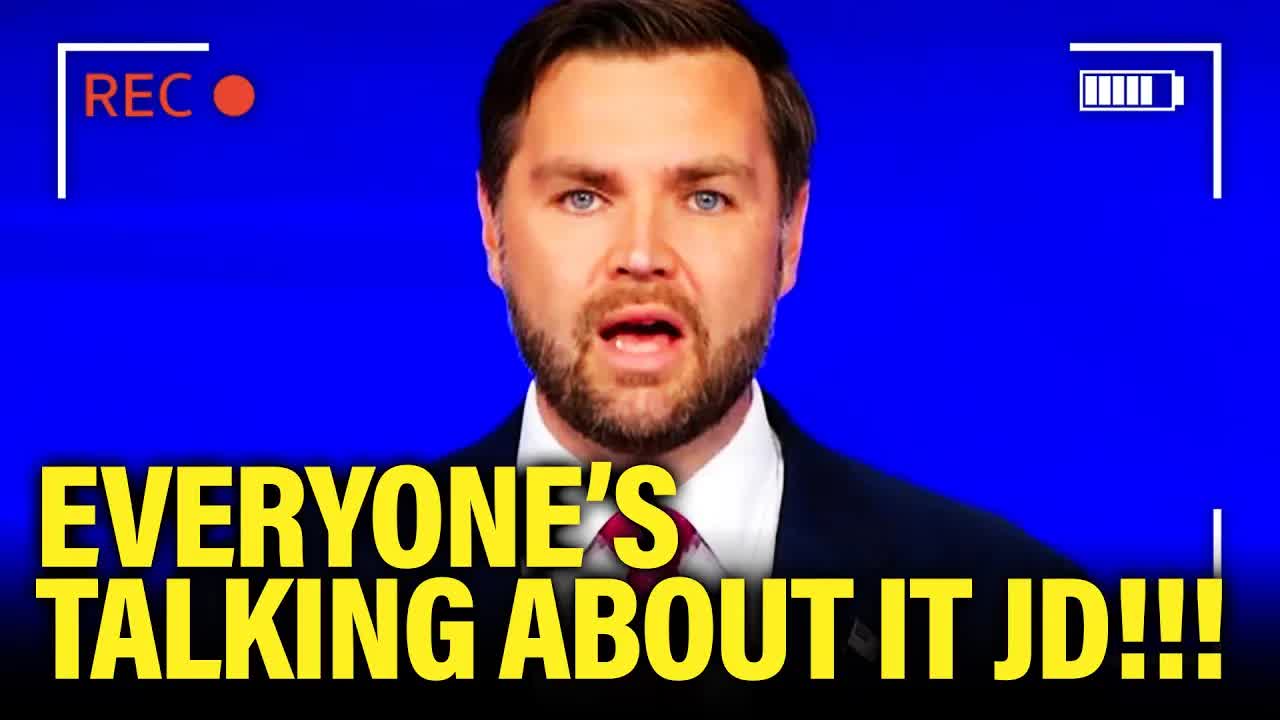
The recent vice presidential debate on CBS between Governor Tim Walz and Senator J.D.
Vance was a grueling experience, leaving many viewers questioning the value of such televised confrontations.
As the debate unfolded, it became clear that the format often prioritizes entertainment over genuine discourse, reducing complex issues to mere soundbites.
The discussion quickly veered into familiar territory—border policies, immigration, and the ongoing opioid crisis—yet lacked the depth and engagement necessary to truly inform the audience.
Vance’s insistence on reinstating Donald Trump’s controversial border policies, including building a wall and ramping up deportations, dominated the conversation.
He highlighted the presence of millions of undocumented immigrants in the country but failed to address the broader implications of his proposals.
While he pointed to a decrease in opioid deaths, claiming a 30% reduction in Ohio, the debate did little to explore effective solutions to the ongoing crisis.
Instead, it felt like a rehash of talking points rather than a meaningful exchange of ideas.
Many viewers, including myself, went into this debate with low expectations, and those were unfortunately met.
I had hoped to see Walz emerge as a strong contender, but his performance fell flat.
Even before the debate began, I expressed my skepticism, noting that Vance often brings a circus-like atmosphere to political discussions.
The pre-show analysis was equally disappointing, lacking the depth and seriousness one would expect from seasoned journalists.
As the debate commenced, it became evident that Walz had been overly coached.
Known for his approachable style, he came off as stiff and rehearsed, a stark contrast to his usual demeanor.
Vance, on the other hand, seemed to thrive in the spotlight, effortlessly weaving personal anecdotes into his responses, even when they strayed far from the questions posed.
This tendency to pivot the conversation towards his own narrative left many viewers feeling bewildered and frustrated.
The moderators struggled to maintain control, leading to a disjointed flow that hindered any real dialogue.
At times, it felt as if the candidates were merely reading from scripts rather than engaging in a substantive debate.
Vance’s frequent interruptions and vague responses further muddied the waters, making it difficult for Walz to counter his assertions effectively.
It was a missed opportunity for Walz to challenge Vance directly on his misleading statements.
As the debate progressed, I found myself more captivated by the moderators’ health than the actual content being discussed.
One moderator’s incessant coughing was distracting, and I couldn’t help but wonder why two moderators were necessary in the first place.
In the UK, such a setup is virtually unheard of, and it certainly detracted from the debate’s overall coherence.
The issues at stake were significant, yet they were often overshadowed by the candidates’ personal dynamics.
Vance’s portrayal of himself as a moderate was troubling, especially given his far-right affiliations.
Meanwhile, Walz’s reluctance to aggressively challenge Vance’s claims left a void that should have been filled with a robust defense of democratic values and accountability.
Throughout the debate, Walz seemed hesitant to assert his position, frequently agreeing with Vance on various points.
This approach not only diluted his message but also created an impression of complacency.
In a political landscape marked by stark divisions, finding common ground with someone like Vance is not just unwise; it’s politically perilous.
The discussion on pressing topics like gun violence and climate change further illustrated the lack of urgency in Walz’s responses.
His failure to decisively counter Vance’s denial of climate change and to advocate for a stronger stance against gun violence raised concerns about his readiness to tackle the challenges ahead.
If he couldn’t effectively argue these critical points, what hope was there for addressing the broader threats facing our democracy?
As the debate drew to a close, I was left with a sense of disappointment.
While Walz has the potential to be a compelling leader, he seemed constrained by the television format, which often favors flashy personalities over substantive policy discussions.
In contrast, Vance’s slick presentation masked the dangerous ideologies he represents, leaving viewers with a skewed perception of the political landscape.
Ultimately, the debate served as a reminder of the challenges candidates face in navigating the media environment.
It’s a high-pressure arena where authenticity can get lost in the pursuit of ratings and spectacle.
For Walz, this debate was not just an opportunity to showcase his policies but a crucial moment to assert his identity as a national leader.
Unfortunately, he missed the mark.
As we reflect on the outcomes of this debate, it’s essential to remember that voters are looking for more than just polished performances.
They want honesty, clarity, and a commitment to addressing the issues that matter most.
The stakes are high, and as we move closer to the election, the need for candidates who can rise above the noise and engage meaningfully with the electorate has never been more critical.
Read more
