







In the heart of New York City, as world leaders converged for the annual United Nations General Assembly, a different kind of urgency was unfolding back in Lebanon.
On Monday, the nation experienced its deadliest day in decades, with numerous civilian casualties and injuries that sent shockwaves throughout the region.
The UN Secretary-General delivered a somber address, stating, “Hell is breaking loose in Lebanon,” urging global leaders to heed the alarming escalation of violence that has brought the country to the brink.
The situation escalated further when Israeli military leaders signaled preparations for a ground invasion of Lebanon.
Their directive was clear: troops were to enter enemy territory, targeting Hezbollah’s strongholds and dismantling their military infrastructure.
This announcement triggered a flurry of diplomatic activity in New York, where the United States, the United Kingdom, and the European Union rallied for an immediate ceasefire.
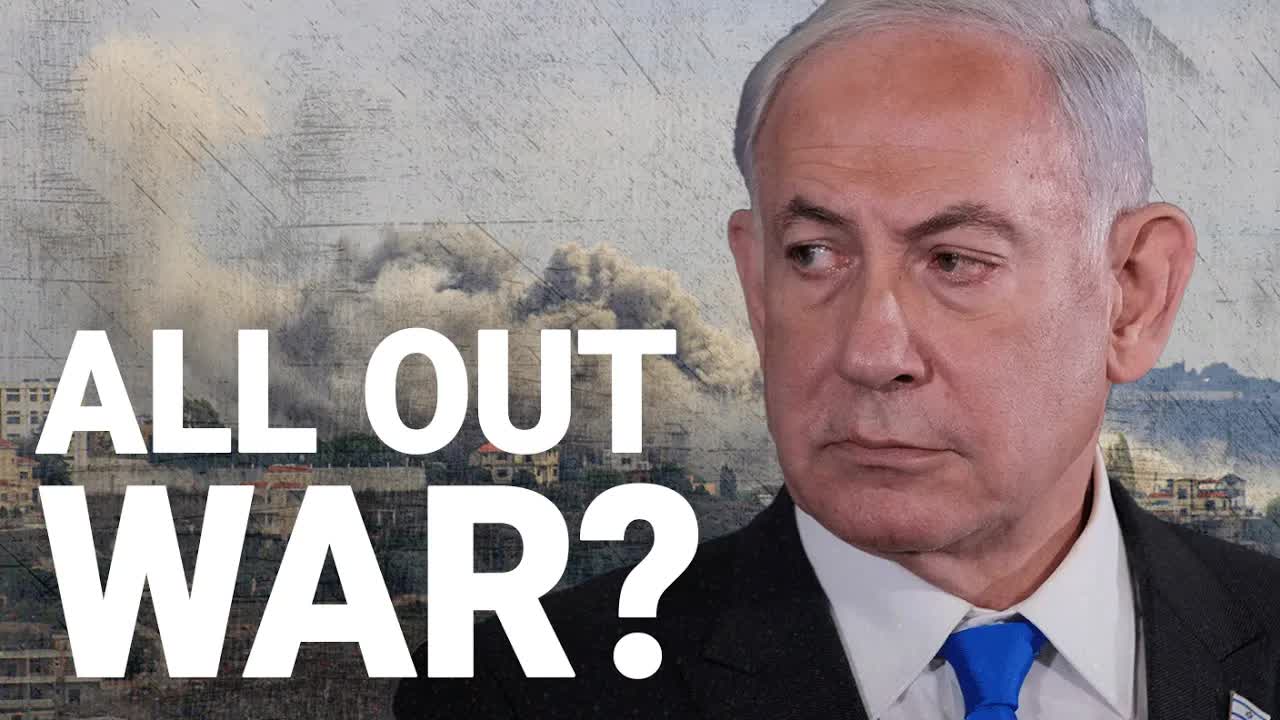
A proposed 21-day ceasefire along the Israeli-Lebanese border aimed to quell the fighting, but Israeli Prime Minister Benjamin Netanyahu dismissed these calls, instructing his forces to continue their operations unabated.
As the body count in Lebanon surpassed 600, many began to wonder if the Middle East was on the precipice of a wider conflict.
Oliver Marsden, a journalist with extensive experience in Beirut, painted a grim picture of the current atmosphere.
He reported an alarming uptick in Israeli airstrikes, leading to a mass exodus of civilians fleeing southward towards Beirut.
According to the International Organization for Migration, approximately 90,000 people have been displaced, seeking refuge in makeshift shelters set up in schools and community centers across the city.
In the midst of this turmoil, the Israeli military confirmed it had conducted another 75 airstrikes overnight, creating an atmosphere of palpable tension.
Residents of Beirut found themselves caught in a state of uncertainty, anxiously awaiting developments regarding the potential ground invasion.
Many expressed their fears about the possibility of all-out war, reflecting the anxiety that permeated daily life in the capital.
Looking back over the past year, Oliver noted how the ongoing conflict in Gaza had influenced the situation along the Lebanese border.
Since Hezbollah’s involvement on October 8th, in solidarity with Hamas, the violence had intensified.
For much of the year, life in Beirut felt relatively normal, even as southern Lebanon endured the brunt of the fighting.
However, recent events shattered this illusion, with the stark reality of war creeping closer to the city.
The atmosphere shifted dramatically when a series of explosions caused widespread panic.
The sudden detonation of pagers and walkie-talkies in crowded areas left dozens dead and many more injured, igniting fears of further violence.
Hospitals were quickly overwhelmed with casualties, highlighting the dire consequences of the escalating conflict.
As the airstrikes continued, the streets of Beirut bore witness to destruction and despair, with entire neighborhoods reduced to rubble.
The complex dynamics within Lebanon further complicate the situation.
The nation is deeply divided along religious lines, with varying opinions on Hezbollah’s role in the conflict.
While some view the group as a necessary defense against Israeli aggression, others express resentment towards its influence and the ongoing violence.
The spectrum of public sentiment ranges from support to outright opposition, reflecting the multifaceted nature of Lebanese society.
Rami Khouri, a veteran journalist, provided insight into Lebanon’s tumultuous history.
He described the country as both blessed and cursed—blessed with rich cultural heritage and natural beauty, yet cursed by a fractured political system that has struggled to achieve stability.
The rise of Hezbollah in the early 1980s emerged from a desire for protection against external threats, particularly following Israel’s invasion.
Over time, the group transitioned from a militia to a significant political force, wielding considerable influence over the country’s governance.
As tensions mount, the specter of war looms large, reminiscent of the devastating 2006 conflict.
Many in Beirut are preparing for the worst, stockpiling supplies and seeking refuge in safer areas.
The memories of past destruction weigh heavily on the minds of residents, fueling a sense of dread about what may come next.
Despite the dire circumstances, there remains a glimmer of hope for diplomacy.
Oliver emphasized that while the situation appears bleak, international pressure could play a crucial role in de-escalating tensions.
Many Lebanese citizens believe that the United States holds the key to influencing Israel’s actions and preventing a broader conflict.
However, skepticism persists, as the U.S. continues to provide military support to Israel while advocating for peace.
As the world watches closely, the fate of Lebanon hangs in the balance.
The intricate web of alliances, grievances, and aspirations that define the region will undoubtedly shape the coming days.
With each passing moment, the question remains: can diplomacy prevail, or are we witnessing the dawn of a new chapter in a long-standing cycle of violence?
Read more
