









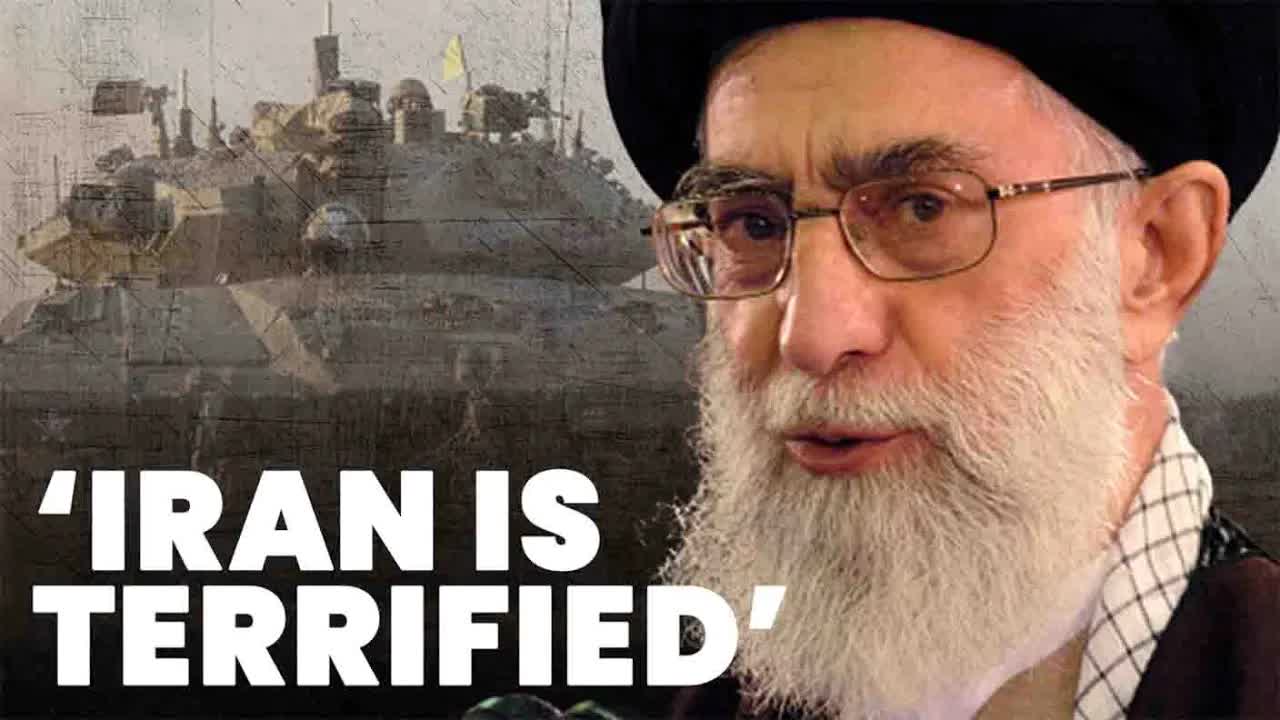
In the latest surge of military activity in the Middle East, Israel has launched airstrikes targeting Iranian missile manufacturing facilities and other military installations.
This operation comes amid heightened fears within Iran of domestic unrest and potential attacks from within, prompting the regime to assert its strength through propaganda.
The narrative being pushed is that while Israel has faltered, Iran has emerged victorious, but skepticism about this message seems to be growing among the Iranian populace.
The Pentagon confirmed that it was notified of the strikes in advance by Israeli officials, yet clarified that there was no American involvement in the operation.
This development raises questions about the nature of U.S.-Israeli cooperation and the implications for regional stability.
Former U.S. Deputy Assistant Secretary of Defense for the Middle East, Simone Leiden, shared insights on the situation, emphasizing the significance of Israel’s military response.
From the White House’s perspective, the Biden administration had advocated for a measured Israeli response, focusing specifically on military targets rather than critical infrastructure like nuclear or energy sites.
This strategic approach appears to align with the outcome of the recent strikes, which did not escalate to targeting such sensitive areas.
However, Leiden expressed concerns over whether the response was truly proportionate given the ongoing missile attacks Iran has directed at Israel.
Iran’s recent missile barrages against Israel, occurring in both April and October, highlight the escalating tensions.
While the airstrikes demonstrated Israel’s military capabilities, Leiden argued that they may not have been sufficient to establish a lasting deterrent against further Iranian aggression.
She noted that Iran’s air and missile defenses had been significantly weakened, leaving them vulnerable.
The conversation then shifted to what actions might be necessary to restore deterrence.
According to Leiden, Israel needs to dismantle Iran’s capacity to launch attacks and diminish its will to do so.
While Israel has made strides against groups like Hamas and Hezbollah, Iran still possesses substantial resources from its oil and gas trades, allowing it to maintain operational capabilities.
Looking ahead, the potential for retaliation looms large.
Iran could leverage its various proxies to strike back at Israel without direct involvement from its regime.
The threat of drone operations from locations like Iraq and Lebanon remains a significant concern, as does the presence of Hezbollah and Iranian forces in Syria, which are equipped with missile and drone capabilities.
Interestingly, Iranian media has been downplaying the impact of the recent strikes, possibly indicating that Israel achieved its objectives.
This could suggest a shift in the Iranian regime’s strategy, as they appear wary of provoking further conflict.
Nevertheless, the historical pattern of Iran using proxies to engage in asymmetric warfare complicates the situation.
The Iranian government seems particularly anxious about domestic stability, fearing unrest that could arise from dissatisfaction with the regime.
In response, they are attempting to project strength and resilience, insisting that they are in control and downplaying the effectiveness of the Israeli strikes.
However, the credibility of this messaging is questionable, as many Iranians may no longer buy into the regime’s propaganda.
Leiden highlighted that the Iranian leadership’s current messaging is primarily aimed at its domestic audience, seeking to quell dissent rather than genuinely address the realities of their military position.
The fear of internal challenges is palpable, prompting the regime to suppress any narratives that could undermine their authority.
As for the international response, both the U.S. and the U.K. have been urging Israel to exercise restraint.
The fact that Israel appears to have heeded these calls by avoiding strikes on nuclear facilities is noteworthy.
It reflects a delicate balance that Israel is trying to maintain while navigating pressure from its allies and its own security concerns.
In this intricate geopolitical landscape, the stakes remain high.
The interplay between military action, domestic politics, and international diplomacy continues to shape the dynamics in the region.
With each move, the potential for escalation looms, and the world watches closely as the situation unfolds.
Read more
