









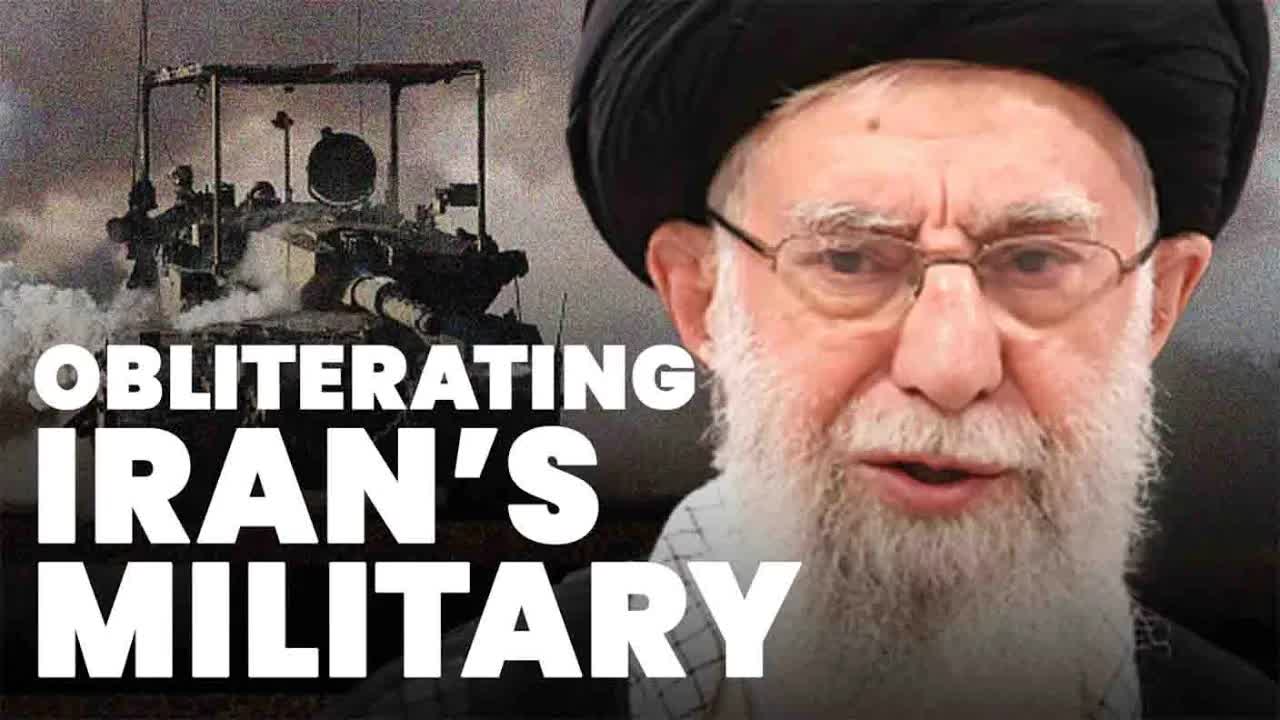
Israel’s anticipated response to a barrage of Iranian ballistic missiles has hit a snag, prompting speculation about the next moves in this escalating conflict.
Following the leak of sensitive military details from the United States last week, Israeli officials are now treading carefully.
The leaked information unveiled Israel’s plans to retaliate after nearly 200 Iranian missiles were launched against it earlier this month, a reaction to Israel’s assaults on Iranian-supported groups across the region.
As discussions regarding a potential ceasefire in Gaza and hostage negotiations are set to recommence in Qatar, the situation becomes increasingly complex.
Former U.S.
Colonel Cedric Leighton, now a military analyst for CNN, shared insights into the current dynamics.
He emphasized that the delay in Israel’s retaliation stems from multiple factors, including logistical considerations and strategic recalibrations.
Leighton pointed out that Israel is currently assessing which military assets to deploy and determining the most effective targets.
This careful planning reflects a desire to maximize impact while minimizing escalation.
The Israeli government appears intent on avoiding major provocations that could lead to a broader conflict with Iran, particularly concerning nuclear facilities and oil infrastructure.
Critics may wonder what Israel hopes to achieve if it refrains from striking critical targets.
Leighton suggests that the Israeli strategy might focus on shipping lanes in the Persian Gulf or military installations along the coast and inland, such as airbases near Isfahan.
However, the specifics of these plans remain undisclosed, leaving room for speculation.
Recent reports indicate that the Islamic Revolutionary Guard Corps (IRGC) and its volunteer paramilitary forces, the Bazij, are likely candidates for any potential Israeli strikes.
Historically, these groups have demonstrated adaptability, often employing camouflage and dispersion tactics to mitigate damage during aerial assaults.
Their ability to survive previous strikes raises questions about the effectiveness of any future Israeli operations.
Meanwhile, the FBI and Pentagon are investigating the leak of classified information, but progress appears slow.
Various suspects have surfaced in online discussions, yet many lack credible connections to the leak.
Pentagon officials have indicated that they have yet to identify any definitive individuals responsible for the breach.
In a recent meeting with U.S. Secretary of State Antony Blinken, Israeli Prime Minister Benjamin Netanyahu highlighted the significance of a drone attack that targeted his residence.
He framed this incident as a pivotal moment, urging a stronger collaboration between Israel and the United States in countering Iranian influence.
However, the U.S. is wary of becoming embroiled in another Middle Eastern conflict and is striving to avoid escalation.
Netanyahu’s demands may include increased military support or expanded operational access for Israeli forces.
However, the response from the U.S. will likely be influenced by the reactions of regional Arab nations, which complicates the dynamics further.
Additionally, Iran’s growing ties with Russia were underscored during the recent BRICS meeting in Kazan, where Iran was one of 36 participating countries.
This relationship, bolstered by cooperation in various areas, including military support, signals that Iran is not isolated on the global stage.
Such alliances may affect Israel’s strategic calculations moving forward.
As both sides weigh their options, the potential for miscalculation looms large.
The evolving landscape of international relations, particularly between Iran, Russia, and other nations, could significantly influence Israel’s military strategy and objectives.
With tensions simmering and uncertainty prevailing, the world watches closely as Israel navigates this precarious situation.
The stakes are high, and the implications of each decision made in the coming days could reverberate throughout the region.
Read more
