









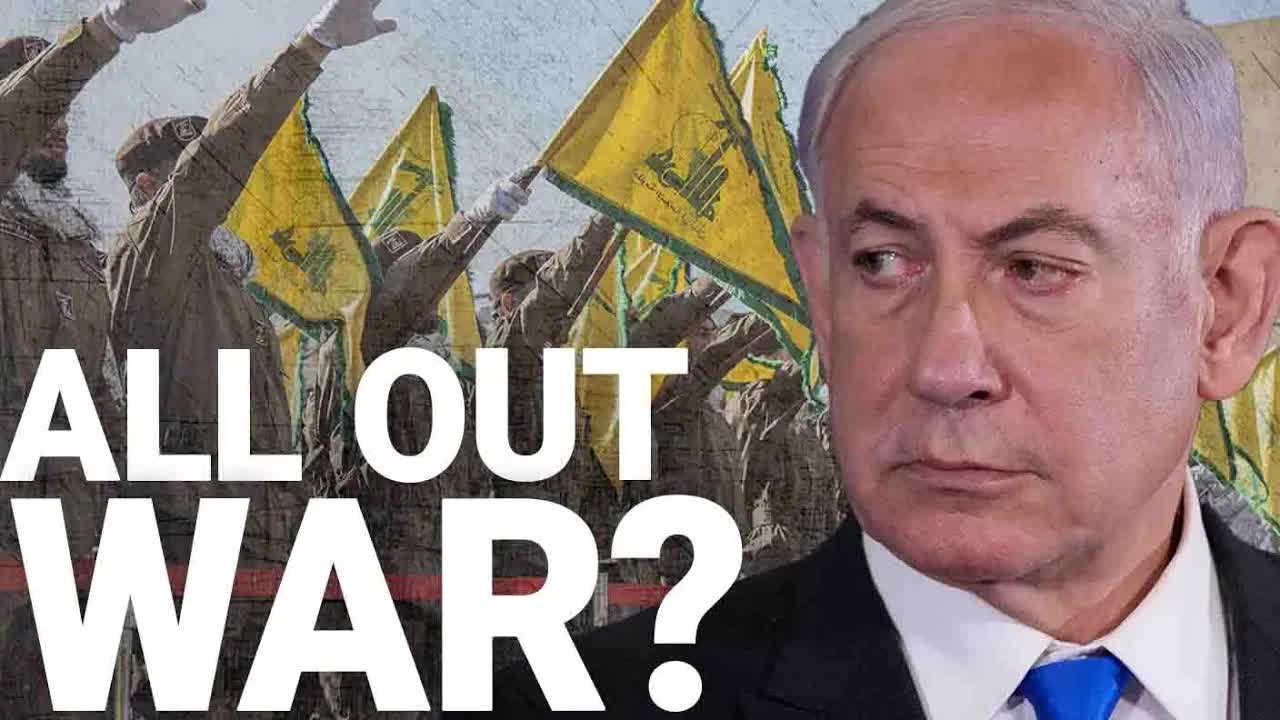
In a significant shift in military strategy, Israel is redirecting its resources and attention towards the north, amidst escalating tensions with Hezbollah.
This move comes on the heels of a dramatic escalation in violence that has left dozens dead and thousands injured.
On Wednesday evening, Israeli Defense Minister Yoav Galant addressed his troops, emphasizing the need for adaptation as the conflict enters a new phase.
He acknowledged that the situation has evolved beyond Hamas, indicating a broader regional threat that requires careful preparation.
For nearly a year, the spotlight has been on Gaza, where fierce battles have raged.
However, this conflict has also seen increased hostilities between Israel and Hezbollah, the Iranian-backed militant group based in Lebanon.
Recently, tensions erupted dramatically, culminating in two sophisticated attacks targeting Hezbollah’s communication systems.
The assaults resulted in multiple explosions, leaving a grim toll of 32 fatalities and over 3,000 injuries reported at the time of writing.
Hezbollah’s leadership has not remained silent in the face of these attacks.
Hassan Nasrallah, the group’s leader, condemned the incidents as “terrorist acts” and declared them a massacre against the Lebanese people.
He framed the assaults as a declaration of war, accusing Israel of perpetuating a long history of violence against Lebanon.
While Israel has refrained from officially commenting on the incidents, it has made clear that its focus is now shifting towards the northern border, signaling a potential escalation in military operations.
The timeline of events began with reports of simultaneous explosions across Lebanon, initially met with skepticism.
Many found it hard to believe that pagers, often seen as relics, could be the source of such destruction.
Yet, as footage surfaced, the reality became undeniable: an intelligence operation had targeted Hezbollah’s communication devices, leading to chaos and fear among its members.
The attacks were not isolated; they continued into the following day, with more explosions occurring during a funeral for victims of the initial blasts.
The second wave of attacks proved even deadlier, raising questions about the effectiveness of Hezbollah’s internal security measures.
The psychological impact of these events rippled through both Hezbollah’s ranks and the wider Lebanese public, instilling a deep sense of fear and uncertainty.
Interestingly, Hezbollah had opted for pagers over smartphones, believing them to be more secure against Israeli surveillance.
However, this decision backfired spectacularly when Israeli intelligence allegedly intercepted these devices, rigging them with explosives.
The origins of these pagers have come under scrutiny, with investigations revealing a tangled web involving a mysterious Hungarian consultancy that may have facilitated their delivery.
The immediate aftermath of these attacks has left hospitals overwhelmed with casualties, as ordinary citizens grapple with the pervasive fear of technology.
Reports of various electronic devices malfunctioning further exacerbated public anxiety, creating a palpable sense of dread among the population.
As Hezbollah faces significant losses, the group’s operational capabilities are undoubtedly compromised, raising concerns about their ability to communicate effectively in the lead-up to potential conflict.
Despite the turmoil, Hezbollah has resumed its military operations, continuing to launch rockets into Israel.
However, the recent losses and injuries within their ranks pose a substantial challenge to their effectiveness.
The group, traditionally known for its resilience, now finds itself navigating a precarious situation as it prepares for what could escalate into a full-blown war.
Israeli officials have indicated that they are ready to intensify military operations in Lebanon, potentially involving ground troops or extensive airstrikes.
This strategic pivot raises questions about the future of the conflict and whether it can remain contained.
The fear of a wider war looms large, as both sides appear to be preparing for a more aggressive confrontation.
The stakes are high, with Hezbollah possessing a formidable arsenal and a well-organized structure.
Unlike Hamas, which operates from a confined territory, Hezbollah has the capability to unleash a barrage of rockets that could overwhelm Israeli defenses.
The delicate balance of power is precarious, and the potential for miscalculation or escalation is ever-present.
As the situation unfolds, external powers such as the United States and Iran are closely monitoring developments.
While the U.S. seeks to avoid further escalation, Iran remains invested in supporting Hezbollah, complicating the dynamics of the conflict.
The geopolitical landscape is fraught with tension, and the ramifications of any military action could reverberate far beyond the immediate region.
In this volatile environment, the possibility of a larger conflict hangs in the balance.
Both Israel and Hezbollah must navigate their next moves carefully, as the consequences of missteps could lead to devastating outcomes for all involved.
The coming days and weeks will be critical in determining whether this latest chapter in the ongoing conflict will escalate or find a path toward de-escalation.
Read more
