




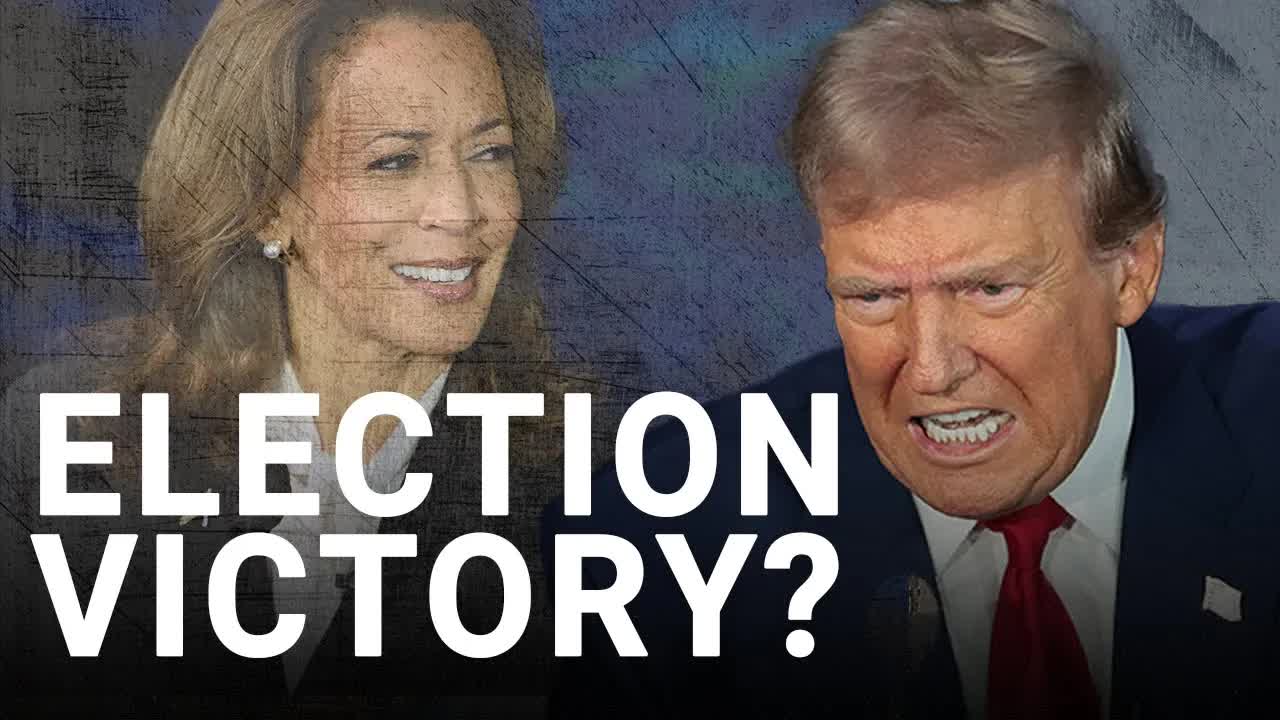
As the countdown to the 2024 U.S. presidential election continues, political analysts are honing in on key battlegrounds that could determine the outcome.
Among these, Pennsylvania emerges as a crucial player.
With less than two months to go, both major candidates—Vice President Kamala Harris and former President Donald Trump—are directing their attention to this pivotal state, along with others like Arizona and Georgia.
The stakes are high, and the race is tighter than ever.
The landscape of swing states can be divided into two distinct groups: the Northern states, which include Michigan, Wisconsin, and Pennsylvania, and the Southern states, featuring North Carolina, Georgia, Arizona, and Nevada.
The Northern states lean more Democratic, and if Harris were to secure victories in all three, plus an additional electoral vote from Nebraska, she could clinch the presidency.
This scenario underscores the importance of Pennsylvania, which currently stands as a battleground in a highly polarized political climate.
At a recent rally in North Carolina, Trump attempted to distance himself from the state’s Republican gubernatorial nominee, Mark Robinson, amidst controversy surrounding Robinson’s inflammatory remarks on social media.
Such controversies could complicate Trump’s campaign, but analysts suggest that they may not significantly impact his overall standing in the presidential race.
Voter sentiment about Trump appears largely established, meaning many have already made up their minds about him.
Nathaniel Rakich, Senior Editor and Elections Analyst at FiveThirtyEight, provides insight into the current polling landscape.
According to Rakich, the polls indicate a tightly contested race, with swing states like Pennsylvania, Arizona, and North Carolina remaining critical for both candidates.
Interestingly, a recent model suggested a mere 20% chance that Harris could win the popular vote while losing the electoral college—a scenario that has occurred in previous elections.
Understanding the mechanics of the electoral college is vital, especially in a country where each state essentially conducts its own presidential election.
While Harris currently leads in national polling by about two points, the electoral college remains uncertain due to razor-thin margins in swing states.
This unpredictability highlights the significance of voter turnout and engagement in the upcoming election.
When discussing the implications of Robinson’s controversial statements, Rakich notes that while they may create challenges for local Republican candidates, Trump’s established reputation in North Carolina might shield him from any significant fallout.
Voters may still support him despite concerns about his party’s gubernatorial candidate, especially if they align with his economic policies.
In terms of undecided voters, Rakich reveals that only about 5% to 10% of the electorate remains uncommitted, a stark contrast to past elections where a much larger percentage of voters were open to switching allegiances.
This shift indicates a more polarized electorate, making turnout even more crucial as both candidates gear up for the final push before Election Day.
Polling data suggests that turnout will play a significant role in determining the election’s outcome.
Younger voters and independents are often seen as critical demographics, but with fewer swing voters overall, mobilizing the base may prove more decisive.
Enthusiasm for voting appears high across the board, which could lead to increased participation from both sides.
As for which states to watch closely, Rakich emphasizes the importance of Pennsylvania.
He believes that the candidate who prevails in this state is likely to win the presidency.
Given its current polling dynamics, Pennsylvania stands out as a must-watch battleground that could tip the scales in favor of either candidate.
Post-debate polling indicates that Harris has gained some ground, particularly in Pennsylvania.
However, with more than six weeks until the election, the momentum could shift again.
The debate performances have certainly influenced public perception, but the question remains whether another debate would benefit either candidate.
Rakich suggests that while Harris has demonstrated strong debating skills, Trump may be hesitant to engage in further debates, especially given his current standing in the polls.
The absence of additional high-profile events could hinder Trump’s chances to shake things up, leaving him in a precarious position as he seeks to rally support.
In the rapidly approaching election, the focus remains on how these dynamics will unfold.
With Pennsylvania at the forefront, the battle for the presidency promises to be intense and closely watched.
As both candidates continue to navigate the complexities of their campaigns, the outcome may hinge on a few key moments and decisions in the coming weeks.
Read more
