








In a chilling reminder of the dangers lurking in the shadows of international intrigue, the inquiry into the tragic death of Dawn Sturgis has officially commenced, six long years after she was fatally poisoned.
This case is not just about one woman’s untimely demise; it’s a grim chapter in the ongoing saga of Russian espionage and the use of chemical weapons on foreign soil.
Dawn Sturgis lost her life after unknowingly applying a lethal nerve agent, Novichok, which had been cleverly disguised in a perfume bottle.
Her partner discovered the deadly substance discarded in a bin, leading to a series of events that would capture global attention.
This incident followed the notorious poisoning of former spy Sergei Skripal and his daughter Yulia, which occurred just three months prior, raising serious questions about the safety of those living in the UK.
The inquiry has unearthed shocking details, particularly the fact that Sturgis applied the poison without any knowledge of the peril it posed.
The toxic liquid, hidden within a seemingly innocuous container, highlights the sinister lengths to which perpetrators will go.
As the investigation unfolds, the public is left grappling with the reality of such calculated malice.
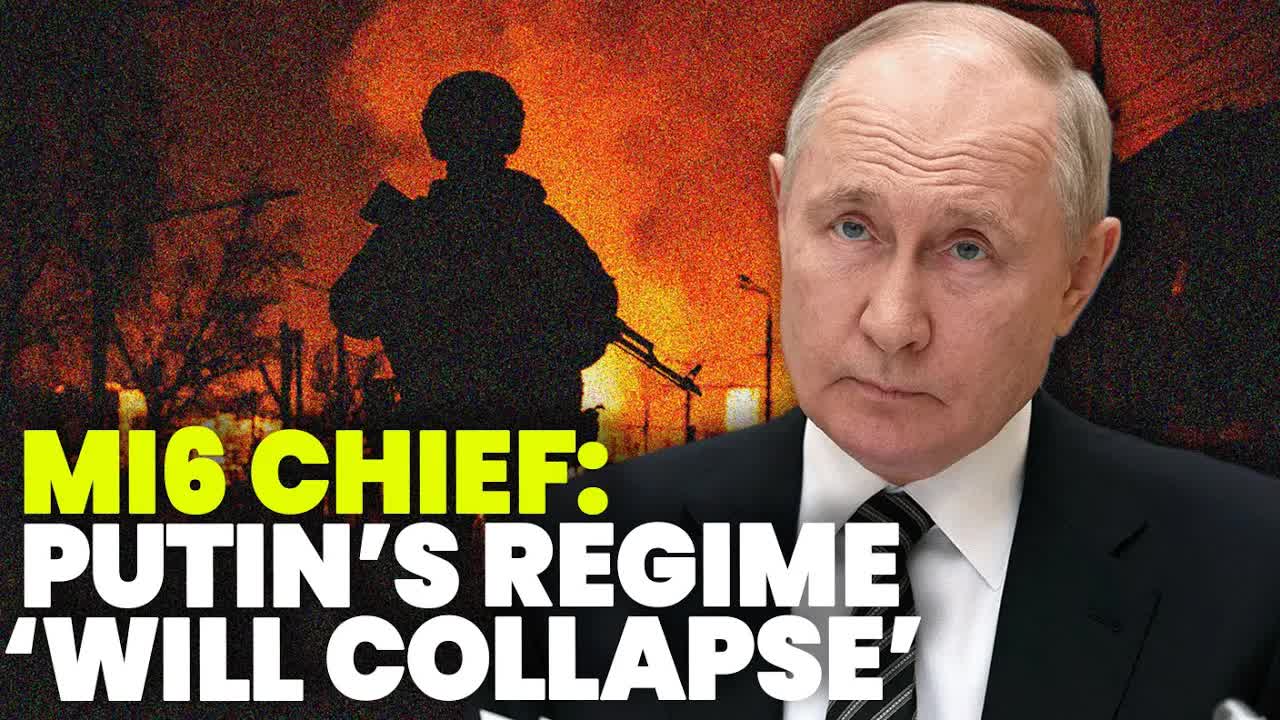
Christopher Steele, the former head of MI6’s Russia desk, provided insight into the gravity of this case.
He emphasized that while there have been previous inquiries into Sturgis’ death and the Skripal incident, the passage of time has complicated matters.
With over six years gone by, the question arises: why has it taken so long for this inquiry to materialize?
Steele pointed out that the inquiry’s focus on Sturgis is deliberate, hinting at the broader implications of the findings.
He speculated that Vladimir Putin could ultimately be held accountable, though the geopolitical ramifications of such a conclusion could be significant.
If the West is to engage with Russia moving forward, the results of this investigation may shape future interactions.
One of the most pressing issues is whether the inquiry will be conducted in public.
Given the sensitive nature of the evidence and the potential risks to witnesses, it seems likely that much of it will remain confidential.
The security services, in particular, may require anonymity to protect their identities and safety.
A central question looms over the proceedings: could Dawn Sturgis’ death have been prevented?
Steele argues that following the assassination of Alexander Litvinenko in 2006, stronger measures should have been implemented to deter Russian state-sponsored actions.
Yet, as history shows, these measures were insufficient, allowing for further tragedies like the Skripal attack and Sturgis’ death.
Reflecting on recent events, Steele noted the troubling exchange of prisoners involving an FSB assassin.
This transaction sends a clear message to operatives: even if caught, they can expect protection from the Kremlin.
Such dynamics only serve to embolden those engaged in espionage and covert operations abroad.
Intriguingly, the conversation turned to the possibility of Putin utilizing doubles.
Steele entertained the notion that it is entirely feasible for the Russian leader to employ lookalikes, especially during public engagements.
This tactic, reminiscent of old Soviet practices, serves to obscure his true whereabouts and shield him from potential threats.
The discussion also touched upon the expulsion of Russian diplomats following these incidents.
While some intelligence officers were removed from the UK, Steele indicated that many have simply been reassigned to less scrutinized locations in Europe, maintaining the risk of future incidents.
As the inquiry progresses, it becomes evident that the British government has struggled to adopt a robust stance against Russia.
Despite being one of the more assertive nations regarding Russian aggression, various interests have often tempered the response.
Economic ties and concerns for British citizens have historically played a role in shaping the government’s approach.
The naivety surrounding the Skripals’ situation raises eyebrows.
Their names were publicly listed, yet security measures appeared inadequate.
This oversight demonstrates a critical lapse in judgment, particularly given the stakes involved in international espionage.
Lastly, there remains a haunting uncertainty for Sturgis’ family.
The brutal circumstances of her death leave a void that may never be filled.
While justice seems elusive in the current climate, Steele suggests that the political landscape in Russia could shift dramatically, potentially offering a glimmer of hope for accountability in the future.
As we await further developments in this harrowing case, the implications are profound.
The shadows of deceit cast by state-sponsored actions remind us that the fight for justice is far from over.
Read more
