








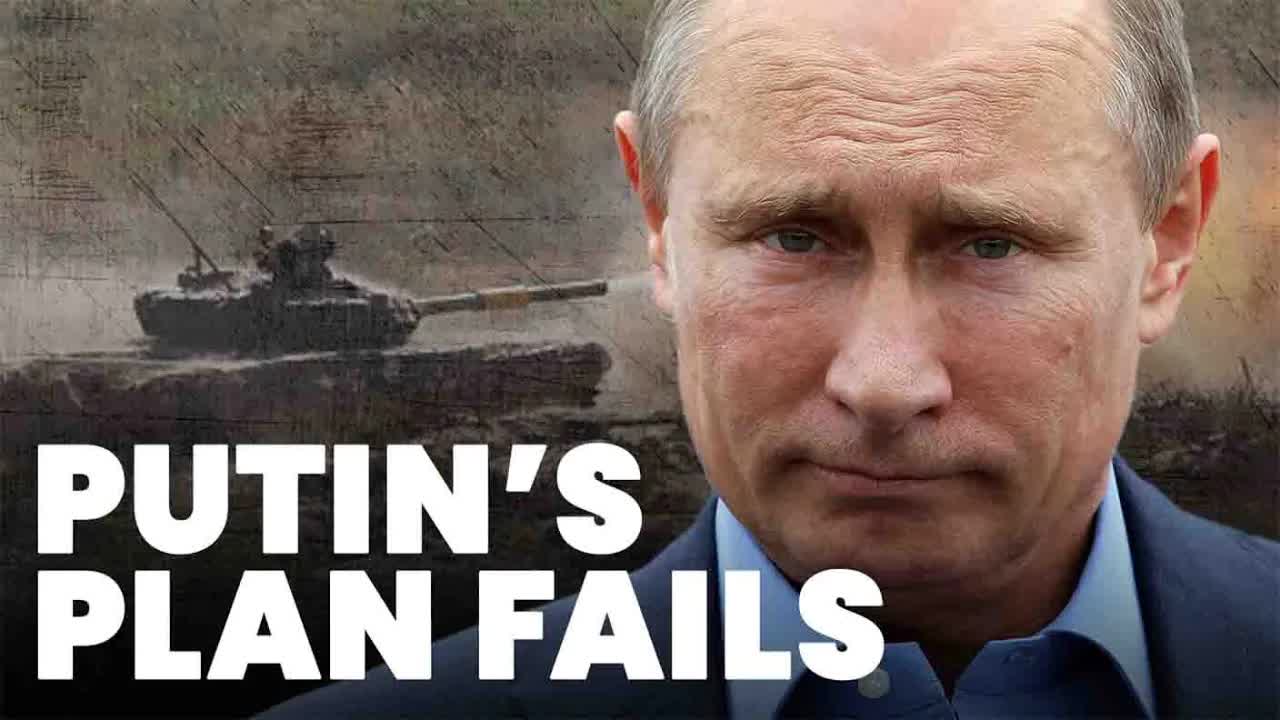
Recent assessments suggest that the likelihood of Russian forces capturing Pokrovsk by the year’s end is dwindling.
The pace of military operations in the region has notably slowed, indicating a shift in Russian strategy.
Rather than pushing directly into Pokrovsk, Russian troops appear to be focusing on creating a more advantageous battlefield layout.
This change signifies a tactical retreat from lateral advances, as they work to fortify their positions and expand their flanks.
This approach seems aimed at minimizing vulnerabilities against potential Ukrainian counterattacks in the future.
Turning our attention to Moldova, recent developments have sparked a significant political shift.
A referendum regarding the country’s potential membership in the European Union has narrowly passed, solidifying its constitutional commitment to join the bloc.
This move, however, has drawn ire from Russia, which opposes Moldova’s integration into Europe.
The implications of this referendum are profound, especially considering the ongoing geopolitical tensions in the region.
Moldova is poised to remain a focal point of contention for years to come.
Experts in Washington have expressed varying views on the situation, with some suggesting that Moldova’s path toward EU integration is practically assured.
However, this perspective overlooks the complexities of Moldovan politics and the myriad ways Russia could disrupt this trajectory.
The presence of Russian troops in the breakaway region of Transnistria further complicates matters, as they have been stationed there since the early 1990s.
Moreover, Russia is actively attempting to exploit political divisions within Moldova.
The autonomous region of Gagauzia is seen as a potential tool for Moscow to exert influence and undermine pro-European sentiments.
Additionally, the nuances surrounding judicial appointments in Moldova’s constitutional court present further opportunities for Russian interference.
As parliamentary elections loom, the landscape remains fraught with uncertainty, providing Russia with multiple avenues to thwart Moldova’s aspirations for EU membership.
While the recent referendum represents a triumph for Moldova, the road ahead is anything but guaranteed.
Historical parallels can be drawn to Russia’s intervention in Ukraine in 2014, when Moscow sought to derail that nation’s European integration efforts.
Currently, Russia’s capacity to meddle in Moldova is somewhat restrained due to its ongoing conflict in Ukraine.
However, should hostilities cease, the Kremlin may quickly redirect its attention to Moldova and other neighboring countries.
As we shift focus back to the front lines of the conflict, the dynamics of military operations continue to evolve.
In northern regions like Kursk, Russian forces initiated a counteroffensive in early October, prompting Ukrainian forces to bolster their defenses.
The situation remains fluid, with both sides vying for control over contested territories.
While Russian claims suggest they have regained significant ground, verifying these reports is challenging amid the chaos of war.
Further to the east, in the Kupinsk area, the situation has deteriorated.
Ukrainian officials recently announced mandatory evacuations for civilians as Russian forces advance toward the Oskill River, effectively splitting Ukrainian-held territories.
The urgency to secure territory is heightened as weather conditions worsen, signaling the onset of mud season, which complicates military operations.
In the southern regions, particularly around Bakhmut and Toretsk, the fighting remains intense but complex.
Urban warfare is prevalent, with Russian and Ukrainian forces often occupying the same buildings, leading to a chaotic battleground.
The outcome in Toretsk remains uncertain, as the potential for a prolonged and bloody conflict looms large.
As we look toward Pokrovsk, the current trend suggests that Russian forces will likely not capture the city this year.
Their tactics have shifted towards consolidating their positions rather than aggressive advances.
Meanwhile, the southern front line, particularly between Donetsk and Zaporizhia, has seen a resurgence of minor combat operations, although overall activity remains low.
Lastly, in the Kherson region, the situation appears stagnant.
While Russia claims to have recaptured several islands in the Dnipro River delta, the strategic balance remains largely unchanged, with both sides maintaining their respective territories.
The ongoing skirmishes reflect the complexities of the conflict, where small-scale engagements can have significant implications.
As the situation unfolds, the interplay between military strategies and geopolitical maneuvers continues to shape the landscape of this conflict.
The next few months will be critical in determining the future of not only Ukraine but also Moldova and the broader region.
The stakes are high, and all eyes are on the evolving dynamics of power and influence.
Read more
