









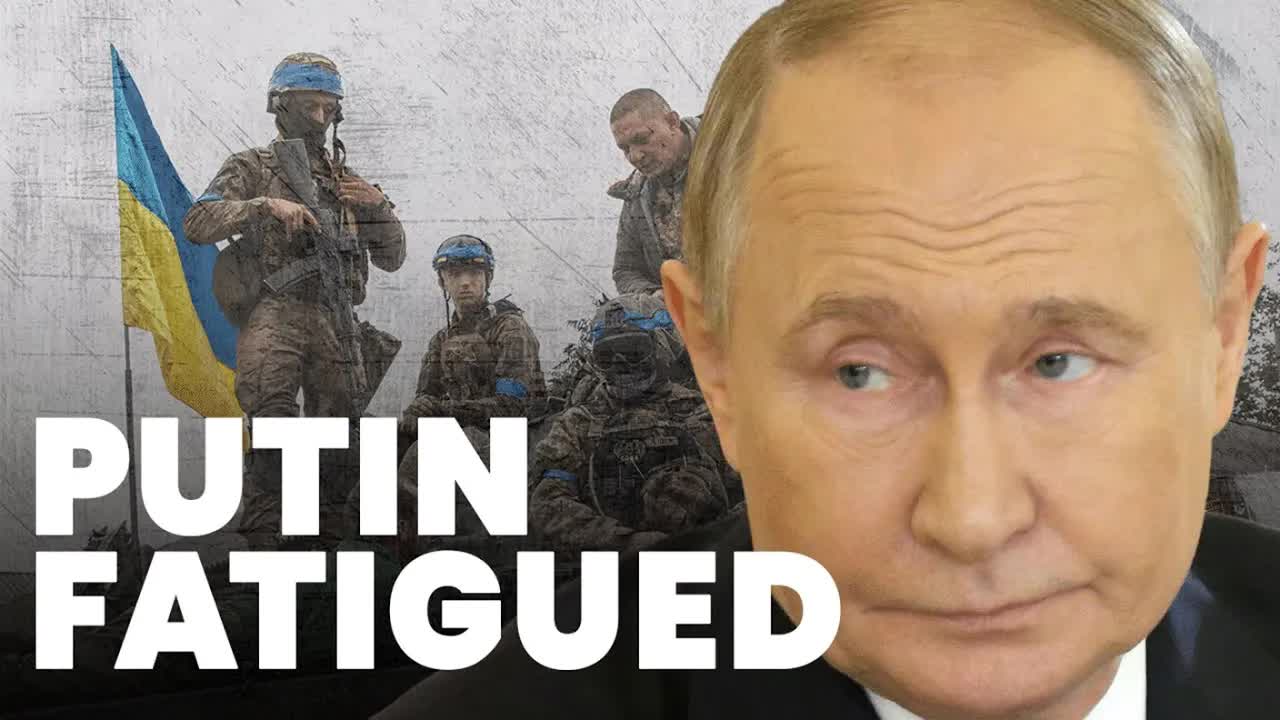
As the conflict in Ukraine rages on, Russia finds itself incurring heavy losses while making only minimal territorial advancements.
This situation is becoming increasingly dire for both sides, as Ukraine aims to fortify its defenses and prepare for a significant counter-offensive in the coming year.
Matthew Saville, Director of Military Sciences at the Royal United Services Institute, shares insights on the evolving dynamics of military support and training for Ukraine.
The prospect of British military trainers operating within Ukraine has emerged as a pivotal topic.
Saville emphasizes that this move would not only signal robust support from the UK but also marks a significant escalation in assistance.
While some training initiatives are already underway, the proposed expansion into a comprehensive infantry training program is a game changer.
This larger-scale effort could greatly enhance the capabilities of Ukrainian forces on the ground.
The implications of such a training initiative extend beyond Ukraine’s borders.
Saville notes that branding this operation as a bilateral arrangement could pave the way for involvement from other nations.
However, it’s crucial to avoid framing it as a NATO operation, as this could escalate tensions with Russia.
The delicate balance of international support hinges on how these efforts are perceived globally, especially among NATO allies and the United States.
The stakes are high, as any direct involvement of NATO forces could provoke a severe response from Russia, potentially triggering a broader conflict.
Saville highlights that while NATO’s Article 5 provides a framework for collective defense, it has geographic limitations that could complicate matters if forces operate outside member states.
The narrative surrounding international support for Ukraine is critical, particularly as the country navigates a challenging period.
An accelerated training program could yield significant benefits.
By conducting training directly in Ukraine, there would be less downtime for personnel who would otherwise need to travel abroad.
This could also encourage more recruits to participate in training, addressing the ongoing mobilization challenges Ukraine faces.
The ability to rapidly enhance military readiness is essential as the conflict continues to evolve.
Supporters of Ukraine argue that Vladimir Putin has maneuvered too freely without facing serious consequences.
They contend that it’s time to challenge his aggressive posturing, particularly regarding nuclear threats.
The notion that NATO could engage, even indirectly, might compel Putin to reconsider his approach and seek a resolution to the conflict.
Saville expresses caution about directly associating NATO with the training efforts, suggesting that demonstrating commitment without a NATO flag could be sufficient.
He acknowledges the risks involved, including the possibility of Russian missile strikes targeting training sites.
Yet, he believes that showing solidarity and support for Ukraine could deter Russia’s strategy of attrition.
The current landscape reveals an ongoing struggle for President Zelensky as he seeks to maintain robust international backing.
While European leaders publicly affirm their commitment to Ukraine, underlying doubts and internal pressures could undermine this support.
The question remains: can Zelensky rely on his European allies to sustain the necessary level of assistance?
Saville indicates that while Europe has pledged substantial support, the actual delivery and integration of this aid into the battlefield remain inconsistent.
The urgency of the situation is palpable, as delays in U.S. support and mobilization issues within Ukraine hinder progress.
Without timely assistance, Ukraine’s ability to mount a successful counter-offensive is jeopardized.
As the American political landscape shifts, the implications for Ukraine’s support become even more pronounced.
The potential for a change in administration raises concerns about the sustainability of military aid.
While Europe currently offers significant assistance, the effectiveness of this support is contingent upon its timely execution and alignment with Ukraine’s needs.
In the realm of military resources, European nations have the capacity to provide substantial aid, yet they face challenges in translating commitments into action.
The goal of ramping up shell production to three million annually reflects the urgency of the situation, but achieving this target remains a work in progress.
Ultimately, the intricate web of international support, military training, and strategic decision-making will play a crucial role in shaping the future of Ukraine’s defense efforts.
As the conflict continues, the world watches closely, aware that the outcome could hinge on the delicate balance of power and resolve among global allies.
Read more
