





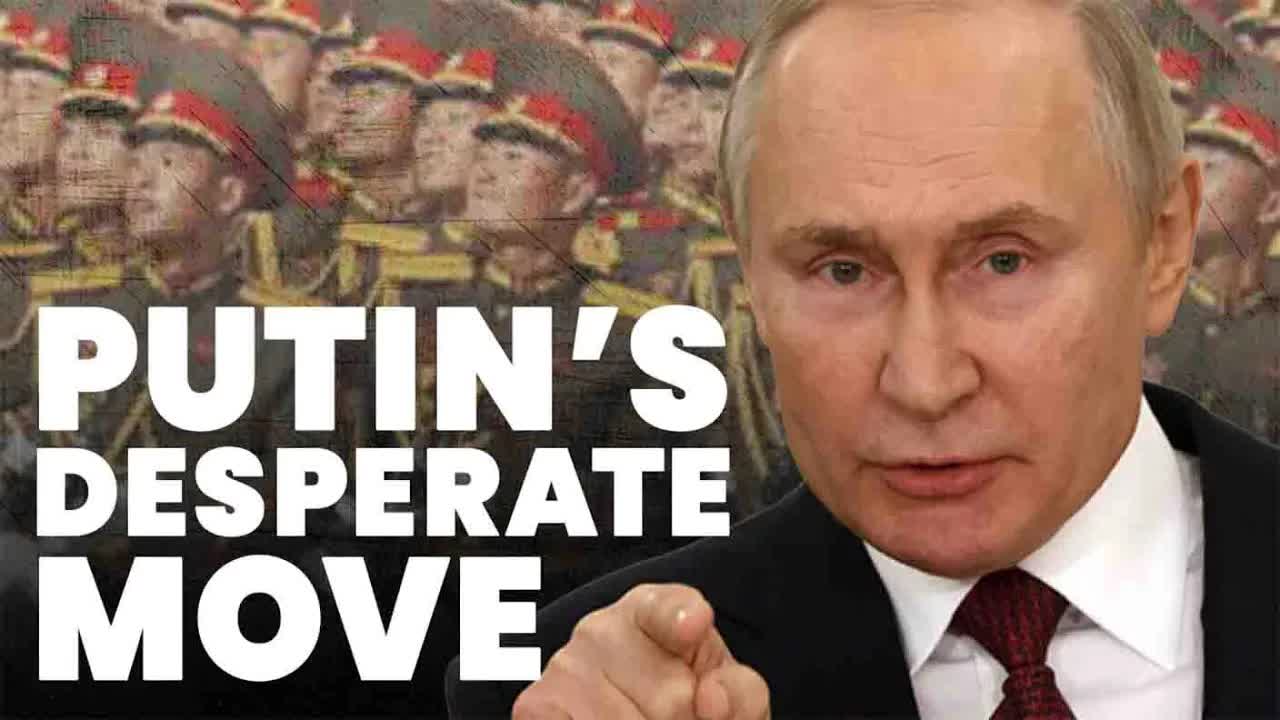
In a shocking development, North Korean troops have been dispatched to aid Russia in its ongoing conflict with Ukraine, signaling a troubling escalation in the war.
This move comes as NATO reveals staggering casualty figures, suggesting that more than 600,000 Russian soldiers have either been killed or injured since the onset of the invasion.
These numbers, corroborated by Pentagon assessments, highlight the severe toll that the war has taken on Russian forces, prompting President Putin to seek assistance from an unlikely ally.
Mark Rutte, NATO’s Secretary General, addressed journalists in Brussels, confirming the deployment of North Korean military personnel to the Kursk region.
This area has seen Ukraine reclaim a portion of territory previously held by Russia, making it a focal point of tension.
The involvement of North Korean troops not only escalates the conflict but also represents a blatant violation of United Nations Security Council resolutions, raising alarms about the broader implications for international security.
Geoffrey Price, a former special counsel at the U.S. Department of Defense, weighed in on the alarming casualty statistics.
He noted that while the Kremlin remains tight-lipped about the numbers, the reported figures align with the Pentagon’s estimates.
Price emphasized that these losses reflect the catastrophic consequences of Russia’s military ambitions, indicating that Putin’s strategy may be backfiring spectacularly.
The human cost of this conflict is staggering.
Both Russian and Ukrainian forces have suffered heavy casualties, but the true extent of Ukrainian losses remains shrouded in uncertainty.
The Ukrainian government has refrained from disclosing specific figures, likely due to the sensitive nature of the information.
However, it is clear that civilians have borne a significant brunt of the violence, with attacks on hospitals and residential areas leaving deep scars on the population.
As winter approaches, the situation becomes increasingly dire for Ukrainians, who face not only military threats but also the harsh realities of energy shortages.
Russian forces have systematically targeted Ukraine’s energy infrastructure, aiming to create unbearable living conditions for civilians.
This strategy underscores the ruthless nature of the conflict, where non-combatants are caught in the crossfire.
Price expressed skepticism about the notion that Ukrainian troop casualties could rival those of their Russian counterparts.
He pointed out a fundamental difference in how each side treats its soldiers.
While Russia appears willing to sacrifice vast numbers of troops in reckless assaults, Ukraine has shown greater care for its personnel, opting for strategies that prioritize their safety.
The confirmation of North Korean troop deployments raises critical questions about the motivations behind such a drastic measure.
Price characterized this as a clear indication of desperation on Putin’s part.
The Russian leader’s inability to muster sufficient combat power from within his own ranks has led him to seek support from a regime known for its isolationist policies and controversial military tactics.
The potential impact of North Korean troops on the battlefield remains uncertain.
Reports suggest that these soldiers may be more professionally trained than the hastily recruited forces Russia has utilized thus far.
If true, this could alter the dynamics of the conflict, particularly if North Korea’s involvement expands beyond mere support.
Moreover, the geopolitical ramifications of this alliance cannot be overlooked.
North Korea’s entry into the fray complicates the already tense situation, with implications for security in both the Indo-Pacific and Euro-Atlantic regions.
The collaboration between Russia and North Korea threatens to destabilize not just Ukraine but also the broader international order.
As the situation unfolds, NATO has called for an immediate cessation of hostilities from both Russia and North Korea.
The alliance recognizes that this deepening military cooperation poses a grave risk to global peace and security, and it is imperative that the international community responds decisively to these developments.
In a landscape where desperation drives decisions, the stakes have never been higher.
With over 600,000 Russian soldiers lost and the specter of North Korean involvement looming large, the conflict in Ukraine is evolving into a multifaceted crisis that demands urgent attention and action from world leaders.
The coming months will be crucial in determining the future of this war and the stability of the region.
Read more
