
There’s an undeniable buzz in the air as the election draws near, especially in Iowa, where the political landscape is heating up.
Recent polling has stirred the pot, with results that are anything but conventional.
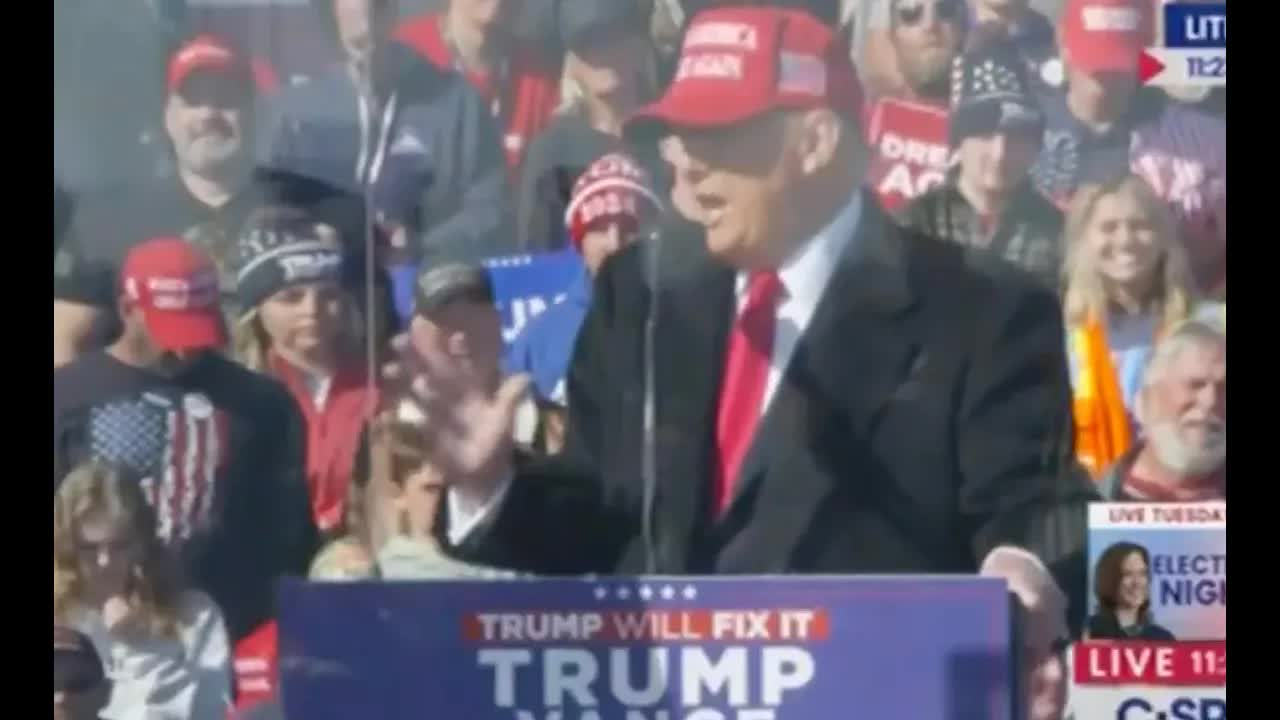
Amidst the noise, former President Donald Trump has been vocal about his disdain for a particular poll that shows Vice President Kamala Harris leading him by a slim margin.
His reaction?
A blend of disbelief and outrage, as he claims that such polls not only misrepresent the reality but also suppress Republican enthusiasm.
Trump’s commentary on the situation reveals a deeper concern about the integrity of polling methods.
He argues that the polls can be manipulated to paint a misleading picture, claiming that the media and pollsters have a vested interest in skewing results.
According to him, this manipulation is more damaging than the written word, suggesting that it can discourage voter turnout among his supporters.
It’s a classic case of the messenger being blamed for the message, a narrative he seems all too eager to embrace.
As Trump dismisses the Ann Seltzer poll that shows him trailing Harris, it’s worth examining the credibility of her polling history.
Matthew Klein from the Cook Political Report highlights Seltzer’s impressive track record.
Over the past decade, her predictions have been remarkably close to actual outcomes, with an average deviation of just 1.8%.
This accuracy raises eyebrows, making it difficult to simply write off her findings as an anomaly.
Yet, Trump’s assertion that the Seltzer poll is an outlier does hold some weight.
Many other polls present a more balanced view, suggesting that Harris’s lead is not as solid as it appears.
Nate Cohn from the New York Times offers insight into why pollsters might lean conservative in their estimates, stemming from the trauma of previous elections where they underestimated Trump’s support.
This fear of repeating past mistakes may lead them to adjust their methodologies in favor of Republicans, creating a skewed perception of the electoral landscape.
Interestingly, the dynamics in Iowa are shifting, particularly regarding women voters.
Ann Seltzer’s latest findings indicate a significant gender gap, with women favoring Harris over Trump by a wide margin.
This trend is particularly pronounced among older women, a demographic that has traditionally leaned Republican but is now showing strong support for Harris.
It seems that recent legislative changes, especially concerning abortion rights, have galvanized this group, making them more politically active than ever.
The implications of these shifts cannot be overstated.
As Iowa’s political climate evolves, it becomes clear that voters are responding to issues that directly affect their lives.
The six-week abortion ban in Iowa has sparked widespread discontent, prompting many to reconsider their allegiances.
In a state that once favored Obama, the current Republican stance on such matters could be backfiring, pushing voters toward Democratic candidates.
However, amid all this polling drama, it’s crucial to remember that numbers alone don’t win elections.
Voter turnout is what truly matters.
As the election date looms closer, both sides must rally their bases and ensure that supporters are informed and motivated to vote.
This isn’t just about statistics; it’s about real people and their voices being heard.
For those invested in this election, the call to action is clear.
Engage with friends and family, discuss the issues at stake, and encourage them to make plans for voting day.
Whether it’s through phone banking, canvassing neighborhoods, or simply having conversations about the importance of civic engagement, every effort counts.
The grassroots connections made now can have a lasting impact on the election outcome.
As the political landscape continues to shift, there’s a palpable sense of urgency.
The stakes are high, and the fight for fundamental rights—be it reproductive rights, LGBTQ+ rights, or environmental protections—hangs in the balance.
This election isn’t just about one candidate or another; it’s about the future of democracy itself.
With just days left until the polls open, the need for action is more pressing than ever.
The opportunity to influence change is within reach, and it’s up to voters to seize it.
As we navigate this tumultuous political terrain, let’s harness our collective power to ensure that the voices of the many are not drowned out by the rhetoric of the few.
In the end, it’s not just about how the polls look today but how many people actually show up to cast their votes.
So let’s get to work, spread the word, and make sure that when the dust settles, the results reflect the will of the people, not just the whims of a few.
The time to act is now, and the future is ours to shape.
Read more
