





In the current political landscape, discussions about policies often take a backseat to more pressing issues.
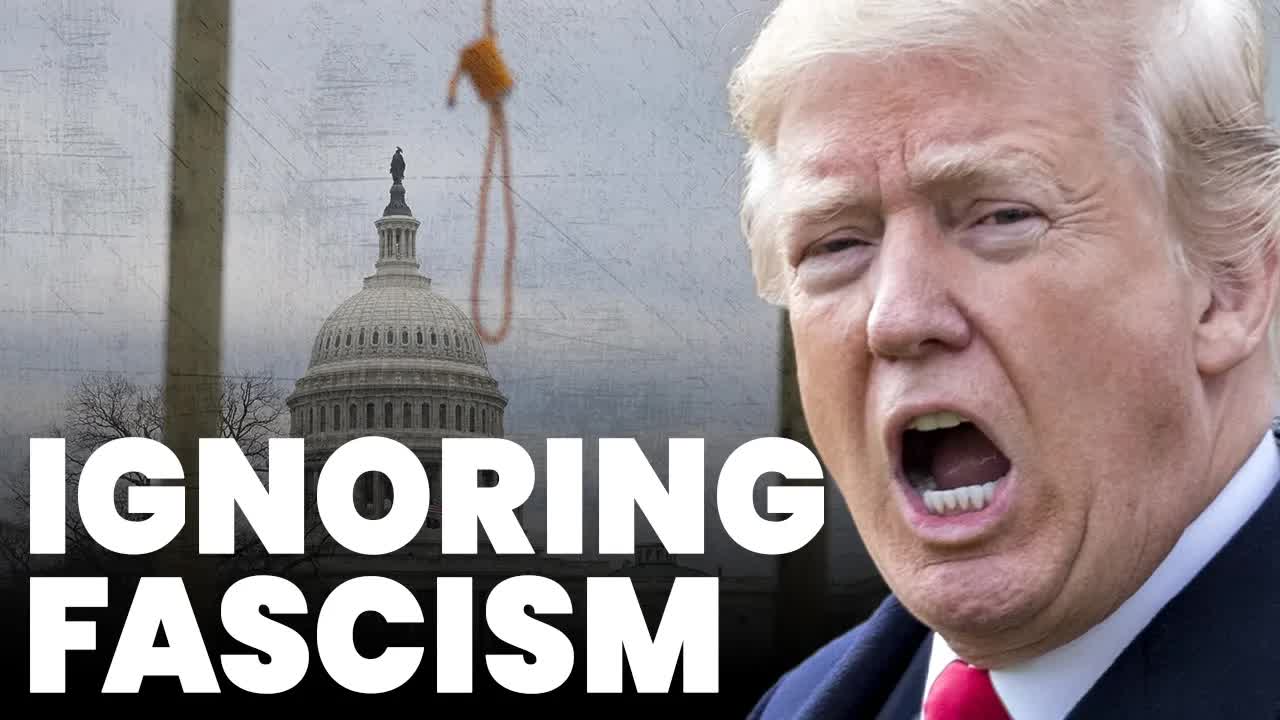
The nation is grappling with a troubling trend: calls for political violence that many believe jeopardize the very fabric of democracy.
This sentiment is echoed by former senior staffers of Donald Trump, including his ex-chief of staff, John Kelly, who have labeled the situation a crisis.
Despite the urgency of this message, it seems to be falling on deaf ears, particularly among voters who remain unmoved by these warnings.
As the election draws near, the stakes grow higher.
Recent polling from the Wall Street Journal indicates that Donald Trump holds a slim two-point lead over Kamala Harris nationally.
While this margin is within the error range, the reality is stark: Harris must secure a significant popular vote margin to ensure a majority in the electoral college.
Compounding her challenges, another poll from the Financial Times suggests that Trump has gained ground among voters regarding economic management—a critical issue for many.
To gain insight into the Republican perspective, we spoke with Nikki Beaver, political director of the National Federation of Republican Women.
When asked about the impact of John Kelly’s comments labeling Trump a fascist, she dismissed the notion that it would sway moderate or independent voters.
“People have called him worse,” she noted, asserting that Trump’s base remains steadfast and active.
Beaver emphasized that they are focused on mobilizing independent voters, despite claims that foreign interference—like British Labour Party staff campaigning for Harris—could be a distraction.
With only days left until the election, the question arises: how many voters are still on the fence?
Reports suggest that between 4% and 11% of the electorate remains undecided.
Beaver believes that the emphasis now lies on getting out the vote (GOTV) rather than swaying minds.
She expressed optimism about early voting numbers, indicating that if Republicans rally their supporters effectively, victory is within reach.
Shifting our focus to Georgia, a pivotal swing state, Beaver reported a palpable energy at a recent Trump rally, which drew over 13,000 attendees.
The atmosphere was electric, and she expressed confidence that the GOP’s efforts there would yield positive results.
With ongoing legal preparations to ensure a fair election, she feels that the momentum is stronger than in previous elections.
Meanwhile, the Democratic camp is also ramping up its efforts.
Nicole Brenner-Schmidt, a Democratic strategist, discussed the urgency within the Harris campaign as they navigate these final days.
She highlighted Harris’s proactive approach, engaging with voters through various media platforms, including podcasts and radio shows.
The Democrats are equally focused on ensuring their supporters cast their votes, particularly through early voting options.
Brenner-Schmidt pointed out that while early voting is crucial, the challenges of election day—unexpected events that can derail plans—underscore its importance.
She noted that Harris recently echoed Kelly’s concerns about Trump, calling him a fascist.
In past political climates, such statements might have caused a seismic shift in public opinion, yet now they seem to resonate less with the entrenched Republican base.
The crux of the matter lies in the unwavering loyalty of Trump’s supporters, who appear impervious to criticisms, regardless of their source.
Brenner-Schmidt lamented the normalization of incendiary rhetoric in politics, suggesting that the collective outrage once felt by the public has diminished.
Despite the gravity of the situation, many voters are still preoccupied with economic issues and personal freedoms, which they feel are under threat.
As the election approaches, both parties are acutely aware of the need to engage voters effectively.
For Democrats, the challenge remains in appealing to moderate Republicans and independent voters—particularly women who may be disenchanted by Trump’s policies.
Brenner-Schmidt noted a significant gender gap, with many women feeling disconnected from Trump’s agenda, especially regarding reproductive rights, which they view as integral to their autonomy.
Both parties are poised to scrutinize their voter bases post-election, seeking to understand who supported them and why.
The Democrats are particularly interested in improving communication about their policies that support workers’ rights and economic stability.
Meanwhile, Republicans will likely analyze their appeal to moderates, especially women, who hold substantial sway in elections.
As we stand on the precipice of what could be a defining moment for American democracy, the tension is palpable.
The outcomes of these elections will not only determine the next leader but will also shape the political discourse for years to come.
With both camps working tirelessly to secure their victories, the coming days will reveal just how deeply these issues resonate with the American electorate.
Read more
