



In a recent discussion with political analyst Larry Sabato, founder and director of the Center for Politics at the University of Virginia, the impact of the latest debate on polling was a focal point.
Sabato, who is known for his insights into electoral dynamics, shared his thoughts on the current political landscape and the challenges faced by candidates in this highly polarized environment.
Sabato began by acknowledging the unique nature of today’s electorate, which he described as one of the most polarized in modern American history.
He pointed out that despite Kamala Harris’s strong performance in the debate, it might not translate into significant polling gains.
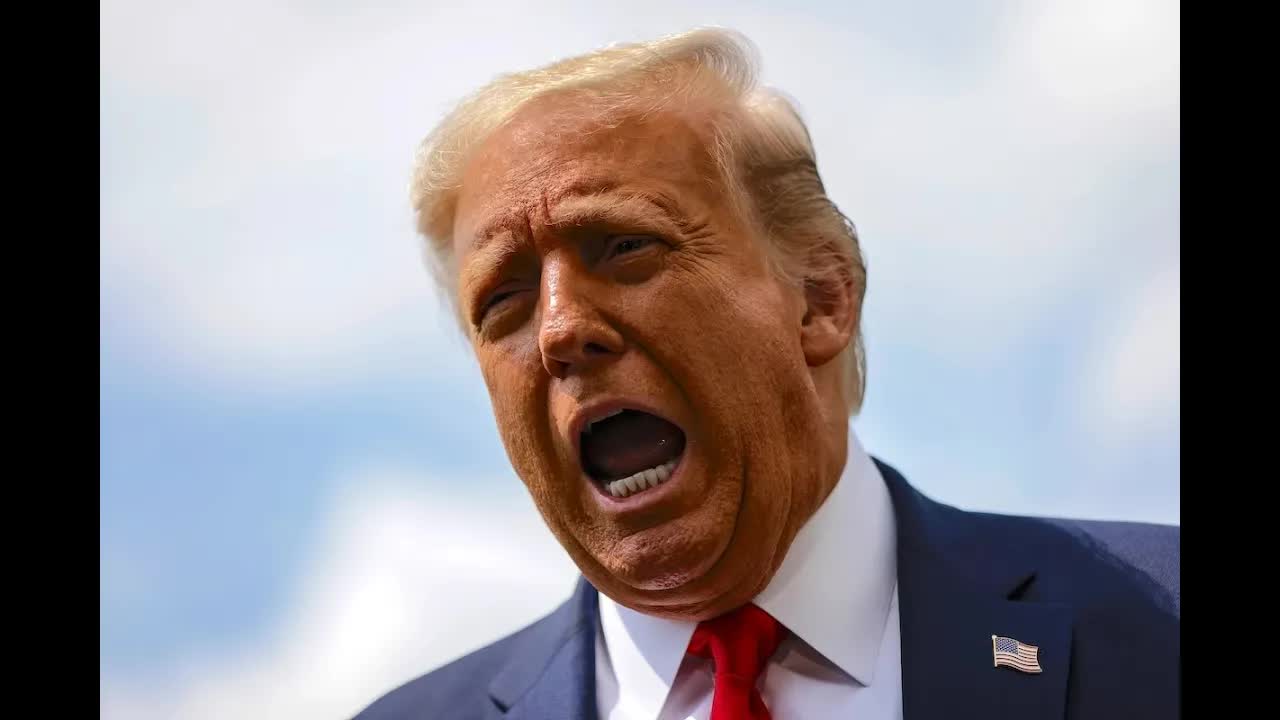
“In such a divided atmosphere, even an overwhelming debate win might only yield a bump of one or two points,” he noted, emphasizing how entrenched voters’ opinions have become, particularly regarding Donald Trump.
The analyst stressed that while many believe that a debate held in early September would have limited influence, the reality is that voting is already underway.
“People may forget details quickly, but they will remember key moments from the debate,” he explained.
This sentiment suggests that the impressions left by Harris and Trump during the debate could resonate with millions of voters as the election approaches.
Looking at the numbers, Sabato highlighted that Harris has taken the lead in several key states, including Wisconsin, Michigan, Pennsylvania, Nevada, and North Carolina.
However, he cautioned against placing too much faith in these close margins.
“Polling can be notoriously unreliable, and averages should be approached with skepticism,” he advised, recalling the historical context of elections where popular vote winners did not secure the presidency.
When asked about how polling affects his ratings at the Crystal Ball, Sabato reiterated that his team places less emphasis on polls than in the past.
He elaborated that polls can indicate whether a candidate is ahead or if the race is too close to call, but they often fail to capture the full picture.
“To truly gauge the margin of error, you should double the listed margin,” he remarked, underscoring the complexities inherent in polling data.
The conversation then shifted to the Morning Consult poll, which shows Harris leading in several battleground states while being tied in others.
Sabato expressed cautious optimism about the Harris campaign’s momentum but also acknowledged Trump’s substantial base of support.
“If rationality prevails among voters, Harris could maintain her lead,” he said, yet he noted the challenge of overcoming Trump’s entrenched popularity.
Sabato pointed out that being slightly ahead in the polls can energize a candidate’s supporters, while a comfortable lead might lead to complacency.
“When the race is tight, people are more likely to mobilize and contribute,” he stated, emphasizing the importance of maintaining a sense of urgency among voters.
As the discussion progressed, the focus turned to Florida, where recent polling indicates a potential shift in voter sentiment.
Sabato mentioned that while Florida has historically leaned Republican, the political landscape could be evolving.
“States are not static; they change over time, influenced by various factors,” he explained, suggesting that Florida’s competitive nature could present new opportunities for Democrats.
The conversation also touched on Senate races across the country, including the prospects for Democrats in Texas, Florida, and Missouri.
While acknowledging the challenges, Sabato remained hopeful about the possibility of surprises in these races.
“There’s often at least one unexpected outcome in every election cycle,” he said, illustrating the unpredictable nature of politics.
In a broader context, Sabato discussed how ballot measures, such as those concerning abortion rights, could influence voter turnout and preferences.
He indicated that while these issues might engage certain demographics, the impact on overall party loyalty remains complex.
“Voters often compartmentalize their choices,” he noted, highlighting the cognitive dissonance that can occur when individuals support candidates whose policies contradict their values.
Turning to the state of Montana, Sabato expressed concern for Democratic Senator Jon Tester, who faces a challenging re-election bid.
“The political landscape has shifted significantly, and it’s going to be tough for him,” he said, reflecting on the changing dynamics in traditionally independent states.
Finally, Sabato concluded with a reflection on the future of Texas politics, noting that while the state may not turn completely blue, it is likely to become more competitive.
“Texas is evolving, and while it may take time, the trends suggest that it will increasingly reflect a more balanced political landscape,” he observed, hinting at a potential shift in voter allegiance as the state grapples with its political identity.
This insightful exchange with Larry Sabato underscores the intricacies of the current electoral climate, reminding us that while polling data provides valuable insights, the unpredictable nature of politics means that anything can happen as we move closer to the election.
Read more
