








In recent discussions surrounding political violence in the United States, a notable conversation has emerged regarding the implications of incendiary rhetoric and its real-world consequences.
The Haitian immigrant community in Springfield has found itself at the center of this troubling narrative, facing threats and intimidation from radicalized groups.
Reports indicate that families are unable to send their children to school due to safety concerns, and local businesses have suffered property damage.
The situation has escalated to the point where even a Haitian newspaper has received threats, prompting calls for more dialogue with the affected community rather than with political leaders.
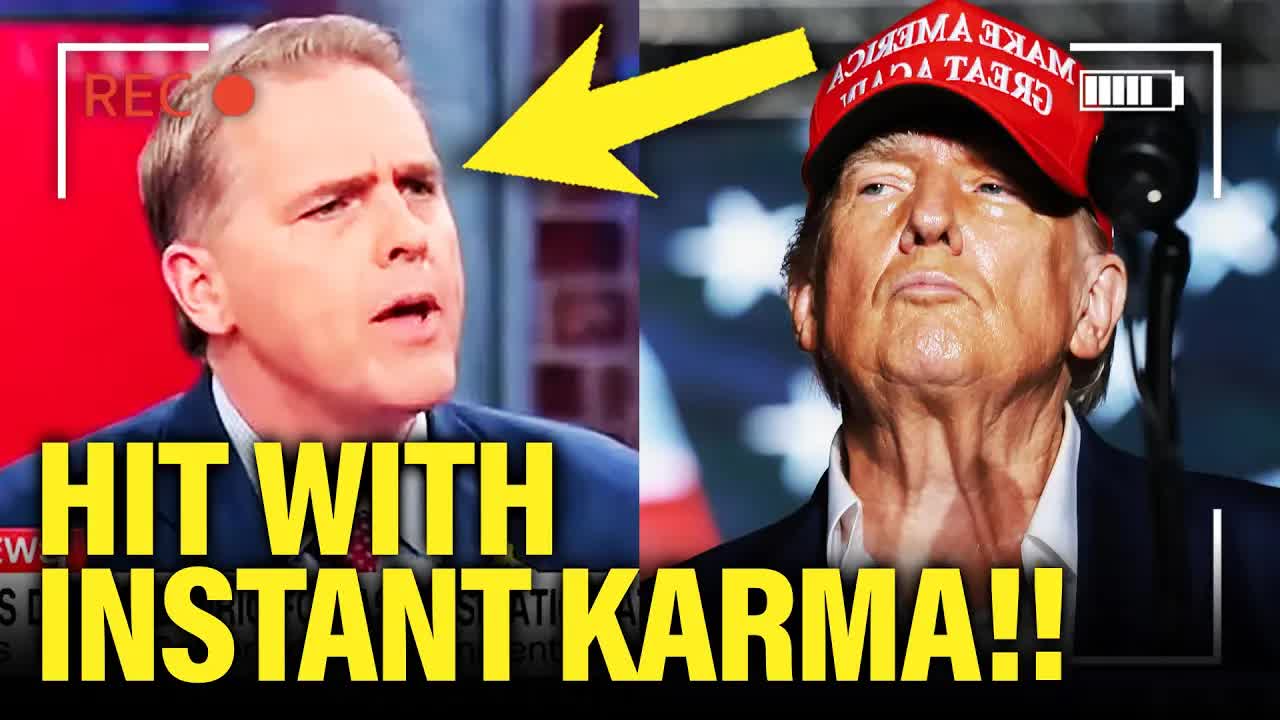
On CNN, Ben Ali-Mistal and Mike Sachs discussed the ramifications of the charged language used in political campaigns, particularly by figures like President Biden and Vice President Harris.
Ali-Mistal emphasized that for years, this type of rhetoric has been woven into the fabric of political discourse, creating an environment ripe for misunderstanding and hostility.
To address this, he suggested that those who perpetuate such narratives must publicly acknowledge their role in fostering division and clarify their statements.
The conversation then shifted to the Republican party’s predicament.
They find themselves supporting a figure like Donald Trump, whose history of violent rhetoric has been well-documented.
Critics argue that Trump’s language often incites fear among vulnerable communities, essentially encouraging acts of what some scholars term “stochastic terrorism.”
This term refers to the way misinformation can lead individuals to commit acts of violence against marginalized groups, all while believing they are acting in defense of their community.
As reports of violence linked to Trump’s rhetoric surface, the Republican party appears to be seeking sympathy for their candidate, who has now become a target of aggression.
However, this raises a crucial question: how can they expect to denounce political violence when they have actively participated in cultivating a toxic environment?
The inconsistency in their stance is glaring; they want to condemn violence directed at Trump while simultaneously benefitting from the very rhetoric that fuels hostility towards others.
The debate continued with Ali-Mistal asserting that the Democrats should not play nice anymore.
He insisted that the time for civility has passed, especially when faced with a party that thrives on misinformation and fear-mongering.
If Republicans choose to remain entrenched in their divisive tactics, they should be prepared for a robust response from those who value democracy and truth.
Mike Sachs echoed these sentiments, pointing out that the projection of anti-democratic behavior onto Democrats has become a common tactic for Trump and his allies.
When confronted about their own actions, they often deflect blame, creating a narrative that shifts the focus away from their responsibility.
This tactic only serves to muddy the waters further, complicating the already fraught discussion surrounding political violence.
Both commentators agreed that while political violence is unequivocally harmful, it is also strategically unwise.
Sachs highlighted the importance of allowing democracy to function as intended, emphasizing that Trump’s defeat must come through the electoral process, not through violence.
Making him a martyr would only bolster his support and undermine the very democratic principles they seek to uphold.
The dialogue underscored the necessity of protecting democratic values while navigating the perilous landscape of political discourse.
Sachs commended the Secret Service for their protective measures but stressed the need for vigilance in safeguarding all political figures, including Trump.
Their role is crucial, as the stakes are high; the survival of American democracy hinges on a fair electoral process.
Ultimately, the conversation revealed a stark divide in how political violence is perceived and addressed across party lines.
While there is a shared condemnation of violence, the underlying motivations and rhetoric continue to drive a wedge between opposing sides.
The challenge remains: how to foster a political climate that prioritizes dialogue over division and encourages accountability for words and actions alike.
As the nation grapples with these complex issues, the urgency for honest conversations about the impact of rhetoric on real lives has never been more pressing.
The Haitian community’s plight serves as a poignant reminder of the consequences that can arise from unchecked political discourse.
Moving forward, it will be essential for all parties to engage in meaningful dialogue that addresses the root causes of fear and violence, rather than merely responding to the symptoms.
In this charged political atmosphere, the call for unity and understanding stands in stark contrast to the divisive tactics that have become all too common.
The path ahead may be fraught with challenges, but it is one that must be navigated with care, empathy, and a commitment to the principles of democracy.
Read more
