









In a recent whirlwind of political discourse, accusations have surfaced regarding the alleged interference of the UK Labour Party in the upcoming US elections.
Deputy Prime Minister has firmly rejected these claims, asserting that her party is not meddling in American politics.
However, the Trump campaign is raising eyebrows, having filed a formal complaint following reports that members of Kamala Harris’s team were seen collaborating with Labour activists on the ground.
Angela Rayner stepped up during Prime Minister’s Questions, asserting that no wrongdoing has occurred.
She emphasized that individuals often engage in campaigning during their own time, an activity common across all political parties.
This assertion, however, does little to quell the concerns raised by Trump’s camp, which insists that the involvement of foreign activists could skew the electoral landscape.
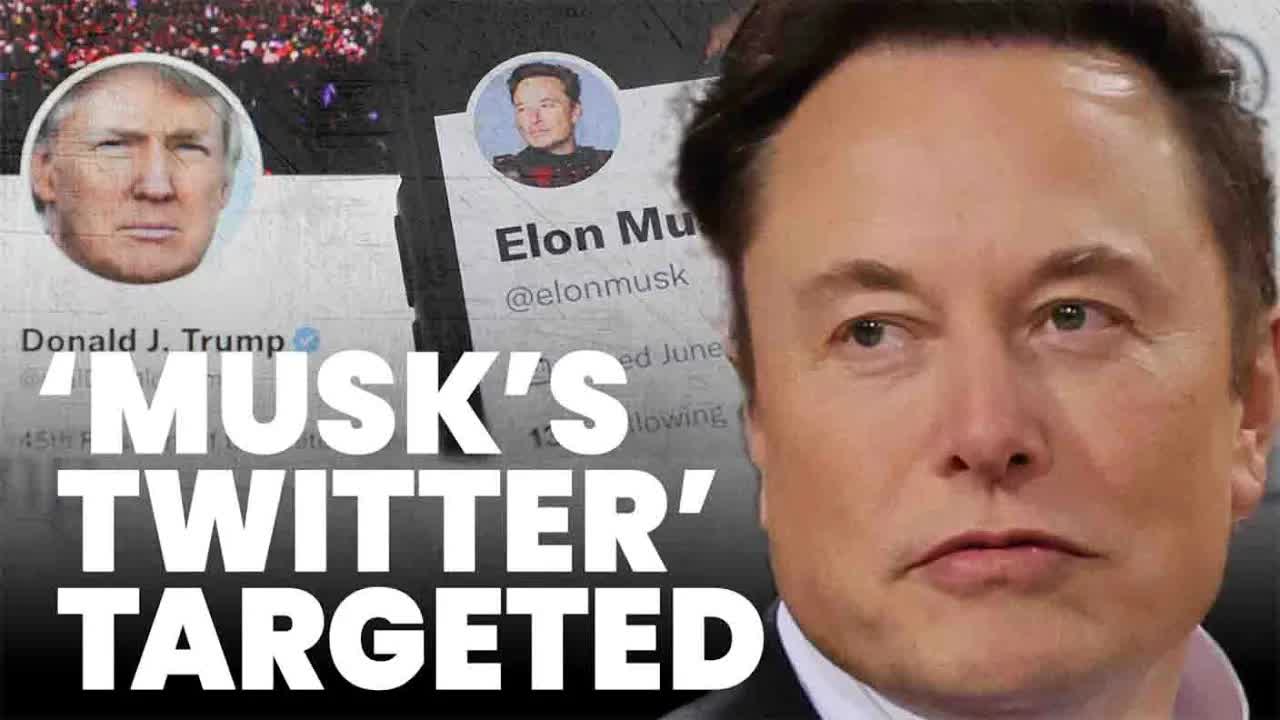
Adding fuel to the fire, investigative journalist Matt Taibbi has uncovered documents suggesting that a group previously established by Morgan McSweeney, Chief of Staff to Prime Minister Keir Starmer, had an agenda targeting Elon Musk’s Twitter.
Musk, known for his financial backing of Trump, has become a focal point in this unfolding drama.
The Centre for Countering Digital Hate (CCDH), the organization at the center of this controversy, has yet to respond to inquiries regarding these claims.
Taibbi, who has spent nearly three years investigating digital censorship, describes the CCDH as a significant player in the anti-disinformation realm.
Their lobbying efforts have influenced legislative changes in both Europe and the UK.
Notably, they were embroiled in a lawsuit against Twitter and Musk, which was dismissed last spring.
The CCDH’s CEO hailed this dismissal as a victory, claiming it prevented Musk from misusing the courts against legitimate research.
The documents obtained by Taibbi reveal monthly agendas where the primary focus is described as “Kill Musk’s Twitter.” This raises serious questions about the organization’s intentions and credibility.
Such language is rarely seen in groups that claim to operate without political bias or solely in the interest of truth-seeking.
It poses a stark contrast to the original mission of organizations like the ACLU, which once stood firmly against hate.
The timeline of these agenda items stretches from January to August of this year, indicating a persistent focus on Musk’s platform.
Taibbi argues that this consistent targeting suggests a politically motivated agenda rather than a genuine effort to combat misinformation.
He posits that the CCDH’s actions are not merely about digital integrity but reflect a broader political bias, particularly against figures like Trump.
While some may argue that the connection between the CCDH and Labour Together is tenuous, Taibbi maintains that the overlap in leadership and political leanings cannot be ignored.
Both organizations were co-founded by McSweeney, and their shared history raises eyebrows regarding their current affiliations and objectives.
Critics of the CCDH point to its past campaigns that targeted leftist factions within the Labour Party as indicative of its political slant.
The CCDH’s agenda also includes promoting changes in the U.S. aligned with a framework reminiscent of the UK’s Online Safety Act.
Taibbi highlights this as a troubling development, suggesting that it contradicts the foundational principles of free speech traditionally upheld in America.
He believes this revelation could have far-reaching implications for the ongoing discourse about digital censorship and political influence.
As the narrative unfolds, the Trump campaign has expressed its intent to investigate the CCDH thoroughly should they regain power.
The campaign’s concerns extend beyond mere policy disagreements; they reflect a deeper anxiety about the integrity of the electoral process itself.
The optics of foreign involvement in domestic elections, even if legal, can create a perception of impropriety among voters.
Amidst these controversies, the Labour Party continues to defend its volunteers’ right to participate in political activities during their free time.
However, the implications of such actions, especially when linked to foreign entities, remain a contentious topic.
The deleted LinkedIn post by Labour’s head of operations, which suggested assistance with housing, further complicates the narrative, leading to speculation about the nature of these volunteer efforts.
As the political landscape becomes increasingly intertwined with social media dynamics, the questions surrounding the CCDH and its motives will likely linger.
With investigations looming and public scrutiny intensifying, the interplay between digital platforms, political activism, and electoral integrity is set to remain a hot-button issue in the months ahead.
Read more
