







In a dramatic twist of electoral politics, Nebraska is at the center of a heated debate regarding its electoral vote allocation.
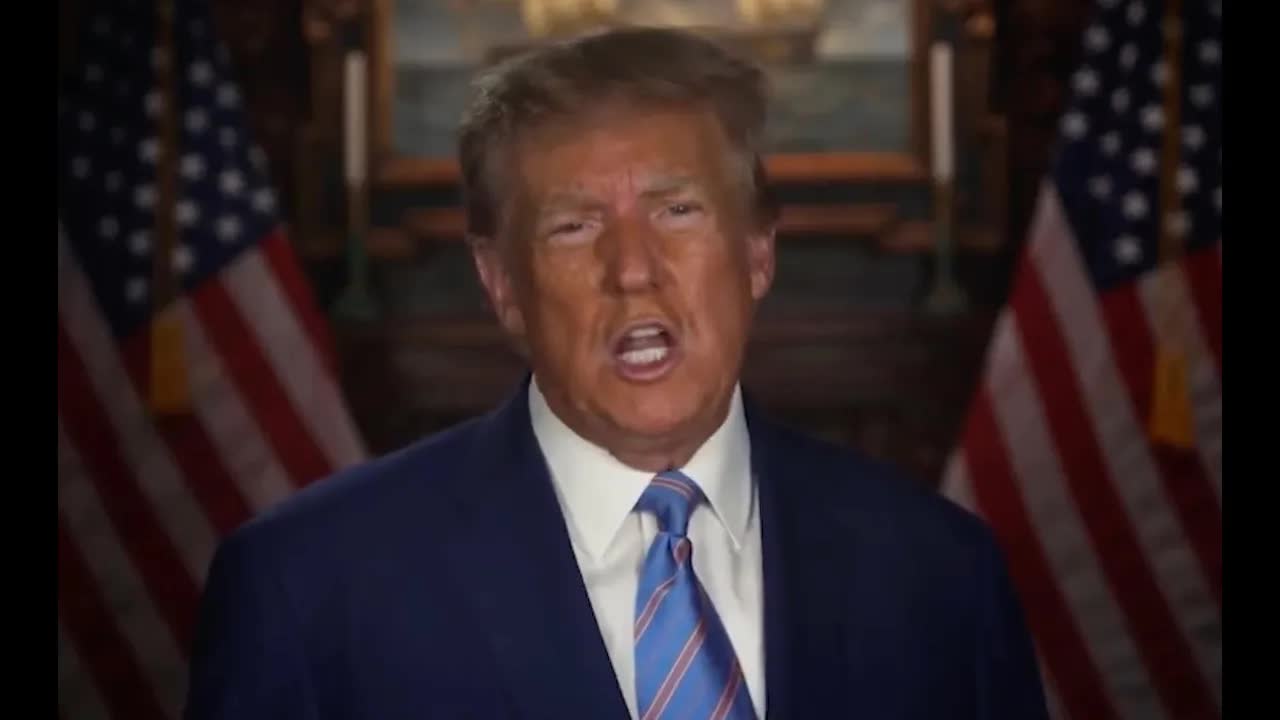
This year, the state’s Republican leaders have been contemplating a shift to a winner-take-all system, a move that could significantly benefit Donald Trump.
Such a change would mirror the existing situation in Maine, which also has a split electoral vote system.
However, the stakes are high, and the implications stretch far beyond state lines.
To set the stage, it’s important to note that only two states in the U.S. divide their electoral votes: Nebraska and Maine.
In the 2020 election, Biden secured Nebraska’s 2nd district while Trump dominated the rest of the state.
Conversely, in Maine, Trump won the 2nd district, with Biden taking the majority.
This peculiar setup has led to political maneuvering, especially as the upcoming election approaches.
Maine’s Democratic House Majority Leader, Maureen Terry, recently voiced her concerns about Nebraska’s potential changes.
She emphasized that local voters cherish their independence and fairness, stating that if Nebraska’s Republican leadership attempted to manipulate the electoral system for Trump’s gain, Maine would be compelled to respond.
Her words underscore the competitive nature of these electoral strategies and the lengths to which parties will go to protect their interests.
However, the dynamics shifted when it became clear that any legislative changes in Maine would be too late to affect the current election cycle.
A law in Maine stipulates that a bill becomes law 90 days after passage unless expedited by a two-thirds majority—a threshold not met by Democrats.
Consequently, Nebraska Republicans seized the opportunity to revisit their proposal without fear of immediate retaliation from Maine.
Adding fuel to the fire, Senator Lindsey Graham recently met with Nebraska’s governor and Republican lawmakers, allegedly to rally support for changing the state’s electoral vote distribution.
Reports suggest that this effort was backed by the Trump campaign, aiming to convene a special legislative session to discuss the proposed changes.
Surprisingly, some Republicans who initially opposed the idea began to express support, indicating a shifting political landscape.
Yet, not all lawmakers are on board with this last-minute push.
State Senator Mike McDonnell publicly declared his opposition, emphasizing the importance of fair elections where every voter’s voice is heard.
He argued that now, just weeks before Election Day, is not the appropriate time to implement such a significant change.
Instead, he proposed putting the matter to the voters through a constitutional amendment, a move that could garner public support without appearing to favor Trump directly.
The Nebraska State Democratic Party Chair, Jane Klebe, expressed relief at the preservation of the state’s fair electoral system.
She noted that the desire for a balanced approach transcends party lines, with many Nebraskans valuing the integrity of their electoral process.
As early voting approaches, Democrats are ramping up their grassroots efforts to ensure voter engagement and turnout, contrasting their organized campaign with what they perceive as disarray within the Trump camp.
Klebe also praised McDonnell for resisting pressure from Trump and his allies, highlighting the importance of standing firm against attempts to undermine democratic principles.
She acknowledged that while differences exist between parties, McDonnell’s commitment to listening to constituents showcases a broader respect for democracy.
As the political landscape continues to evolve, the Republican push for electoral changes raises questions about the integrity of the electoral college system itself.
Critics argue that the system is inherently anti-democratic, allowing a small number of swing states to wield disproportionate influence over national elections.
Some propose moving towards a popular vote system, which would ensure that every vote carries equal weight, regardless of geographic location.
Ari Berman, a reporter from Mother Jones, discussed the potential for the National Popular Vote Interstate Compact, which aims to circumvent the electoral college by aligning states to appoint electors based on the national popular vote.
While this initiative faces challenges, it represents a growing movement seeking to reshape how elections are conducted in the U.S.
Despite the ongoing controversies, the message remains clear: the political chess game surrounding electoral votes is far from over.
As November approaches, both parties are preparing for a fierce battle, each strategizing to secure an advantage.
The question remains—will fairness prevail, or will the pursuit of power overshadow the democratic process?
Only time will tell as we inch closer to Election Day.
Read more
