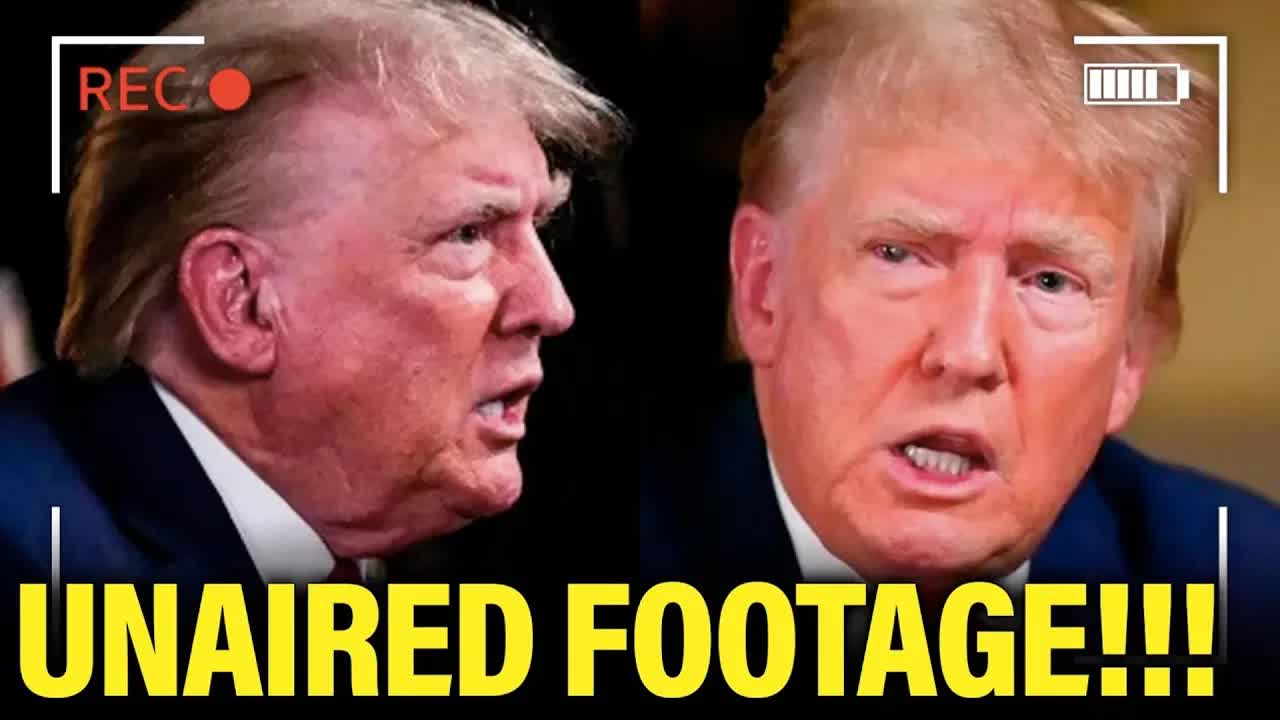
In a surprising twist, it has come to light that nine crucial minutes were excised from Donald Trump’s recent interview with Kristen Welker on NBC’s “Meet the Press.”
This segment, which was cut before airing, occurred right at the start of the interview, prompting questions about what was so controversial that NBC felt compelled to omit it.
Michael Popok, a legal analyst, pointed out that the network essentially gave Welker a “mulligan,” allowing her to restart the interview without the contentious material.
But now, that missing footage is resurfacing, and it could have significant implications for ongoing legal proceedings against Trump.
Popok highlighted a particular moment in the interview where Trump predicted that the network wouldn’t air certain statements he made, a prediction that turned out to be spot on.
As the interview progressed, Trump reiterated his claims about election fraud, insisting that the 2020 election was rigged.
He cited various sources of supposed evidence, including the infamous “Twitter files” and the controversial documentary “2000 Mules,” which he claims support his narrative of widespread voter fraud.
However, many of these assertions have been thoroughly debunked by fact-checkers and legal experts alike.
During the exchange, Welker attempted to steer Trump away from these claims, emphasizing that they had been disproven.
Yet, Trump persisted, arguing that there was ample video evidence of ballot stuffing and other irregularities.
It was a classic example of Trump’s defiance against established facts, as he clung to his narrative despite overwhelming evidence to the contrary.
Popok observed that this interview segment could backfire for Trump.
Rather than helping his case, the insistence on falsehoods may actually bolster prosecutors’ arguments regarding his state of mind and intent during the election.
The clip serves as a potential goldmine for legal teams looking to demonstrate that Trump was aware of the truth yet chose to propagate lies instead.
The legal concept of “willful blindness” comes into play here.
In court, jurors will be instructed to consider whether a reasonable person, given the information available, could still maintain that the election was stolen.
With testimony from numerous officials, including Trump’s own appointees who confirmed the election results, the prosecution may argue that Trump’s continued assertions of fraud indicate a deliberate disregard for the truth.
Popok further noted that Trump’s reliance on fringe theories and dubious organizations like True the Vote could be detrimental.
These groups have been discredited by serious investigations, yet Trump continues to champion their claims, which could make it difficult for him to argue in good faith that he believed in the legitimacy of his allegations.
Kristen Welker faced criticism for her handling of the interview, with some suggesting she struggled to effectively challenge Trump’s assertions.
Nonetheless, the focus remains on how this missing footage will be utilized in court.
The prosecution could leverage it to illustrate Trump’s refusal to accept reality, despite the chorus of voices advising him otherwise.
As the legal landscape evolves, the significance of these nine missing minutes cannot be overstated.
They not only shed light on Trump’s mindset but also serve as a reminder of the ongoing battle between media narratives and legal accountability.
Popok concluded by emphasizing that the American public, particularly jurors, are more discerning than some may think.
They will scrutinize the evidence presented, and the prosecution should embrace this material rather than shy away from it.
This episode illustrates the intersection of law, politics, and media, highlighting the complexities involved in navigating these waters.
As the trials unfold, all eyes will be on how this new information impacts the case against Trump and what it means for the future of political discourse in America.
Read more
