








In the wake of devastating hurricanes that have ravaged parts of North Carolina and Florida, a troubling trend has emerged: misinformation regarding federal disaster relief efforts is proliferating.
Former President Donald Trump has taken center stage in this narrative, spreading false claims about the government’s response to the disaster.
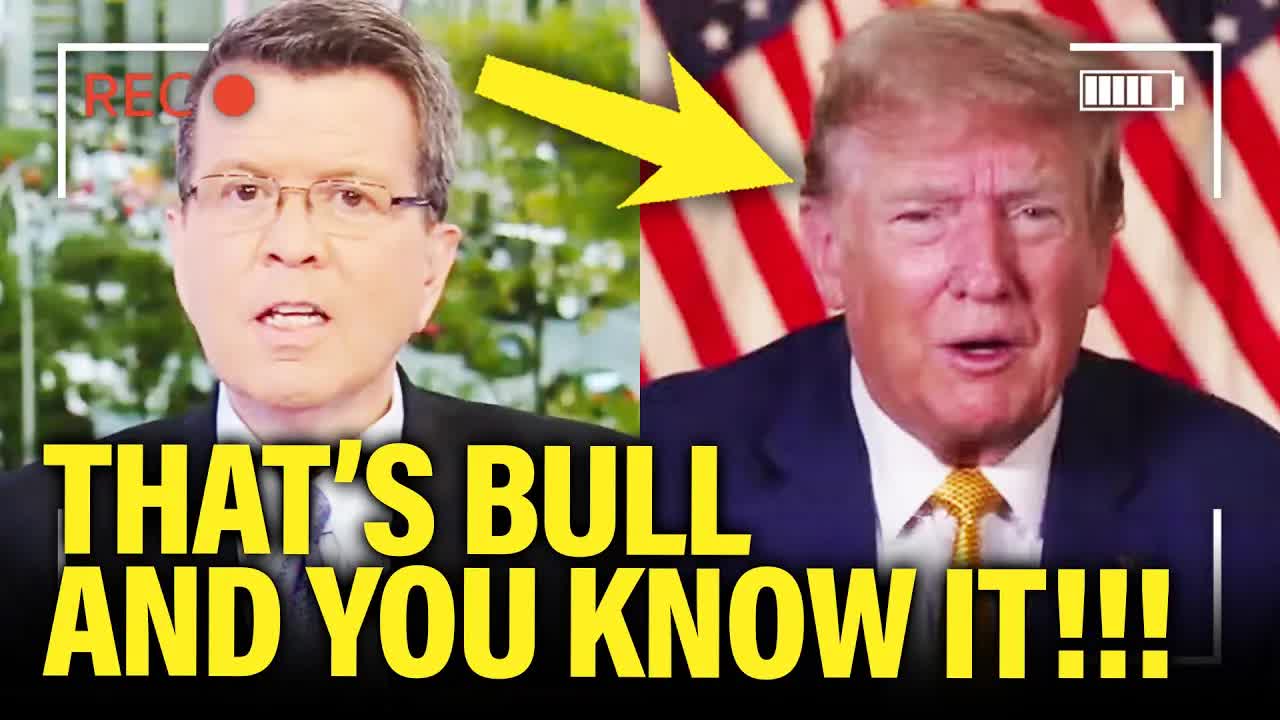
This has prompted a backlash from various media figures, including Fox News host Neil Cavuto, who recently called out Trump’s misleading statements live on air.
During a recent interview with Transportation Secretary Pete Buttigieg, Cavuto emphasized the detrimental impact of misinformation on recovery efforts.
He pointed out that claims suggesting the federal government is neglecting Republican areas while favoring Democrats are simply unfounded.
Buttigieg reinforced this by stating that federal responders are focused solely on assessing immediate needs, regardless of political affiliation.
It’s about getting help where it’s needed most, not playing politics.
But let’s break down the facts.
The initial financial assistance provided by FEMA, which amounts to $750, is not a one-time solution.
Instead, it serves as an emergency fund for those who may be unable to access traditional banking services.
This cash is meant to help individuals cover urgent expenses like food and medicine, but it’s just the beginning of a more extensive support system.
Unfortunately, misinformation can distort this reality, leading to a misunderstanding of the aid available.
Since Hurricane Helene struck last week, Trump has seized the opportunity to spread his narrative, suggesting that the federal government is intentionally withholding aid from Republican voters.
Such claims, while politically motivated, are not supported by the facts.
In reality, officials from various agencies have been deployed to assist affected communities, regardless of their political leanings.
The focus remains on helping those in need, not on partisan divides.
What’s particularly alarming is how these falsehoods can deter people from seeking the aid they desperately require.
Federal officials have expressed concern that Trump’s rhetoric could discourage individuals from applying for assistance, further complicating recovery efforts.
The ongoing chaos and confusion in the aftermath of the storms make it crucial for accurate information to prevail.
Interestingly, Trump’s current rhetoric mirrors actions he took during his presidency.
In 2019, he diverted funds from FEMA’s disaster relief budget to support migrant programs, a move he now criticizes in others.
This hypocrisy raises questions about the motivations behind his recent comments.
Is it acceptable for him to shift disaster funds when it suits his agenda but not for others to do the same?
As officials work tirelessly to provide aid, they find themselves battling not only the aftermath of the hurricanes but also the fallout from Trump’s disinformation campaign.
FEMA Administrator Deanne Criswell noted that the level of misinformation she’s encountered is unprecedented, creating additional challenges for agencies trying to deliver crucial support.
Moreover, the narrative being pushed by Trump has real-world consequences.
For instance, a resident in North Carolina shared a heartbreaking story about his father-in-law, who, despite suffering significant damage from the hurricane, refuses FEMA assistance due to his unwavering belief in Trump’s misleading statements.
This situation underscores the emotional toll that misinformation can take on individuals and families in crisis.
Efforts to debunk these myths have been met with resistance, illustrating a troubling divide in public perception.
Even when presented with evidence and facts, some individuals remain steadfast in their beliefs, often attributing their doubts to a mistrust of government.
This “cult-like” loyalty to Trump, as described by the resident, poses a significant barrier to recovery.
As the recovery process continues, it’s essential for leaders and officials to stay focused on delivering the necessary support rather than engaging in political squabbles.
The priority should be helping those affected by the hurricanes, ensuring they receive the assistance they need to rebuild their lives.
In light of these challenges, it’s clear that the road to recovery is not just about physical rebuilding but also about combating misinformation.
Only by addressing these false narratives can we hope to ensure that everyone receives the help they deserve in times of crisis.
Read more
