



Keir Starmer’s administration is still in its infancy, yet it’s already grappling with significant challenges that have raised eyebrows and questions about its effectiveness.
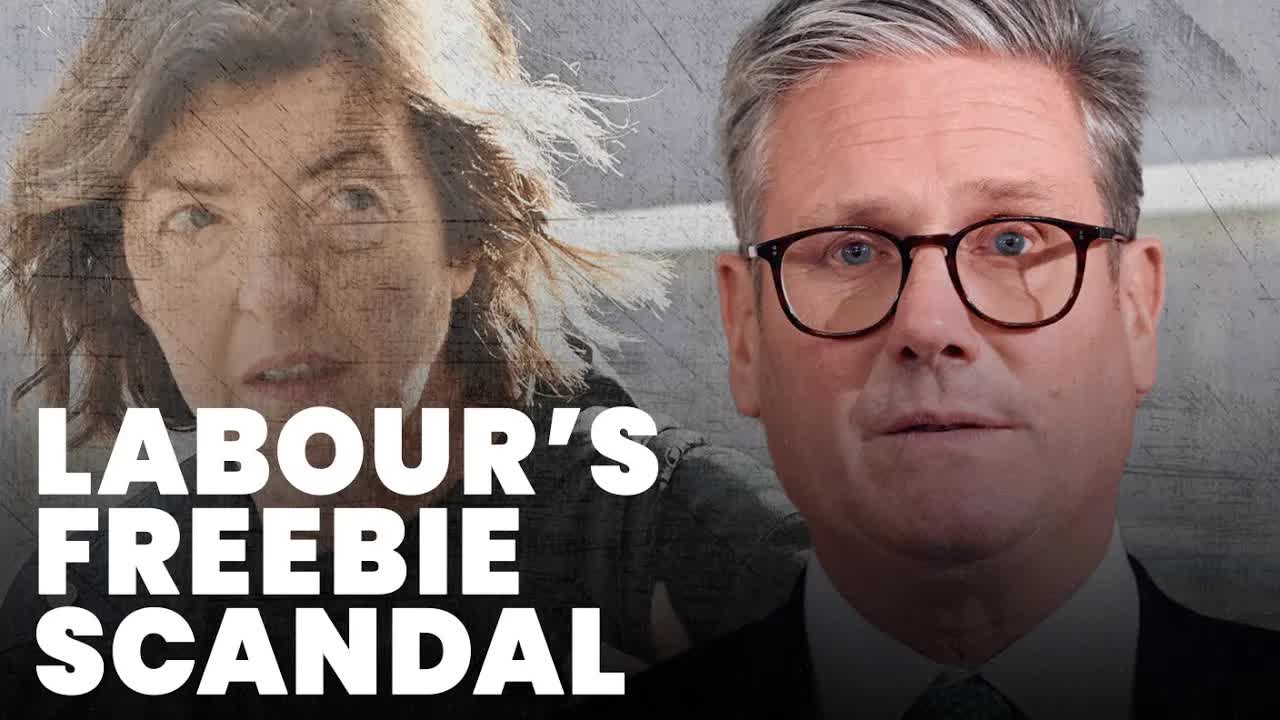
Just shy of 100 days into his leadership, Starmer has found himself in hot water, with critics dubbing him the “king of freebies.”
This period has become one of the most tumultuous for his government, as controversies swirl around everything from extravagant gifts to questionable associations.
When Starmer took up residence at Number 10, he promised a new approach, but recent revelations have painted a different picture.
His government has faced scrutiny over a series of scandals, including an uproar regarding donations, expensive clothing, and even Taylor Swift concert tickets.
The Sunday Times played a pivotal role in igniting this firestorm back in August, revealing that one of Starmer’s major donors, Lord Alley, had access to Downing Street, raising serious ethical concerns.
The fallout has been swift.
Reports indicate that Starmer’s Chief of Staff, Sue Gray, is being held accountable for the chaos.
With her departure, Morgan McSweeney has stepped in, marking a significant shift in the inner workings of Starmer’s team.
But what led to this upheaval so early in the government’s tenure?
Gabriel Pogrund, Whitehall editor at the Sunday Times, shared insights into the dysfunction within Starmer’s camp.
Gray, a seasoned civil servant known for her role in the Partygate Inquiry, was brought on board to ensure a seamless transition for Labour.
Unfortunately, the reality has been far from smooth, as allegations and controversies have emerged almost daily, leaving many questioning the government’s direction and priorities.
Starmer’s team has been criticized not just for their handling of these scandals but also for a perceived lack of clarity regarding the party’s vision.
Discontent among MPs has grown, particularly concerning austerity measures that have left many constituents feeling abandoned.
As tensions mounted, it became clear that the internal dynamics between Gray and McSweeney were strained, leading to further complications.
The relationship with Lord Alley has been particularly troubling.
Initially seen as a loyal supporter, his close ties to Starmer have raised eyebrows.
Pogrund noted that Alley, a relatively obscure figure until recently, had gained notoriety within Labour circles, and his influence began to seep into the party’s operations.
The concern was palpable when it was revealed that Alley had a security pass for Downing Street, a privilege not afforded to many.
The situation escalated when it was disclosed that Alley had financed a substantial amount of Starmer’s wardrobe, including high-end suits and even dresses for his wife, Victoria.
This revelation struck a nerve, especially given Starmer’s position as a leader advocating for integrity and accountability.
Critics argue that accepting such lavish gifts from a major donor creates an uncomfortable narrative, particularly during a time when many are struggling financially.
As the media delved deeper into Starmer’s connections with Alley, additional stories began to surface, highlighting a pattern of accepting gifts and freebies.
Starmer’s name appeared frequently on the MPs’ Register of Interests, with reports of complimentary tickets to concerts and sporting events.
This trend has sparked outrage, especially among constituents facing a cost-of-living crisis, who find it hard to reconcile their struggles with their leaders’ apparent indulgences.
The broader implications of these scandals cannot be overstated.
Starmer has prided himself on restoring ethics and integrity to politics, a stance that now feels undermined by the very actions of his administration.
The public perception of Labour as the party of the people is at risk, as the narrative shifts to one of entitlement and privilege.
As Starmer’s government attempts to recalibrate, the recent reshuffling of key positions signals a desire for change.
With McSweeney at the helm and Gray stepping aside, there’s hope that fresh leadership will help navigate these turbulent waters.
However, the question remains whether this new chapter can effectively address the damage done and restore public confidence.
In the face of mounting criticism, Starmer’s government must grapple with the consequences of its actions.
The honeymoon phase appears to be over, and as Labour seeks to redefine its identity, the pressure to deliver meaningful change has never been greater.
The coming months will be critical in determining whether Starmer can steer his administration back on course or if these scandals will continue to overshadow his leadership.
Read more
