





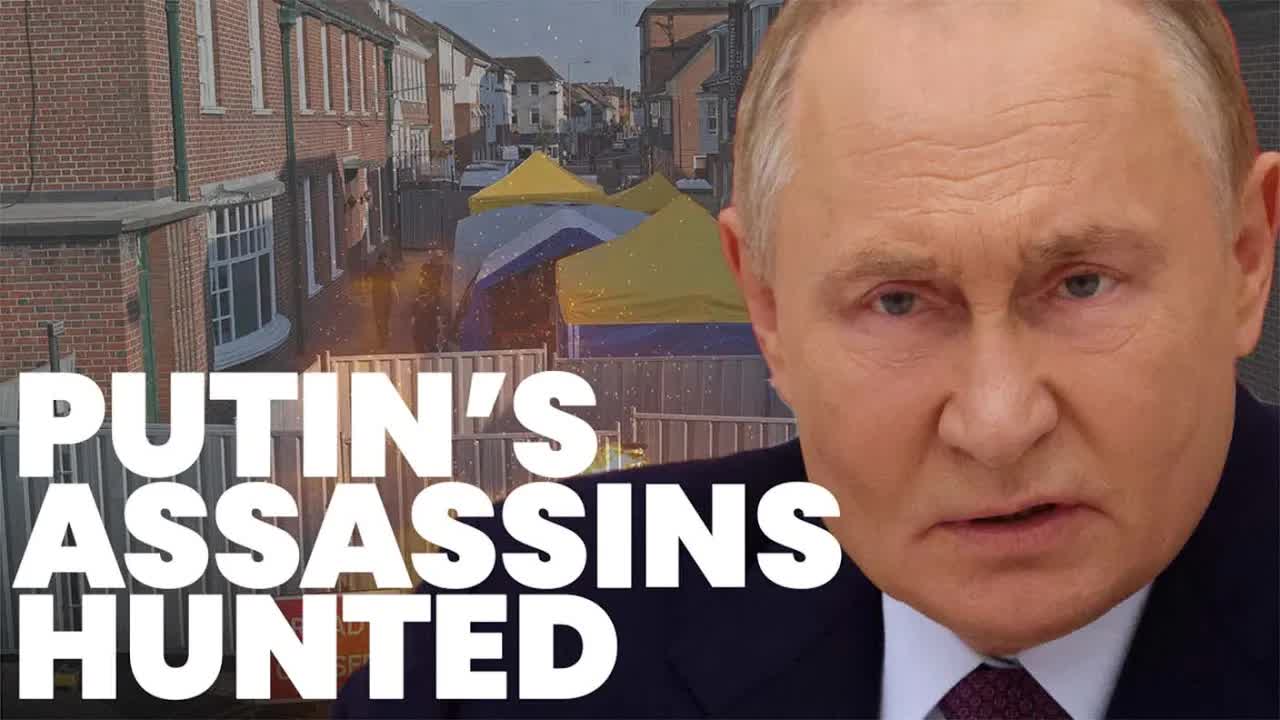
The wheels of justice often turn slowly, and this has certainly been the case with the Salisbury poisoning incident.
It’s been three long years since the initial inquest, and now we’re on the brink of a significant inquiry that promises to shed light on the events surrounding the infamous 2018 attack.
In the coming weeks, we can expect to hear from key figures, including Sergei Skripal and his daughter, Yulia, as they provide statements that could clarify the circumstances of the poisoning.
Today marks the beginning of this crucial phase, particularly focusing on the tragic death of Dawn Sturgis.
She mistakenly applied a Novichok-laced substance to her wrist, believing it to be perfume.
This shocking incident has kept the public’s interest piqued, and as details emerge, it seems we are finally inching closer to understanding what transpired that fateful day.
What makes this case particularly intriguing is the unusual amount of information that has surfaced over time, much of it thanks to various independent investigations.
When it comes to matters involving national security or alleged foreign assassinations, it’s rare for such details to be laid bare for public scrutiny.
Yet, here we are, poised to gain insights that were previously shrouded in secrecy.
Towards the end of this month, another hearing is scheduled in London, where members of the intelligence community will testify.
While Sergei and Yulia Skripal won’t be giving evidence themselves, their written statements will offer invaluable context.
This inquiry is pivotal, especially regarding the question of whether the Russian state bears responsibility for the events in Salisbury.
So, what can we expect to learn from this inquiry?
Certainly, it is likely to reveal information that remains unknown to the general public.
The Metropolitan Police have been notably cautious in their disclosures, likely to avoid jeopardizing any potential trials against the two Russian military intelligence officers who were implicated in the attack.
However, as hopes for extradition fade, a more transparent dialogue may emerge.
Additionally, the inquiry aims to assess the public health response to the crisis.
Questions loom about whether authorities could have handled the situation more effectively.
A critical piece of evidence still missing is the fate of the Novichok-infused perfume bottle.
Did it lay dormant in a hedge, or was it passed around before Sturgis tragically encountered it?
Connecting this bottle to the suspects remains a vital part of the investigation.
Former Prime Minister Theresa May has expressed skepticism about the possibility of justice for Sturgis’s family, given the likelihood that the accused Russian agents will never face trial.
It raises an interesting question: will Russia even pay attention to this inquiry?
Some commentators speculate that Russian media may mock the proceedings, reflecting a dismissive attitude towards the situation.
Shifting gears, the situation in the Middle East is equally alarming.
Recently, four Israeli soldiers lost their lives, and many others were injured due to a Hezbollah strike on an army base.
This attack was a direct response to Israeli operations in Beirut, and it has drawn international condemnation.
The United Nations has accused Israel of violating international law by placing its tanks in a UN peacekeeper zone, thereby endangering those tasked with maintaining peace.
UN peacekeepers have been stationed in South Lebanon for nearly five decades, yet their effectiveness has come under scrutiny.
Initially deployed after an Israeli invasion in 1978, their mandate was to stabilize the region and prevent armed factions from operating freely.
However, the ongoing conflict with Hezbollah has rendered their efforts largely ineffective.
The recent escalation of violence has sparked discussions about the potential reconfiguration of the UN’s role in the region.
With the Security Council set to debate the matter soon, the future of the peacekeeping force hangs in the balance.
Some nations, like Ireland, have instructed their troops to remain, while others consider withdrawing for safety.
As tensions rise, Israeli Prime Minister Benjamin Netanyahu has called for the removal of UN peacekeepers from Lebanon, claiming they have become hostages to Hezbollah.
This presents a complicated dilemma: can the UN maintain peace while also protecting its personnel?
The answer is far from straightforward.
In the backdrop of these developments, UK Foreign Secretary David Lammy is engaging with EU ministers this week, discussing cooperation on various global issues, including the ongoing conflict in Ukraine.
As he navigates these complex relationships, the changing dynamics between the UK and the EU post-Brexit are becoming increasingly apparent.
This week’s discussions with Gulf leaders, particularly regarding Iran and the Israel-Hamas conflict, highlight the urgency of international collaboration.
While there have been previous summits of this nature, the current geopolitical climate makes this engagement particularly significant.
The stakes are high, and the world watches closely as diplomatic efforts unfold.
Read more
