



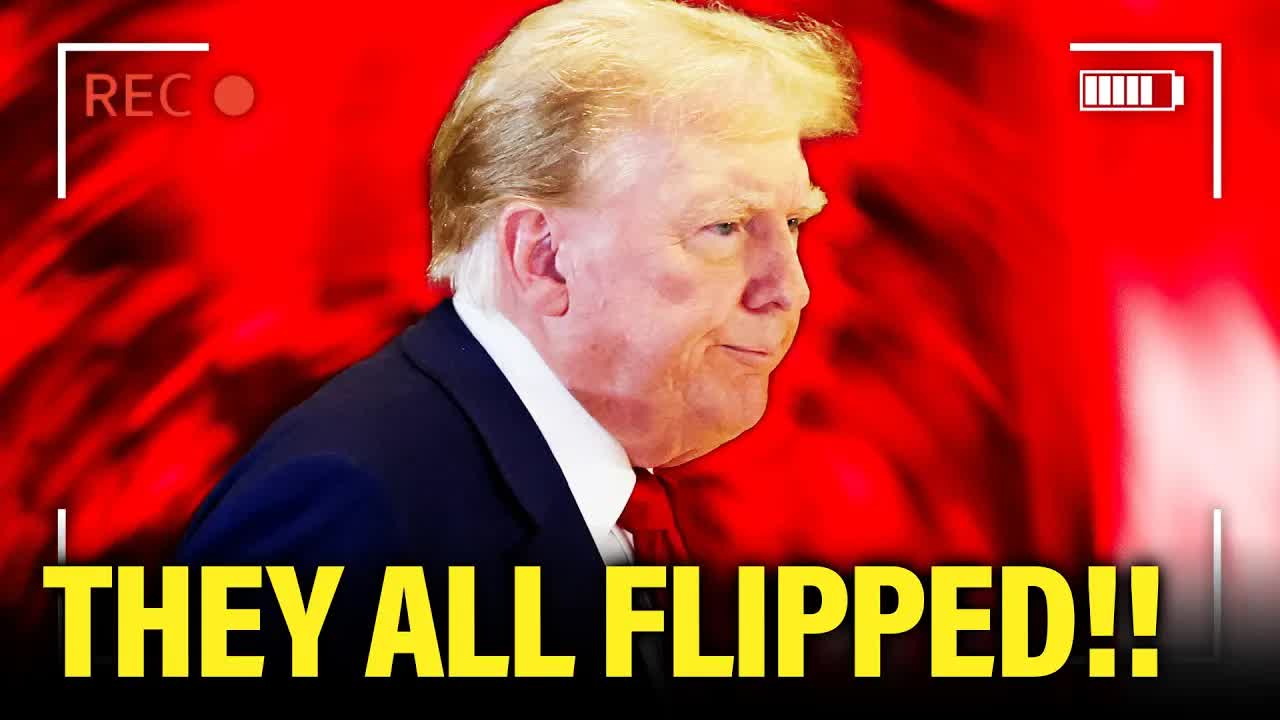
In a dramatic turn of events, Special Counsel Jack Smith has unveiled a staggering 165-page filing that could spell serious trouble for Donald Trump.
This document, which features 71 witnesses and a wealth of evidence, paints a dire picture for the former president.
The sheer volume of information has prompted Trump to request an extension from Judge Tanya Chutkan, reminiscent of a schoolboy pleading for more time on a homework assignment.
His plea reflects a sense of desperation amidst the overwhelming nature of Smith’s revelations.
The filing serves as a comprehensive prosecution memo, detailing the facts and legal arguments against Trump.
It aims to clarify why the new superseding indictment does not invoke the presidential immunity established by the Supreme Court in the Trump v. United States case.
As legal experts delve into the intricacies of the document, it’s clear that Smith meticulously laid out the evidence to bolster his case, leaving little room for ambiguity.
In the wake of the filing, Trump’s legal team has been vocally critical, branding Smith’s approach as a politically motivated “monstrosity.”
This defensive posture is telling; it often indicates a lack of substantive legal arguments.
The back-and-forth between Trump’s camp and the prosecution has raised questions about what evidence would be made public, especially given the protective order that has been in place for over a year.
However, much of the evidence remains accessible, with only sensitive details redacted.
What stands out in Smith’s filing is the breadth of evidence collected against Trump.
From witness testimonies to video recordings and cell phone records, the prosecution’s arsenal is extensive.
The document outlines a clear distinction between Trump’s actions as a private citizen and those performed in his official capacity, arguing that many of his alleged offenses fall outside the realm of presidential immunity.
The crux of the legal battle hinges on whether Trump’s actions during the election and its aftermath were official duties or personal endeavors.
For instance, communications with Mike Pence are particularly contentious, as they straddle the line between the executive and legislative branches.
Smith argues that while some interactions may appear official, they can be categorized as unofficial when viewed in the context of their intent and execution.
Smith’s narrative unfolds methodically, presenting a timeline of events leading up to January 6, 2021.
The document revisits the chaos of that day, reminding readers of the severity of Trump’s actions and rhetoric.
For many, revisiting these events is a stark reminder of the gravity of the situation, reigniting feelings of anger and disbelief at the former president’s behavior.
One of the most significant aspects of this filing is its organization around three main conspiracies.
These include efforts to disrupt the electoral process and obstruct Congress’s certification of the election results.
The prosecution meticulously lays out how Trump and his associates sought to undermine the democratic process, framing their actions as a direct assault on the rights of American voters.
As the legal proceedings unfold, Trump’s team is faced with the daunting task of countering Smith’s detailed arguments.
The stakes are high, and the implications for Trump’s political future are profound.
With the midterm elections looming, the fallout from this case could shape the political landscape for years to come.
The speed at which Judge Chutkan has acted also speaks volumes.
She swiftly rejected attempts to delay the publication of the filing, ensuring transparency in a case that has drawn national attention.
Her decisiveness reflects a commitment to maintaining the integrity of the judicial process, even in the face of political pressures.
As the legal community dissects Smith’s filing, it becomes increasingly clear that this is more than just a legal battle; it is a pivotal moment in American history.
The outcome could redefine the boundaries of presidential power and accountability, setting precedents that will resonate for generations.
Ultimately, this case encapsulates the intersection of law and politics in a way that few others have.
With every new development, the narrative evolves, pulling the public deeper into the complexities of the justice system.
As Americans watch closely, the question remains: what will the repercussions be for Trump, and how will this shape the future of American democracy?
Read more
