









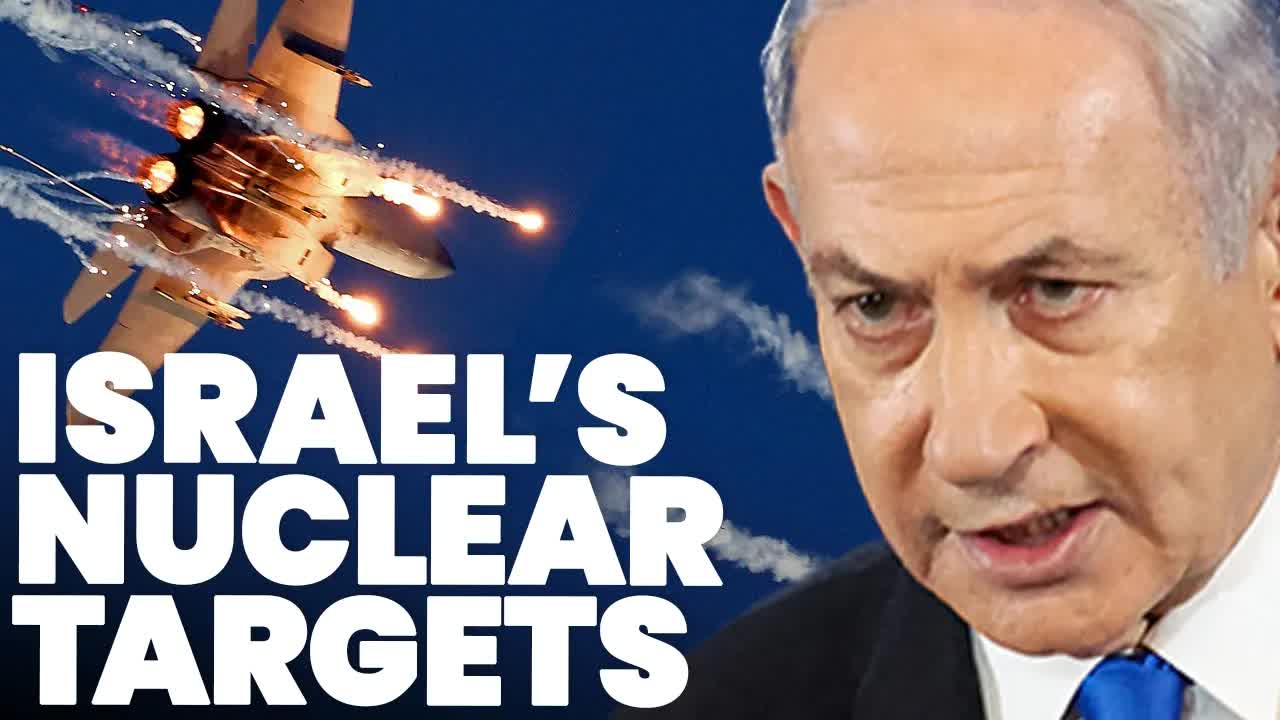
In the ever-evolving geopolitical landscape of the Middle East, a pressing question looms: will Iran seize the moment to accelerate its pursuit of nuclear weapons?
Traditionally, Iran has relied on Hezbollah as a strategic ally in its rivalry with Israel.
However, recent setbacks for Hezbollah may lead Iran to explore alternative strategies, a prospect that could spell trouble for the region and beyond.
Today, at a festival event, historian James Barr and international relations expert Christopher Phillips will delve into these complexities.
Barr, author of the influential book “A Line in the Sand,” will discuss the historical context of the Middle East’s fragmentation post-Ottoman Empire.
Meanwhile, Phillips aims to dissect the current conflicts plaguing the region, analyzing how various global powers have influenced these tensions.
The timing is poignant, coinciding with the anniversary of the October 7th Hamas attacks on Israel, a day that remains etched in the memories of many.
The aftermath of the October 7th attacks has not only intensified the conflict in Gaza but also raised fears of a wider regional war, something experts have warned about throughout the year.
The recent Israeli bombardment of Lebanon and the limited ground invasion mark a significant escalation in hostilities, underscoring the need for reflection on the historical and contemporary factors that have led to this precarious situation.
As the anniversary of these tragic events approaches, one must ponder whether the UK and the wider world have truly grasped the gravity of what unfolded that day.
For Israelis, the trauma of October 7th continues to resonate deeply, shaping their responses and perceptions of security.
Many feel that the international community has moved on, neglecting the plight of hostages still held in Gaza and the profound emotional scars left behind.
Having recently visited Israel, I witnessed firsthand the palpable sense of shock and disruption among the populace.
The day of the attacks shattered the illusion of safety that many had held dear.
Yet, there seems to be a growing disconnect between how Israelis perceive their circumstances and how the rest of the world views the ongoing conflict, particularly regarding civilian suffering in Gaza and Lebanon.
In the wake of these events, public sentiment towards Prime Minister Benjamin Netanyahu has shifted dramatically.
Initially, many speculated that he might be ousted from power due to widespread anger over the government’s handling of the crisis.
However, his political resilience has proven formidable.
The recent targeted actions against Hezbollah have bolstered his standing, allowing him to refocus public attention on the perceived threats posed by Iran.
Netanyahu’s administration has capitalized on the recent successes against Hezbollah, which has long been a source of anxiety for Israelis living in the north.
The elimination of key Hezbollah figures has provided a rare moment of triumph for a nation grappling with a tumultuous year.
Observers may have underestimated Netanyahu’s ability to rebound politically, as he seizes this opportunity to reassert his narrative around Iran as an existential threat.
But the critical question remains: what lies ahead?
Are we on the brink of a full-scale conflict between Israel and Iran?
As tensions escalate, many are bracing for potential retaliation from Israel following Iran’s aggressive missile strikes.
The uncertainty surrounding Israel’s next moves raises concerns about possible strikes on Iranian nuclear facilities.
However, doubts persist about Israel’s capability to achieve a decisive blow that would incapacitate Iran’s ambitions entirely.
Iran, facing a weakened Hezbollah, might consider leveraging alternative strategies in its ongoing rivalry with Israel.
This shift could lead to a more aggressive pursuit of nuclear capabilities, a development that should alarm both regional and global stakeholders.
As the stakes rise, the implications of Iran’s choices could reverberate far beyond its borders.
Meanwhile, the influence of Israel’s Western allies, particularly the United States, appears to be waning.
President Joe Biden’s calls for restraint in Gaza and Lebanon have seemingly fallen on deaf ears.
Netanyahu’s government appears unyielding, potentially viewing the upcoming U.S. presidential election as an opportunity to act without fear of immediate repercussions from Washington.
Historically, the United States has played a pivotal role in shaping Israeli policy.
However, the current dynamics suggest that Israel is charting its own course, often disregarding the counsel of its traditional allies.
Despite calls for de-escalation, Israel remains steadfast in pursuing its objectives, believing that its interests take precedence over external pressures.
As the situation continues to evolve, the world watches closely, hoping for a resolution that prioritizes peace and stability in a region fraught with tension.
The coming days and weeks will undoubtedly shape the future of the Middle East, as the balance of power shifts and alliances are tested.
Read more
