








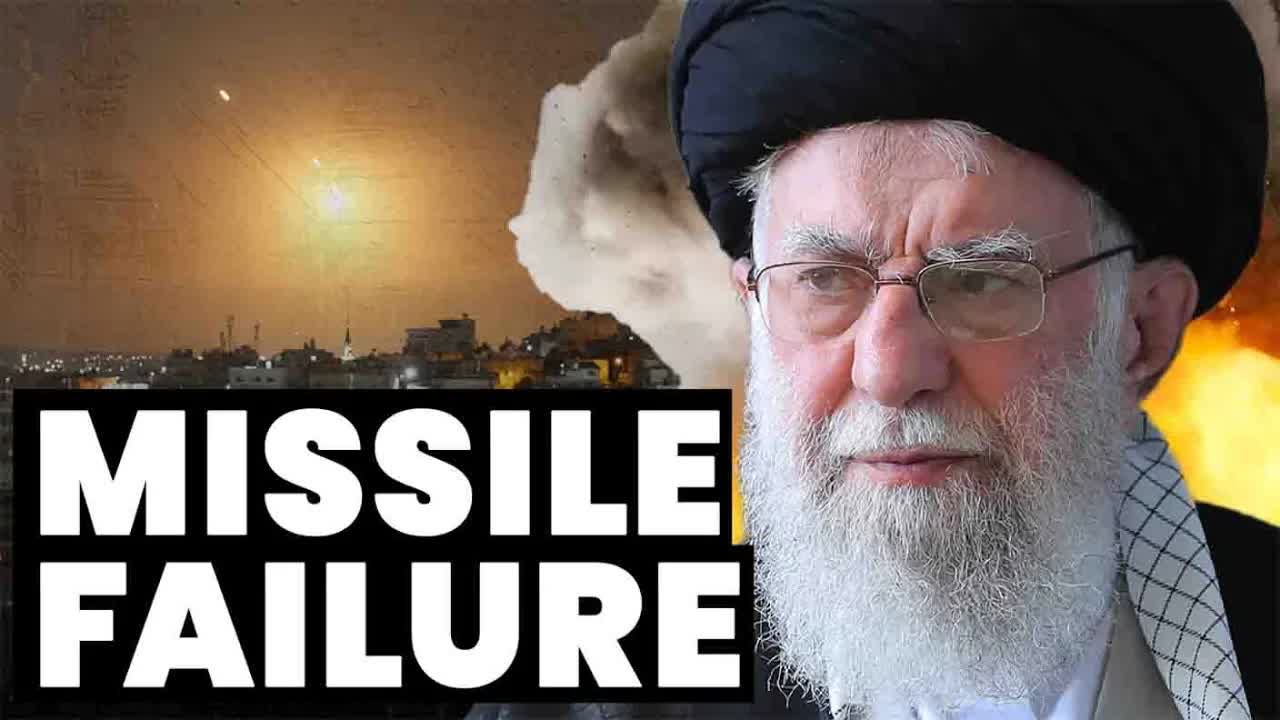
In a striking turn of events, Iran has faced embarrassment after launching two significant missile attacks that ultimately proved ineffective.
This failure has raised eyebrows internationally, particularly as Israeli Prime Minister Netanyahu has vowed to respond.
Observers are questioning why Iran is meddling in a situation that many argue is not its concern, especially given its history of using proxy forces to incite unrest across the Middle East.
While sanctions against Iran have been numerous, experts believe it may be time to explore more robust strategies to curb their influence.
Meanwhile, Israel has ramped up its military presence in Lebanon, describing its actions as limited and targeted.
However, history tells us that such operations often spiral into prolonged conflicts.
The diplomatic landscape appears stagnant, with little progress towards de-escalation or resolution amidst ongoing violence.
Interestingly, the upcoming U.S. presidential election seems to be casting a shadow over international efforts to stabilize the region.
To gain insight into the current state of affairs, we spoke with Lord Kim Darroch, the former British ambassador to the U.S. and a seasoned national security advisor.
Reflecting on the one-year anniversary of the October 7th events, he expressed concern over the apparent failure of diplomacy since that fateful day.
He noted that the escalation of violence was something the West had long feared, and while there have been attempts at negotiations over the years, a lasting solution remains elusive.
Darroch emphasized that the broader Arab world has never provided Israel with the assurance of peace, which has contributed to over fifty years of diplomatic stagnation.
He firmly believes that the ongoing clash between Iran and Israel represents one of the most perilous moments in recent history.
Despite Netanyahu’s claims of achieving victory over groups like Hamas and Hezbollah, Darroch argues that true resolution will only come through diplomatic channels.
When discussing the role of restraint among nations, Darroch pointed out that the dynamics differ significantly between countries.
He highlighted the stark contrast between Israel and Iran, noting that the latter’s failed missile strikes should ideally warrant no retaliation.
Yet, Netanyahu’s determination to respond complicates matters further.
Darroch also observed that while European and American diplomats advocate for restraint, the reaction from Arab nations has been surprisingly muted.
Turning our attention to the United States, Darroch posited that the current political climate surrounding the presidential elections is influencing America’s stance on the Middle East.
He acknowledged that the Biden administration has exerted pressure on Israel more than many anticipated.
However, he cautioned that it is unlikely for the U.S. to push Israel too far, especially with the elections looming.
As the situation unfolds, Israel has warned residents in southern Lebanon to stay away from the sea, signaling potential naval operations.
Richard Spencer, a correspondent for The Times, elaborated on these developments, indicating that Israel is likely to expand its military operations in the region.
This move could involve targeting Hezbollah’s assets, which raises concerns about the implications for civilians and local fishermen.
Spencer noted that the ongoing conflict is multi-faceted, with rocket attacks continuing to rain down on Israel from various fronts.
Despite the challenges, he mentioned that Israel’s war against Hamas is far from over, as the group still maintains the capability to launch attacks.
The complexity of the situation is compounded by the potential for wider conflict involving Iran, should Israel escalate its military actions.
Reflecting on the past year, Spencer remarked that the duration and intensity of the conflict were somewhat unexpected.
He acknowledged Netanyahu’s surprising resolve to maintain a prolonged military campaign, which has awakened a sense of resilience among Israelis.
The tragic events of October 7th have reignited a martial spirit, prompting many to return to military service to confront perceived threats.
The implications of this renewed aggression are profound, as the region stands on the brink of further upheaval.
As tensions rise and military operations expand, the question remains: how far will these conflicts escalate before meaningful dialogue can take place?
The stakes are high, and the consequences of inaction or miscalculation could reverberate throughout the Middle East for years to come.
Read more
