









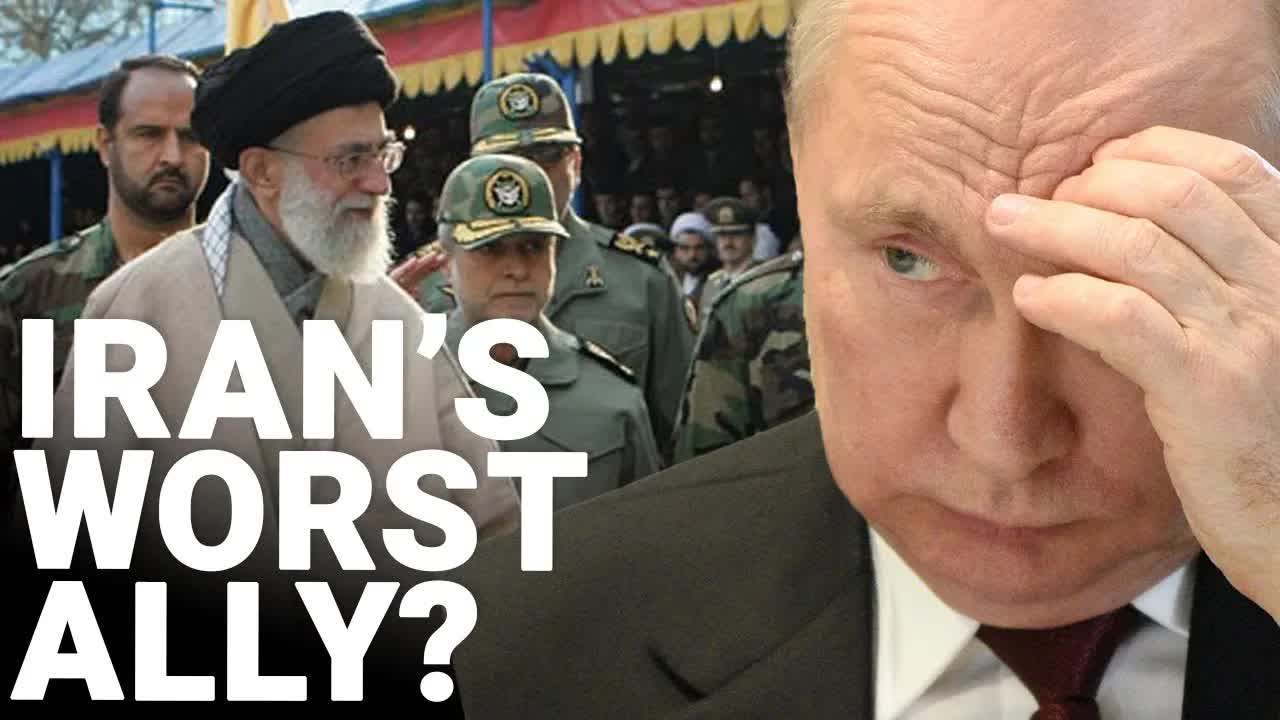
There’s a lot of chatter about Iran’s capabilities, and it’s crucial not to underestimate them.
However, we shouldn’t inflate their power either.
Recent events have shown that Iran’s stockpiles have dwindled, partly due to their support for Russia in Ukraine.
So, while they might have been a formidable force 18 months ago, their current situation suggests they’re less equipped to act decisively now.
This reality raises concerns that we might overlook what Iran could do if they truly decided to escalate their involvement in regional conflicts.
Countries like Saudi Arabia, Egypt, Israel, and Lebanon pay attention to our insights, and they value our expertise.
Despite this, the question remains: can the UK influence Israeli Prime Minister Netanyahu’s actions?
The answer is a resounding no.
The United States holds the reins when it comes to facilitating discussions aimed at preventing further escalation.
Yet, this doesn’t mean the UK is entirely sidelined; there are still roles to play, albeit on the fringes.
Britain, along with its allies, particularly the U.S., has been urging for a ceasefire.
But was it right for Israel to disregard these calls?
It’s a tricky situation.
While there’s a prevailing analysis suggesting a likely course of action, the potential for an uncontrolled escalation looms large.
This scenario could drag the UK and other European nations into a broader regional conflict, which is deeply concerning.
Support for Israel is strong, especially regarding their need to secure borders against threats like Hezbollah from southern Lebanon.
However, there’s a nagging worry that Iran, despite appearing somewhat restrained, still possesses cards it could play if provoked.
What does this mean?
Well, while Iran may seem less aggressive at the moment, there’s always the risk of a sudden shift in their strategy, leading to a more direct confrontation.
One way Iran could escalate its involvement would be through its proxies.
They’ve already mobilized groups like Hamas and Hezbollah, but the full extent of their capabilities hasn’t yet been unleashed.
If Iran decided to ramp up its aggressiveness, it could lead to serious repercussions for Israel, prompting a swift and forceful response from them and their allies, including the U.S.
The reality is that Iran’s military capabilities are limited.
They can’t send a land army to Israel, nor can they dominate the skies with their aging air force.
However, they could conduct complex long-range air attacks that challenge Israel’s defenses.
We shouldn’t dismiss Iran’s potential to adapt and innovate in warfare, even if their current situation seems less threatening.
Interestingly, there’s a palpable fear among Iran’s proxies.
They know that if Israel can eliminate key figures like Hezbollah’s leader, then no one in Tehran is safe either.
This fear can change decision-making dynamics significantly.
When those in power start to feel vulnerable, their perception of risks can shift dramatically, leading to more cautious strategies.
If hostilities escalate and Iran attacks Israel directly, the question arises: should the UK stand by Israel as it did in previous conflicts?
The answer is yes, but with nuances.
It’s essential to collaborate with allies like the U.S., France, Jordan, and Saudi Arabia to prevent any incoming attacks on Israeli territory.
The goal isn’t just to defend Israel but to avert a situation that spirals into uncontrollable regional chaos.
The complexities of international relations mean that decisions about military intervention are never straightforward.
If a missile were to hit Israel, triggering a retaliatory strike, the entire region could be plunged into conflict.
This is a scenario that no one wants to face, and the stakes are incredibly high.
Lastly, a recent statement from Robert Jenrick, a contender for party leadership, sparked controversy.
He suggested that the European Charter of Human Rights led British Special Forces to kill rather than capture terrorists.
This claim has been met with skepticism.
The idea that forces would arbitrarily kill instead of capturing suspects contradicts the ongoing inquiries into past operations, particularly in Afghanistan.
Such assertions, if unfounded, could undermine the serious discussions surrounding military ethics and accountability.
Navigating the landscape of Middle Eastern politics and military strategy is fraught with challenges.
As tensions simmer, the global community watches closely, aware that any misstep could have far-reaching consequences.
Read more
