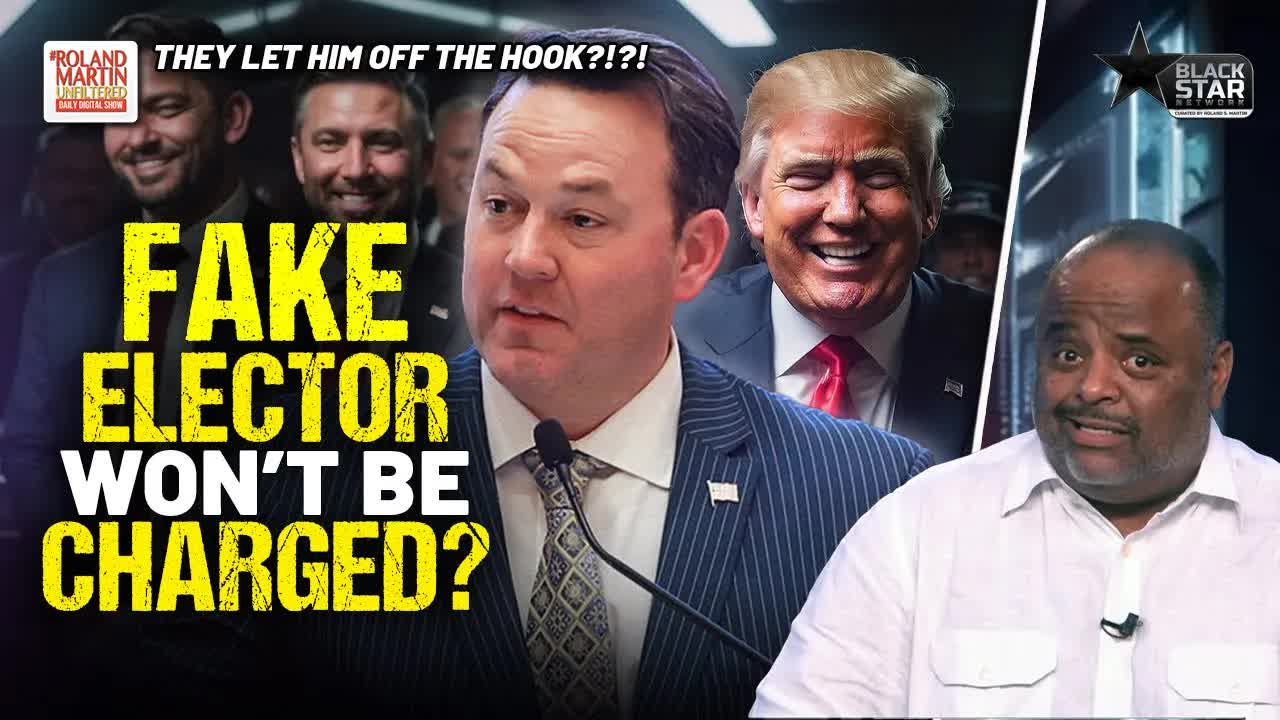
In a surprising twist in the ongoing election subversion saga in Georgia, Lieutenant Governor Burt Jones has managed to avoid prosecution.
This decision comes from Pete Skandalakis, the newly appointed special prosecutor, who determined that charges against Jones would not proceed.
This development raises eyebrows, especially given the backdrop of legal challenges and accusations surrounding the 2020 election.
The controversy began when a group of attorneys, primarily from the African American community, filed a lawsuit against Skandalakis.
They aimed to compel him to fulfill what they deemed his non-discretionary duty in investigating the alleged wrongdoing related to the Trump election case.
Attorney Wayne Kendall, who is based in Fayetteville, Georgia, shared insights into the implications of this decision during a recent discussion.
Kendall pointed out that while Jones may seem to have escaped scrutiny for now, the situation is far from settled.
The special prosecutor’s choice not to pursue charges against Jones has been called into question due to a potential conflict of interest.
As president of the Georgia Senate, Jones holds significant power over the budget that directly impacts Skandalakis’ office, creating a financial dependency that complicates the prosecutor’s role.
The attorney highlighted that this financial entanglement could disqualify Skandalakis from making impartial decisions regarding Jones.
It’s a classic case of “who pays the piper calls the tune.” How can someone effectively investigate their own paymaster without bias?
This fundamental question looms large over the proceedings.
As for Skandalakis’ track record, it’s worth noting that he has previously opted not to prosecute several high-profile cases involving government officials.
His history suggests a pattern of leniency, which raises concerns about his commitment to justice.
One notable instance involved the Rayshard Brooks case, where a man was shot by police under controversial circumstances.
Despite public outcry, Skandalakis dismissed the case, reflecting a trend of non-prosecution in sensitive matters.
There are additional cases in Georgia that echo this pattern, including incidents involving law enforcement officers who faced serious allegations but were ultimately not prosecuted.
These past decisions paint a picture of a prosecutor who may prioritize relationships over accountability, further complicating the current situation with Jones.
Kendall also expressed frustration regarding the process leading to Skandalakis’ self-appointment.
After months of inaction, he took the initiative to appoint himself as the special prosecutor only after facing legal pressure.
This move has been interpreted by some as an attempt to sidestep accountability rather than genuinely addressing the case at hand.
The next steps hinge on a pending court ruling that will determine whether Skandalakis should be disqualified from the case altogether.
A hearing was held recently, but a decision from the judge is still awaited.
If the ruling favors the plaintiffs, it could pave the way for a deeper examination of Skandalakis’ connections and the legitimacy of his role in these proceedings.
While the legal battle continues, the implications of this case extend beyond the courtroom.
It raises critical questions about the integrity of the electoral process and the accountability of public officials.
As the situation unfolds, many are watching closely to see how justice will be served in Georgia.
In another realm of political discourse, former President Donald Trump faces a wave of criticism from those who once stood by him.
High-profile figures from his administration, including his vice president and defense secretary, have publicly denounced his fitness to lead again.
Their statements serve as a stark reminder of the divisions within the Republican Party and the broader implications for American democracy.
As these narratives intertwine, the stakes remain high.
The outcomes in Georgia and the political landscape surrounding Trump will shape the future of leadership in the United States.
With voices of dissent growing louder, the path forward is anything but certain.
Read more
