









In recent days, the situation in the Middle East has taken a dramatic turn, with Israeli defense officials intensifying plans for the evacuation of British citizens from Lebanon.
This comes amid escalating fears of an all-out conflict with Israel, reminiscent of past confrontations.
The backdrop to this rising tension is rooted in the long-standing skirmishes between Israel and Hezbollah, which have recently intensified.
Hugo Rifkin, speaking on Times Radio, highlighted the concerns of military leaders who are acutely aware of the chaos that ensued during the 2006 conflict.
The older generals, well-versed in the lessons of that year, seem to be advocating for a cautious approach.
Their priority appears to be preserving the reputation of the Israeli Defense Forces (IDF), a military that has long been viewed as a formidable force in the region.
They seem to be leaning towards a limited incursion into Lebanon to avoid being bogged down in prolonged conflict.
Roger Boyes, the diplomatic editor at The Times, provided insights into the current developments.
He noted that while there has been ongoing rocket fire from Hezbollah towards Israel, the intensity has significantly increased.
Israel’s military strategy has been meticulously planned, and they are already making moves to push back against Hezbollah forces in southern Lebanon.
This has triggered a mass internal evacuation, as civilians flee northward in response to Israel’s warnings of impending airstrikes.
The evacuation efforts are not solely British; the United States is also preparing for potential evacuations, with naval assets positioned off the coast to facilitate the movement of personnel.
With the situation deteriorating, it seems likely that Beirut’s airport and airspace will soon be closed, further complicating the humanitarian landscape.
From Israel’s perspective, the government argues that it is reasonable to retaliate against Hezbollah’s consistent bombardment.
But the question arises: would Israel have launched this offensive if Hezbollah had toned down its attacks?
Or is this retaliation part of a broader strategic maneuver aimed at curbing Iranian influence in the region?
Hezbollah, often seen as Iran’s proxy in the area, plays a critical role in defending Iranian interests.
Israel’s actions could be interpreted as a warning to Iran, signaling that any escalation involving its nuclear facilities would not go unchallenged.
The intricate dance of military posturing suggests that both sides are attempting to de-escalate tensions even while engaging in aggressive tactics.
The concept of “escalate to de-escalate” is relevant here.
It reflects a strategy where both Israel and Hezbollah might be trying to demonstrate strength without crossing the line into full-scale war.
The fear of Iranian involvement looms large over the conflict, with both Israel and Hezbollah aware that a larger confrontation could have devastating consequences.
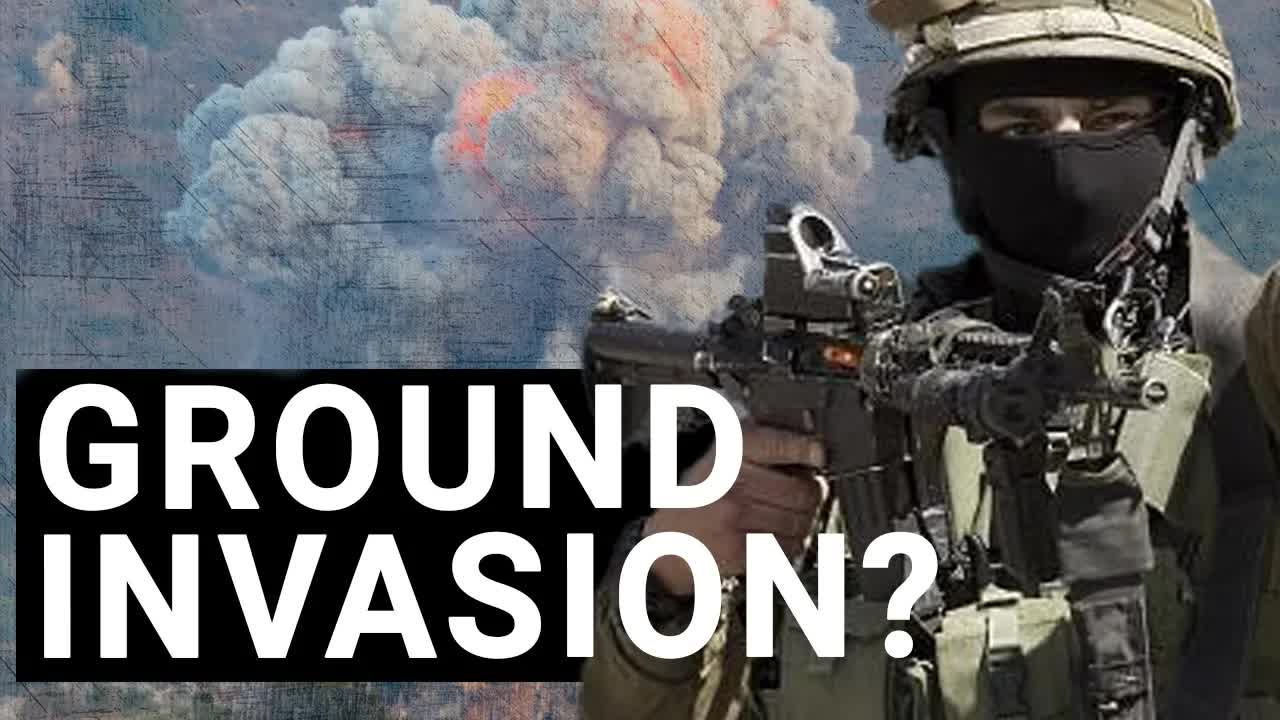
Amid these developments, the specter of a ground invasion by Israeli troops looms.
Many military leaders remember the disastrous outcomes of the 2006 war and are wary of repeating those mistakes.
The potential for a drawn-out conflict in both Gaza and southern Lebanon raises significant concerns about the IDF’s effectiveness and morale.
If Israel were to become entrenched in a lengthy military campaign, it risks exposing vulnerabilities within its ranks.
The necessity to call up reservists could lead to domestic unrest and economic strain, compounding the challenges faced by the Israeli government.
This internal pressure is a crucial factor in their decision-making process.
Despite the rhetoric suggesting a possible limited operation, there are signs that Israel is strategically targeting rocket launchers rather than engaging directly with Hezbollah forces.
This approach aims to diminish Hezbollah’s capabilities without becoming mired in a full-blown ground war.
As tensions continue to simmer, the international community watches closely.
The stakes are high, and the potential for escalation remains ever-present.
The delicate balance of power in the region hangs in the balance, and the choices made in the coming days will have far-reaching implications for all involved.
Read more
