









Tensions in the Middle East are reaching a boiling point as Israel ramps up its military operations against Hezbollah, prompting urgent evacuation orders for civilians in southern Lebanon.
The Israeli government has urged residents to leave areas north of the Litani River, including the provincial capital of Nabatye.
This warning comes amid a significant humanitarian crisis, with over 160,000 individuals fleeing Lebanon for Syria since the onset of intensified military actions, according to the United Nations High Commissioner for Refugees.
As Israel prepares for a potential ground offensive, the situation is drawing attention from international experts.
Dr. Sajjan Gohel, chair of the NATO Counterterrorism Advisory Group, highlights the precarious nature of the conflict.
He notes that the ongoing hostilities between Israel and Hezbollah have escalated since the events of October 7, when tensions flared dramatically.
Despite Israel’s military might, Hezbollah continues to launch rockets across the border, demonstrating its resilience.
The Israeli government’s strategy appears focused on dismantling Hezbollah’s infrastructure, yet history suggests that achieving this goal may be elusive.
Previous military operations in Lebanon have shown that while Israel can inflict damage, completely neutralizing Hezbollah has remained out of reach.
The current escalation raises questions about whether Israel can effectively deter Hezbollah without inadvertently empowering the group further.
Critics of Israel’s operations in Gaza since October 7 have raised concerns about the high civilian death toll.
With these events in mind, observers wonder what lessons Israel may apply in its approach to Lebanon.
The 2006 war with Hezbollah serves as a stark reminder; despite extensive military efforts, Hezbollah emerged more empowered than before.
The challenge for Israel now is to avoid repeating past mistakes that could lead to a similar outcome.
Some analysts suggest that Israel’s current military campaign is fueled by a unique opportunity.
With Hezbollah potentially weakened and Iran facing its own challenges, there is speculation that Israel perceives a chance to make significant gains against its adversaries.
However, the situation remains complex, as Hezbollah’s dependence on Iranian support complicates the dynamics at play.
Israel’s military strategy has included targeted strikes against key Hezbollah leaders, employing sophisticated methods to disrupt the group’s operations.
Yet, the broader implications of these actions cannot be ignored.
Iran’s response, including missile launches toward Israel, highlights the potential for escalation.
As tensions rise, discussions about peace or ceasefires seem increasingly unrealistic.
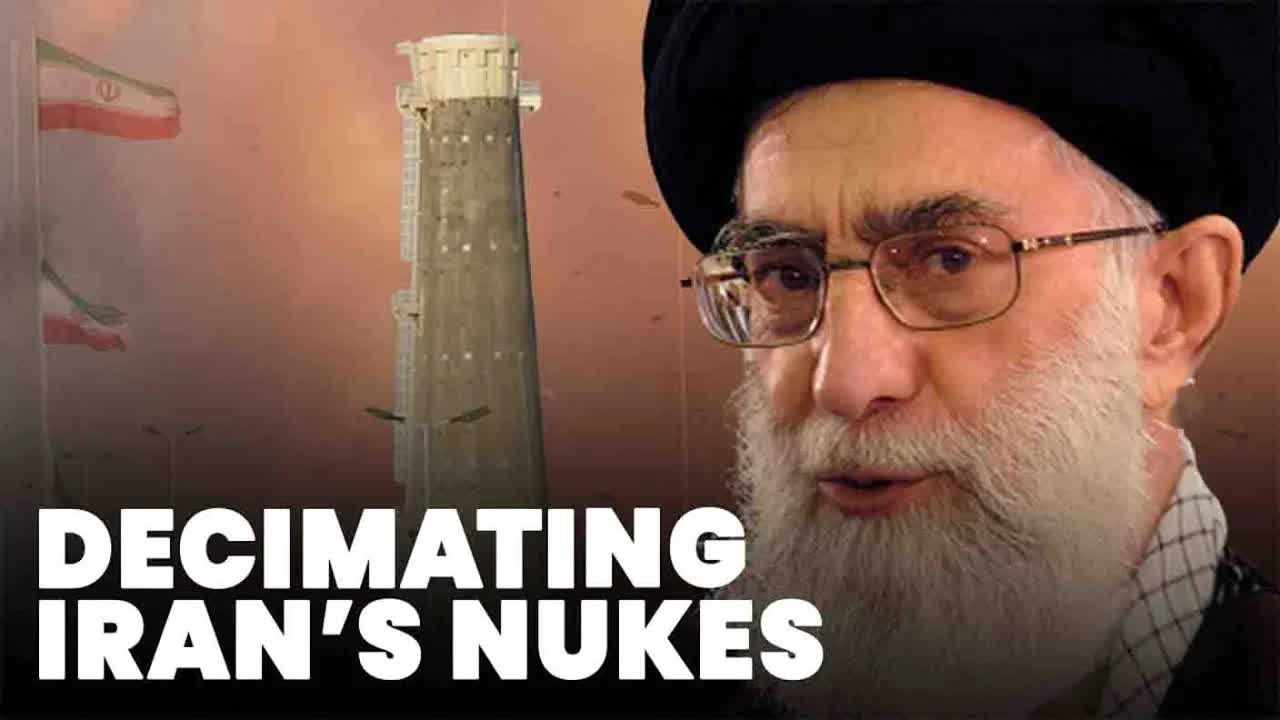
President Biden’s recent remarks cautioning Israel against striking Iran’s nuclear facilities have added another layer to the conversation.
The media has reported on his suggestion to target oil installations instead, which has stirred concerns about rising oil prices.
Critics argue that the U.S. administration’s influence over Israel’s military decisions appears limited, raising questions about the effectiveness of diplomatic efforts in the region.
The possibility of Israel targeting Iran’s nuclear sites poses significant risks.
While some may believe a successful strike could cripple Iran’s nuclear ambitions, the reality is far more complicated.
Past efforts to disrupt Iran’s nuclear program through cyberattacks have proven more effective than outright military strikes.
Any aggressive action carries the potential for unintended consequences, including further destabilization in the region.
As the conflict continues to escalate, the humanitarian situation deteriorates.
The displacement of civilians, both in Lebanon and Gaza, has reached alarming levels.
The strain on resources and infrastructure is palpable, and the calls for a ceasefire grow louder.
Yet, the political will to halt military operations remains elusive, leaving countless lives hanging in the balance.
Prime Minister Netanyahu’s insistence on maintaining a strong security posture reflects the domestic pressures he faces.
The fallout from the October 7 attacks has tarnished his reputation, prompting him to double down on military action against perceived threats.
However, the long-term implications of his decisions remain uncertain, and skepticism abounds regarding the feasibility of achieving lasting peace through military means.
The international community watches closely as the situation unfolds, grappling with the complexities of the conflict.
While Western governments express support for Israel’s right to defend itself, concerns about escalating violence and humanitarian crises persist.
The hope for a peaceful resolution seems distant, overshadowed by the realities of a region fraught with tension and uncertainty.
In this volatile environment, the question remains: how will Israel navigate its military objectives while addressing the profound humanitarian needs arising from the conflict?
As the world looks on, the stakes have never been higher, and the path forward remains shrouded in ambiguity.
Read more
