









Recent reports from U.S. officials have suggested that Israel’s military operations in southern Lebanon will be limited.
However, many experts and analysts are expressing skepticism about this characterization.
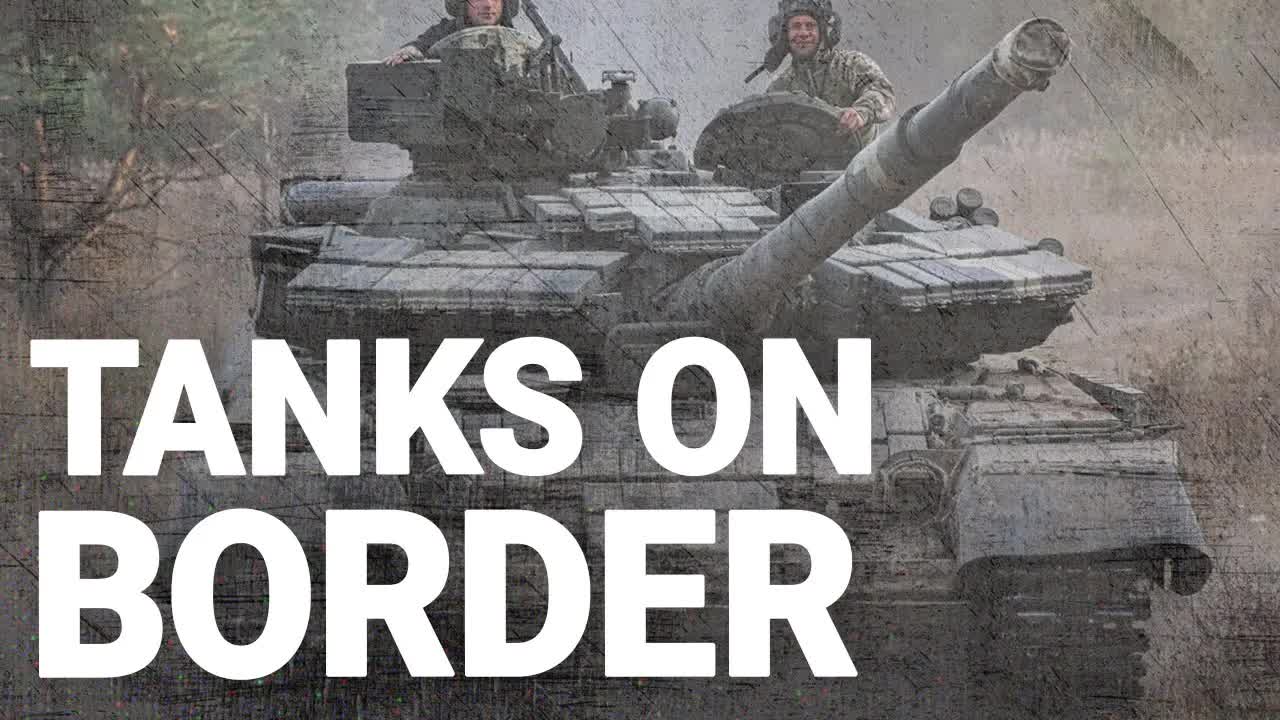
With the Israeli Defense Forces (IDF) reportedly amassing a significant number of tanks along the border, the anticipation of a full-scale invasion appears to be growing stronger by the hour.
In the past few months, the IDF has compiled an extensive target list—referred to as their “target bank”—which identifies hundreds of fortified locations in southern Lebanon.
These sites have either evaded airstrikes or remain accessible to Hezbollah forces.
As tensions escalate, the notion of a “limited operation” seems increasingly implausible, given the scale of military buildup occurring right now.
Eyewitness accounts reveal that an armored division, comprising around 100 tanks, has recently arrived near the border.
This development marks a significant shift in the situation, with reports of intense artillery fire and smoke plumes visible from Kiryat Shmona, a town located just south of the border.
Residents in the area are on high alert as military operations intensify.
Local sources indicate that additional ground forces are gathering in the mountainous regions close to evacuation zones.
Checkpoints have been established, restricting access to those who cannot prove residency.
This move suggests that preparations for a military incursion are well underway, further heightening the sense of urgency.
Looking back at previous conflicts, particularly the last major invasion of Lebanon in 2006, one must consider the potential outcomes if Israeli ground troops cross the border.
Historically, Hezbollah has proven to be a formidable opponent, and any military engagement could result in a prolonged and fierce confrontation.
What are the ultimate objectives behind this possible invasion?
If the goal is to create a secure corridor for Israeli forces, it may entail a lengthy and arduous campaign.
The complexity of the situation is compounded by the extensive network of tunnels utilized by Hezbollah, which complicates any military strategy.
While the full scope of this tunnel system remains unclear, it is evident that these subterranean routes pose a significant challenge for Israeli forces.
The IDF’s target list includes numerous sites south of the Litani River, indicating that they are prepared for a comprehensive assault if necessary.
Adding another layer to this unfolding drama is the political landscape in Israel.
Prime Minister Netanyahu’s government is currently navigating a precarious situation, with his coalition gaining traction amid the ongoing crisis.
Recent developments show that Gideon Saar has joined Netanyahu’s coalition, which bolsters the government’s stability at a critical moment.
This shift is particularly noteworthy given the prior threats from far-right ministers to withdraw support if their demands regarding Gaza resettlement were not met.
However, with Saar’s inclusion, those threats appear to have diminished, allowing Netanyahu to maintain a fragile grip on power.
As the situation continues to evolve, analysts are closely monitoring both military and political maneuvers.
The timing of these developments raises questions about Netanyahu’s motivations and whether the military buildup is meant to distract from domestic issues or to bolster his standing among supporters.
Meanwhile, on the ground, the human toll of the conflict is becoming increasingly apparent.
Reports from individuals affected by the violence paint a harrowing picture of loss and despair.
Many express feelings of helplessness as they witness destruction and suffering, emphasizing the urgent need for a resolution to the ongoing hostilities.
Amidst the chaos, the voices of those directly impacted resonate loudly.
The emotional weight of their experiences underscores the dire reality faced by civilians caught in the crossfire.
As the world watches, the need for peace and stability in the region has never been more pressing.
In light of these developments, the international community must remain vigilant and engaged.
The potential for escalation looms large, and diplomatic efforts are essential to prevent further bloodshed.
As tensions rise, the hope for a peaceful resolution hangs in the balance, leaving many to ponder what the future holds for Israel and Lebanon.
Read more
