









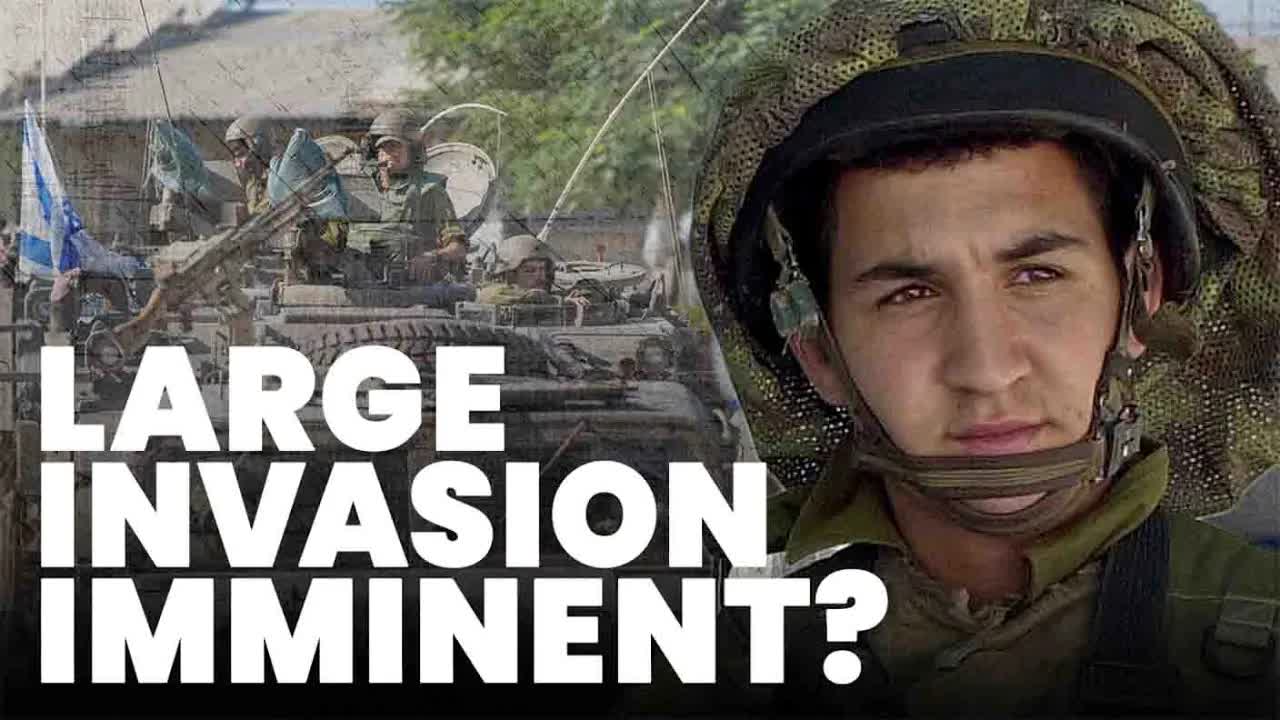
As the conflict in Lebanon intensifies, the landscape is marked by a stark contrast to the situation in Gaza.
While civilians in Gaza find themselves trapped amid ongoing violence, many residents in southern Lebanon have fled, leaving behind a haunting emptiness.
The Lebanese Armed Forces have retreated several miles, while the United Nations Interim Force in Lebanon (UNIFIL) maintains its presence, positioned between the Israeli Defense Forces (IDF) and Hezbollah.
This morning, the situation remains precarious.
The IDF continues to assert that their actions constitute a limited incursion into Lebanese territory.
However, the military buildup suggests otherwise.
Reports indicate that Israeli forces are poised to advance deeper into Lebanon, confronting Hezbollah’s first line of defense.
UNIFIL’s facilities are located in these contested areas, increasing the risk of clashes.
In a recent update, an IDF spokesperson highlighted the complexities of operating near UNIFIL posts.
They stressed the importance of communication with UNIFIL when engaging with Hezbollah fighters, who often launch attacks from civilian areas.
This reality complicates the operational landscape, as Israel aims to minimize civilian casualties while targeting militant positions.
The current ground invasion has now reached its 16th day, and insights from the field reveal that areas previously marked by intense fighting during the 2006 war are seeing less resistance this time around.
The IDF has made significant territorial gains, encountering minimal opposition as they push forward.
However, Hezbollah remains vigilant, regrouping on the outskirts of these newly occupied zones.
One notable difference in this conflict compared to Gaza is the absence of a civilian population in the immediate battle zones.
Many families have already evacuated, leaving behind a war-torn landscape dominated by combatants.
Unlike the urban centers of Gaza, which are crowded with civilians, southern Lebanon appears largely deserted, with combatants facing off against one another.
As the IDF continues its operations, the humanitarian implications are severe.
Reports indicate that over 1.4 million people have been displaced within Lebanon due to the ongoing violence.
While some residents have sought refuge in cities or the northern regions, many remain reluctant to abandon their homes, clinging to their livelihoods amidst the chaos.
Louise Callaghan, a correspondent for the Sunday Times, recently reported from southern Lebanon, shedding light on the dire conditions faced by those who have fled.
She described the eerie silence in once-vibrant villages now rendered ghost towns, where the aftermath of bombardment is palpable.
The devastation extends beyond physical structures; it encompasses the very fabric of community life.
Callaghan observed that while the IDF claims a limited operation, the reality on the ground tells a different story.
Vast areas of Lebanon have become uninhabitable, with communities shattered and crops dying in the fields.
The stark contrast between the mapped boundaries of conflict and the lived experience of displacement highlights the extensive toll of warfare.
In her report, Callaghan emphasized the urgent need for humanitarian assistance.
Organizations are striving to provide support to displaced individuals, but the resources available fall short of the overwhelming demand.
With many seeking shelter in schools, mosques, and churches, the risk of disease and hunger looms larger each day.
Lebanon’s existing economic crisis, exacerbated by past disasters, has left the government ill-equipped to handle the current influx of displaced persons.
As communities grapple with the consequences of war, feelings of abandonment and despair grow, compounded by a lack of adequate aid and support.
The plight of those remaining in southern Lebanon serves as a poignant reminder of the human cost of conflict.
While some residents endeavor to maintain their livelihoods, the specter of violence hangs heavy in the air, casting a long shadow over the future of this beleaguered nation.
Read more
