









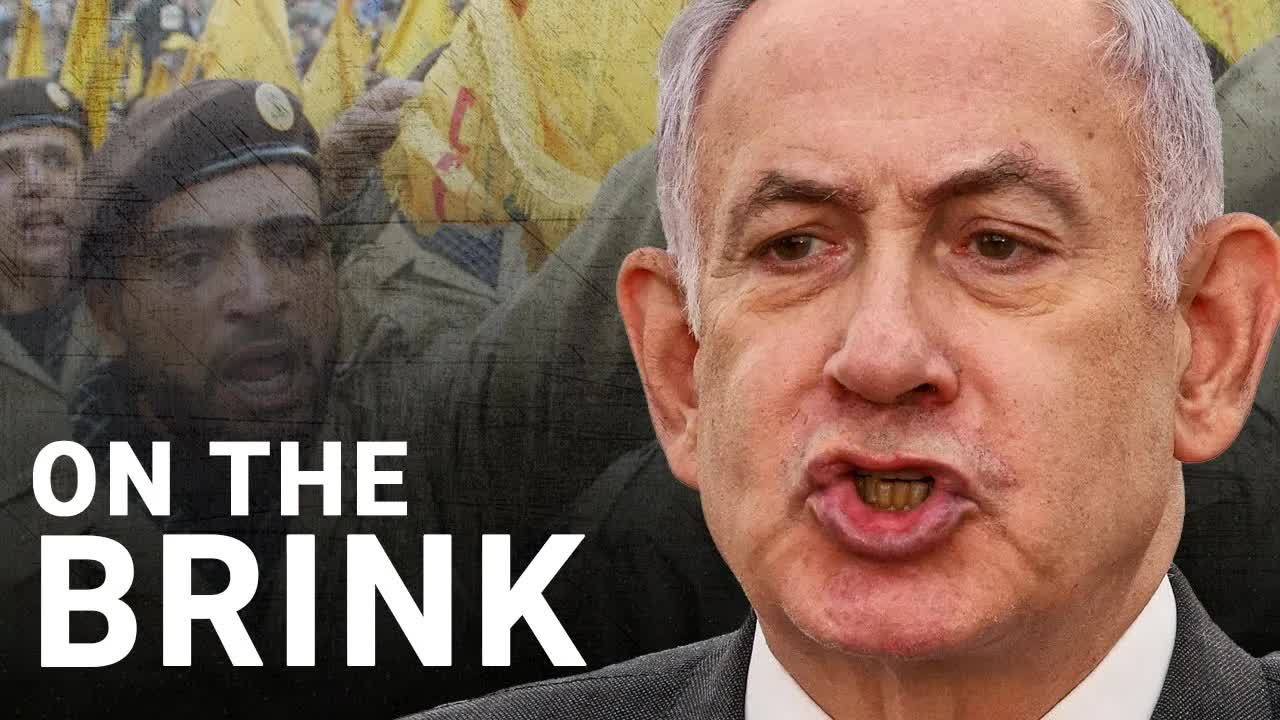
In a dramatic escalation of hostilities, the conflict between Israel and Hezbollah is intensifying, raising fears of a broader regional war.
Israel has reportedly targeted over 100 Hezbollah rocket sites in Lebanon, a move that comes amidst serious concerns about the potential for increased violence in the already volatile Middle East.
Hezbollah’s leader, Hassan Nasrallah, has responded vehemently, declaring that recent attacks—specifically the deadly explosions linked to pagers and walkie-talkies in Beirut—have crossed unacceptable boundaries, amounting to a declaration of war.
The situation in Lebanon remains tense following these explosions, which have left the nation grappling with shock and anger.
Lebanese journalist Nadine Majdoub emphasizes the emotional toll these events have taken on the country, highlighting a sense of collective trauma as the populace processes the implications of such attacks.
With both sides on high alert, the potential for retaliation looms large.
Richard Spencer, an experienced Middle East correspondent, notes the strategic timing of Israel’s military actions, suggesting they were designed to coincide with Nasrallah’s speeches.
The low-flying jets over Beirut served not only as a show of force but also as a direct message to Hezbollah and its supporters: Israel is watching closely and will not be deterred by threats or rhetoric.
The Israeli military’s ongoing debate regarding a ground invasion into Lebanon reflects the complex dynamics at play.
With multiple adversaries surrounding Israel, including Hamas in Gaza and hostile militias in Syria, military leaders are weighing the risks of addressing these threats simultaneously versus tackling them one at a time.
The recent uptick in Hezbollah’s aggressive posture has prompted some Israeli generals to advocate for a more decisive military response.
However, opinions within the Israeli military are divided.
While soldiers express eagerness to confront Hezbollah head-on, generals appear more cautious, mindful of the potential fallout from a full-scale invasion.
This hesitation suggests a recognition of the high stakes involved, particularly given the international scrutiny Israel faces when engaging in military operations that result in civilian casualties.
As the situation unfolds, it becomes clear that Hezbollah is under significant pressure to respond effectively.
The organization must demonstrate its strength not only to Israel but also to its own supporters.
The humiliation of recent attacks—targeting Hezbollah operatives in their everyday lives—poses a challenge for the group, which must now reassess its strategies and tactics moving forward.
Oliver Marsden, reporting from Beirut, paints a vivid picture of the atmosphere on the ground, where fear and uncertainty reign.
Many residents, particularly those living near the strikes, are contemplating evacuation as they grapple with the reality of living in a war zone.
The mixed opinions about Hezbollah among the Lebanese populace reflect a complex relationship, where support often hinges on perceptions of security and resistance against Israeli aggression.
Despite the chaos, daily life in some parts of Beirut appears to carry on, showcasing the resilience of the Lebanese people.
However, the underlying tension is palpable, as many citizens remain acutely aware of the precariousness of their situation and the potential for further escalation.
The fear of being drawn into a larger conflict looms over the city, with many questioning how long they can maintain a semblance of normalcy amidst the turmoil.
As the U.S. government engages in diplomatic efforts to quell the violence, the stakes remain high.
Secretary of State Antony Blinken has urged restraint from all parties, emphasizing that the detonations in Lebanon threaten to derail ongoing negotiations aimed at achieving peace in the region.
Meanwhile, United Nations officials echo these sentiments, warning that the current trajectory could lead to a dramatic escalation of hostilities.
Hezbollah’s ability to retaliate remains a critical question.
The group has a formidable arsenal, bolstered by Iranian support, and despite the recent losses, it retains significant military capabilities.
Analysts suggest that while the assassination of key commanders is a blow, Hezbollah’s infrastructure is resilient enough to absorb these hits and continue its operations.
In the wake of these events, the mood among Hezbollah members and supporters is one of anger and determination.
As the group vows to retaliate against Israeli strikes, the potential for a broader confrontation grows ever more likely.
The complexities of this conflict illustrate the intricate web of alliances and animosities that define the region, making the path to peace seem increasingly elusive.
With tensions running high and both sides preparing for potential escalation, the coming days will be crucial in determining the trajectory of this conflict.
The world watches closely as the situation evolves, hoping for a resolution that can avert further bloodshed and restore stability to a region long plagued by violence and strife.
Read more
