




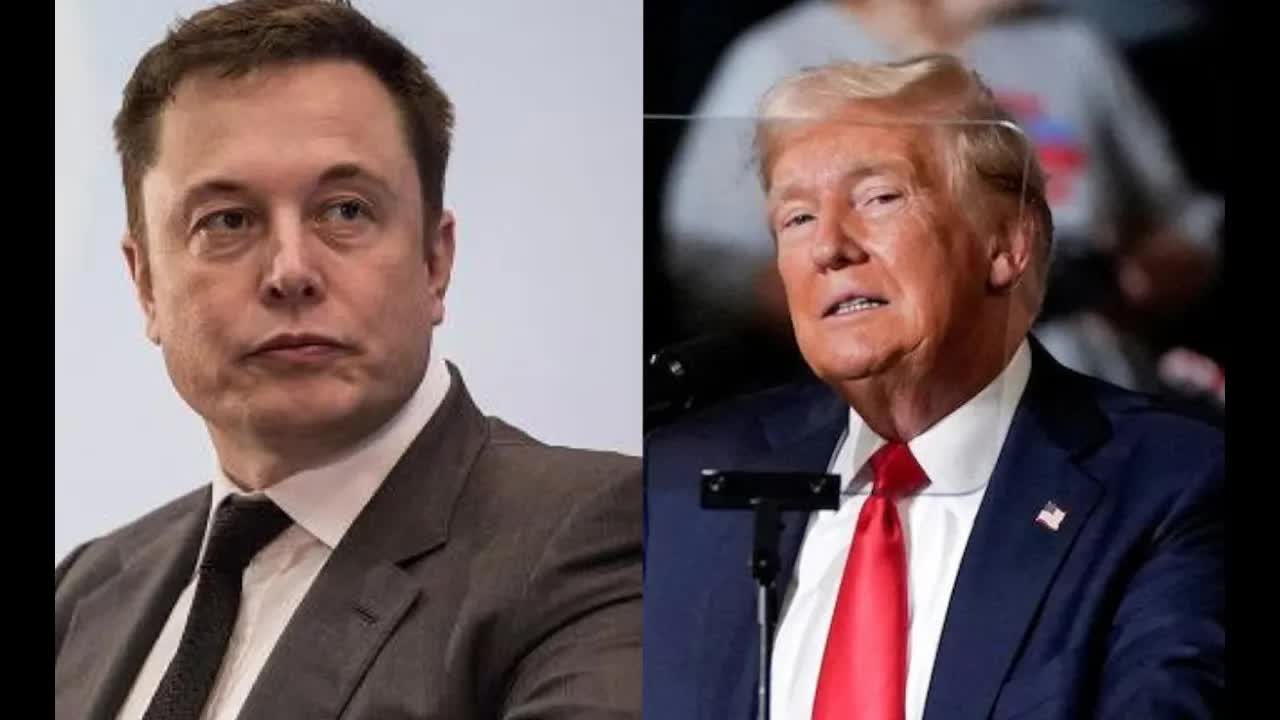
In a surprising turn of events, Philadelphia’s District Attorney has filed a civil lawsuit against billionaire entrepreneur Elon Musk.
The lawsuit centers around allegations that Musk is operating an illegal lottery, raising serious questions about his compliance with Pennsylvania’s lottery and consumer protection laws.
This case is intriguing for various reasons.
It not only delves into the legality of lotteries but also touches on broader issues of consumer protection.
Essentially, the D.A.
argues that Musk’s operations resemble an unlawful numbers racket, similar to running a dice game or an underground betting operation.
Such activities are strictly prohibited by law, and the local authorities are taking action to address this potential violation.
Musk’s America PAC, which oversees the controversial raffle, has responded defiantly to the lawsuit.
A spokesperson linked to the PAC shared a social media post showcasing the latest winner of a one million dollar prize, seemingly dismissing the seriousness of the allegations.
This reaction raises eyebrows—does Musk believe he can continue such activities without repercussions?
It’s worth noting that while this lawsuit is civil in nature, it doesn’t rule out the possibility of criminal charges down the line.
Experts suggest that Musk should heed the warnings from legal authorities rather than doubling down on his current course of action.
Ignoring legal advice could lead to more significant troubles, especially given the potential overlap with federal laws prohibiting vote buying and other similar offenses.
One might wonder why someone as wealthy and influential as Musk would take such risks.
Could it be that he’s banking on political outcomes that might shield him from accountability?
Speculation abounds that Musk is counting on a favorable political climate, perhaps hoping that former President Donald Trump’s influence could mitigate any legal challenges he faces.
This notion of being “too big to fail” is troubling.
Imagine a small-time gambler running an illegal operation out of their garage; they would likely face swift legal action.
Yet, Musk’s high-profile status seems to afford him a different level of scrutiny—or lack thereof.
This disparity raises questions about how the legal system treats wealthy individuals compared to everyday citizens.
Public sentiment is shifting, particularly regarding perceived immunity among the elite.
People are frustrated when they see high-profile figures evade consequences for actions that would land ordinary individuals in jail.
The disparity in treatment can foster resentment and calls for accountability.
As the election season heats up, the implications of Musk’s alleged lottery scheme could be significant.
While some speculate whether his actions will deter voters or impact the election outcome, many experts believe that Musk’s influence is overstated.
His activities might garner attention, but they are unlikely to sway the election results significantly.
However, the underlying issue remains: consumer protection.
States implement lottery laws not just to regulate gambling but to safeguard individuals from fraud.
Many participants may unwittingly provide personal information under the impression they are entering a legitimate contest, unaware of the potential risks involved.
The question then arises: why are local district attorneys stepping in where federal agencies seem hesitant?
This situation reflects a broader concern about the pace and effectiveness of the Department of Justice.
Critics argue that the DOJ has been slow to act, especially concerning cases stemming from events like January 6th.
While it may be easy to criticize the DOJ’s inaction, it’s essential to recognize the efforts of local legal teams working diligently to uphold voting rights and ensure fair elections.
For instance, one legal firm is currently managing dozens of cases across multiple states, striving to protect the integrity of the electoral process.
The ongoing legal battles surrounding voting rights highlight the crucial role that local authorities play in maintaining democracy.
As we approach the election, the actions taken now will have lasting implications.
The public will be watching closely to see how these legal challenges unfold and what they mean for the future of electoral integrity in the United States.
Read more
