







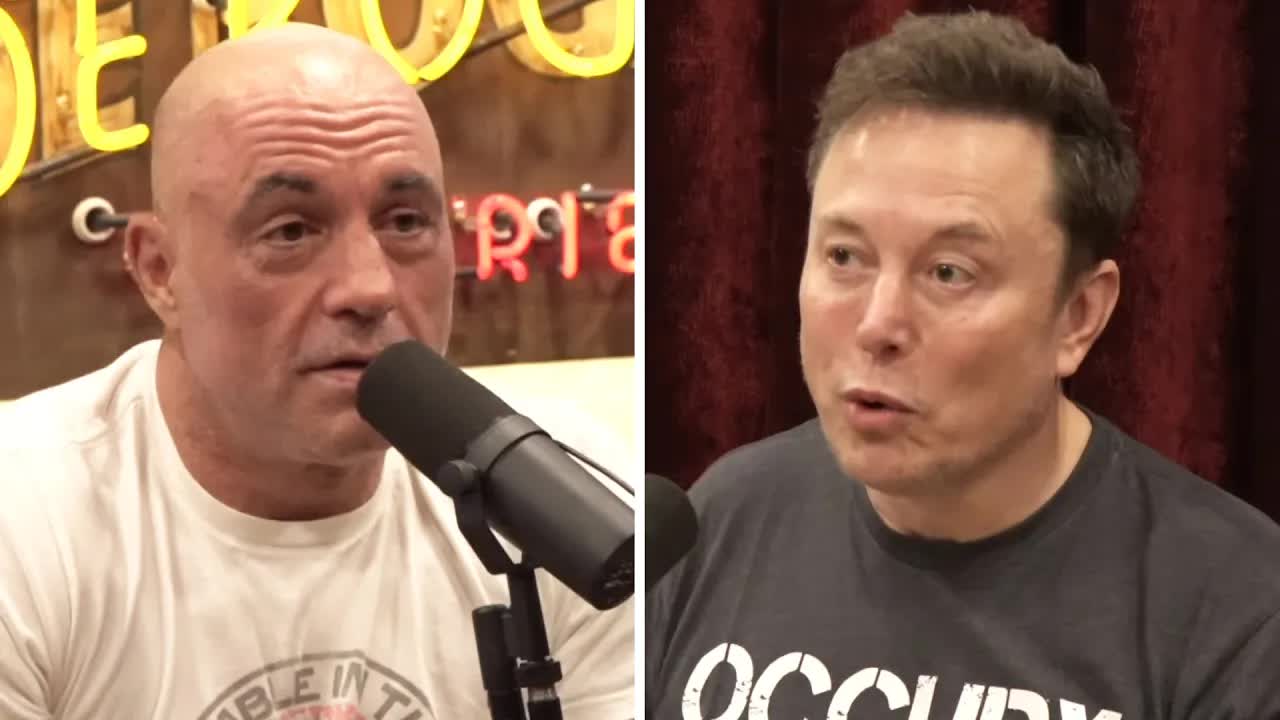
In a surprising turn of events, Elon Musk made waves with his recent appearance on the Joe Rogan Experience podcast just before today’s pivotal election.
Rogan’s endorsement of Donald Trump has sparked considerable debate, particularly as he shifts from his earlier left-leaning stance to support the former president.
The transformation is noteworthy; this is a man who once identified with Bernie Sanders but now aligns himself with Trump, raising eyebrows across the political spectrum.
Rogan took to X to share his thoughts on the interview, praising Musk as “the great and powerful Elon Musk.” He emphasized that without Musk’s influence, the situation would be dire, stating that Musk presents one of the most compelling arguments for supporting Trump.
It’s clear that Rogan’s endorsement is genuine, and he expressed his alignment with Musk’s views throughout their discussion.
This shift in Rogan’s political allegiance has left many questioning the reasons behind it.
Is it the Texas environment that’s influencing him?
Living in a state where Republican figures like Governor Greg Abbott hold sway could certainly play a role.
Or perhaps there are personal motivations, such as a desire for specific tax reforms.
Regardless of the reason, Rogan’s support for Trump marks a significant change in his political narrative.
During the lengthy podcast episode, one segment stood out: Musk’s dramatic assertion that if Trump loses, it would spell disaster.
He painted a hyperbolic picture, claiming that a Democratic victory would lead to rampant immigration policies that could transform swing states into replicas of California.
This kind of rhetoric often raises questions about its validity and the implications it carries for voters.
Musk’s comments have a flair for the dramatic, with phrases like “this is it” and “your future depends on it” resonating with listeners.
His urgency suggests that he believes this election is a do-or-die moment for the country.
But one can’t help but wonder: does this level of alarmism really reflect the reality of the situation?
Interestingly, Musk’s comparison of a potential Democratic win to California’s conditions might not resonate negatively with everyone.
While critics often highlight California’s crime rates, Musk argues that overall crime is declining.
With a population of 40 million, some level of crime is inevitable, but the narrative around California’s safety may often be exaggerated.
He further contends that if every state mirrored California’s dynamics, the United States would be an intellectual and economic powerhouse.
Imagine a nation where each state is as productive and innovative as California—wouldn’t that be something to aspire to?
The idea challenges the prevailing notion that California is a cautionary tale rather than a model for success.
Of course, the cost of living in California is a hot topic.
Musk acknowledges that housing prices are steep, but he points out that this is a result of high demand.
In contrast, rural areas might offer cheaper real estate due to lower interest from potential residents.
This discrepancy highlights the complex factors influencing real estate markets across the country.
While Musk’s vision of a unified, prosperous America may seem utopian, it’s essential to recognize the underlying issues, such as the rising cost of living.
These challenges are real and impact many Americans.
Yet, Musk’s perspective invites a broader discussion about what the future could hold if the U.S. embraced innovation and collaboration.
As Musk and Rogan rally behind Trump, we’re left to ponder the implications of their endorsements.
Will this sway public opinion or mobilize voters in unexpected ways?
The coming hours will reveal the answer as the election unfolds.
In a related note, Trump recently expressed confidence that his supporters would remain peaceful during the election, casting the left as the true source of potential unrest.
This assertion, however, has been met with skepticism, particularly given past instances where Trump hinted at using military force against American citizens.
The dichotomy between these statements raises critical questions about the current political climate.
For those seeking a deeper understanding of the news, tools like Ground News offer valuable insights.
This platform provides context and exposes biases within media narratives, ensuring readers grasp the full spectrum of any story.
With the election upon us, such resources are invaluable for navigating the complexities of today’s political landscape.
Read more
