


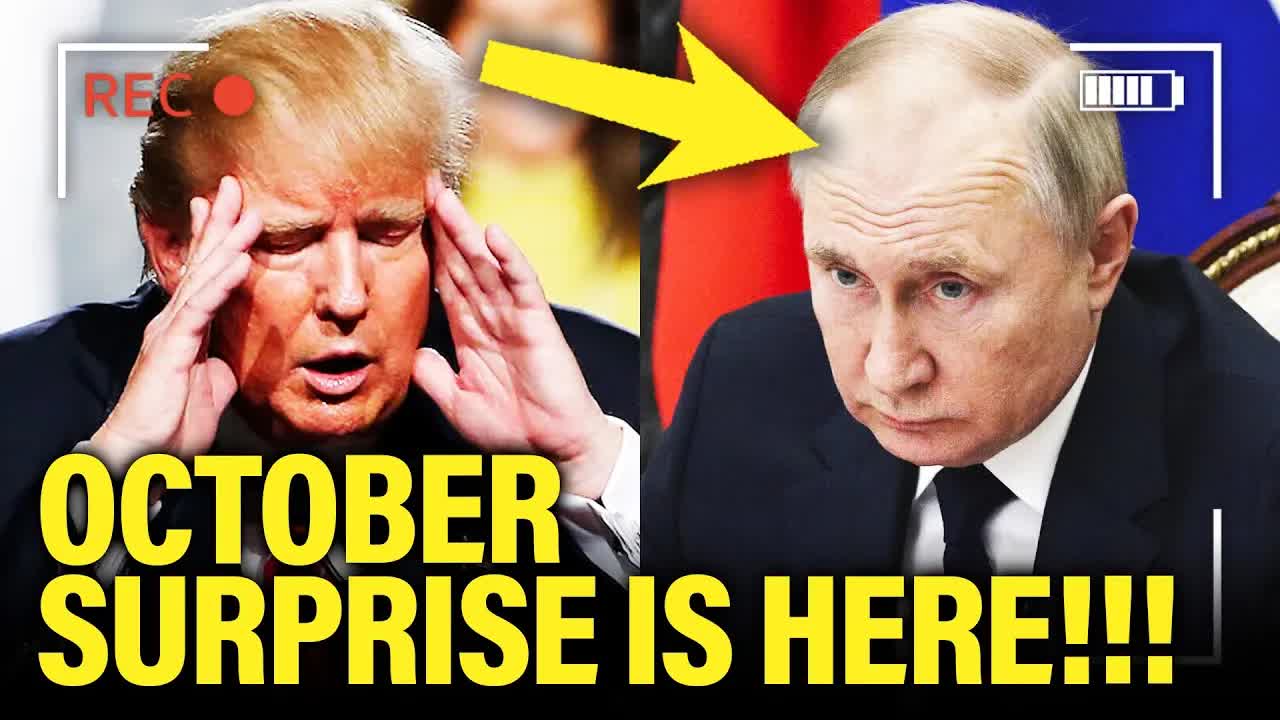
In a startling revelation, former President Donald Trump has reportedly maintained secret communications with Russian President Vladimir Putin since leaving office.
This information comes from a new book by renowned journalist Bob Woodward, who has been in discussions with Trump’s former aides.
The book suggests that while many Americans struggled to secure COVID-19 tests during the pandemic, Trump was allegedly sending these crucial resources to Putin, raising eyebrows and questions about his priorities during a national crisis.
According to Woodward’s findings, there have been multiple phone calls—possibly as many as seven—between Trump and Putin since Trump vacated the White House in January 2021.
Ian Sams, an aide to Vice President Kamala Harris, highlighted these revelations, indicating that Trump has indeed kept in touch with the Russian leader.
This news has reignited discussions about Trump’s ties to Russia and his approach to foreign policy.
Despite Trump’s tendency to dismiss concerns about his relationship with Russia, he has made statements that suggest otherwise.
In a recent appearance on The Mark Levin Show, Trump acknowledged his conversations with Putin, hinting at a connection that contradicts his public denials.
He recounted discussions about the “Russia hoax,” implying that the narrative surrounding his presidency was fabricated and hindered potential cooperation with Russia.
At a recent Conservative Political Action Conference (CPAC), Trump reiterated his favorable view of Putin, stating, “I talk to Putin a lot; I get along with him well.” Such comments have raised alarms among critics, who argue that Trump’s rhetoric often mirrors Russian propaganda.
His admiration for Russia’s historical military victories, including defeating Hitler and Napoleon, has drawn skepticism regarding his understanding of international relations.
Trump’s past speeches reveal a pattern of praising Russia and downplaying its aggressive actions.
In a speech in Savannah, Georgia, he emphasized Russia’s military prowess, suggesting that they are formidable fighters.
These remarks seem to glorify a nation often viewed as a geopolitical adversary, further complicating Trump’s legacy and stance on foreign alliances.
Moreover, Trump has claimed that he was tough on Russia, citing Putin’s own words.
He stated, “Putin said, if you’re not tough now, I’d hate to see you if you were tough.” This statement raises questions about the authenticity of Trump’s tough-on-Russia narrative, especially when juxtaposed with his ongoing communications with Putin.
A recent moment involving Trump and Ukrainian President Volodymyr Zelensky also underscores the complexity of his foreign relations.
During a meeting, Trump expressed confidence in resolving issues with Putin, highlighting his self-proclaimed ability to foster good relations.
This perspective starkly contrasts with the prevailing sentiment among American officials regarding Russia’s intentions.
In a controversial move, Trump congratulated Putin following a prisoner swap deal involving Evan Gerskovich, a Wall Street Journal reporter detained in Russia.
Rather than celebrating the return of an American citizen, Trump praised Putin for orchestrating the deal, further blurring the lines between loyalty to his country and admiration for the Russian president.
Reflecting on Trump’s previous actions, it’s worth noting that upon taking office, he welcomed top Russian officials into the White House and shared classified information.
This incident has been widely reported and criticized, yet Trump has consistently defended his actions, claiming he had the right to share information pertaining to terrorism and airline safety.
Vice President Kamala Harris recently addressed the implications of Trump’s actions in an interview, framing the upcoming election as a contest between strength and weakness.
She characterized Trump’s behavior as indicative of a weak leader who fails to defend American interests and alliances.
This perspective resonates with many who view Trump’s connections with Russia as a concerning aspect of his presidency.
The narrative surrounding Trump and Putin continues to evolve, with Trump’s team vehemently denying any inappropriate connections.
However, the evidence presented in Woodward’s book and Trump’s own statements raise significant questions about his influence and motivations.
As the political landscape shifts, voters must consider these revelations when evaluating leadership qualities and foreign policy approaches.
As this story unfolds, it serves as a reminder of the complexities and challenges inherent in international relations.
The ramifications of Trump’s communications with Putin could have lasting effects on America’s global standing and its relationships with allies.
Understanding these dynamics is crucial for informed decision-making as the nation approaches a pivotal election cycle.
Read more
