






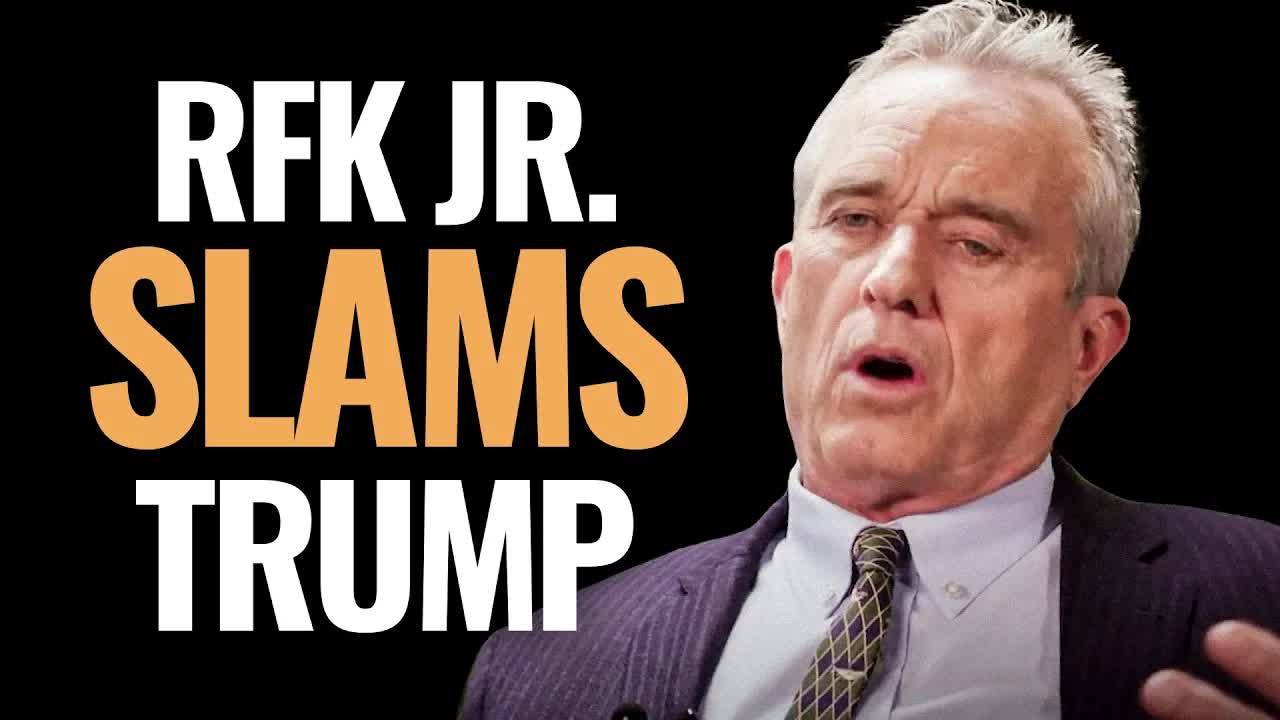
The ongoing discourse surrounding President Donald Trump has sparked a heated debate about the state of American democracy and its global implications.
Critics argue that his leadership has tarnished the image of self-governance in the United States, raising eyebrows internationally.
When viewed from afar, particularly in nations like China, one might wonder why they would ever consider adopting an American-style government given the current political climate.
Imagine being in a foreign capital, observing the chaotic political landscape in the U.S. It’s hard to see how anyone could be inspired to emulate a system that has produced a leader who seems disengaged from intellectual pursuits and lacks a thoughtful approach to pressing issues.
This perception is troubling, especially when Trump appears to wield the tools of demagoguery with alarming effectiveness.
Take a moment to reflect on the legacy of past leaders.
In cities across the globe, you’ll find boulevards named after John F. Kennedy, a testament to the affection many nations hold for America.
His presidency symbolized hope and cooperation, enhancing America’s stature on the world stage.
Now, fast-forward to today—where can you find a street named after Donald Trump?
The absence speaks volumes about how his tenure is viewed internationally.
It’s not just about names on streets; it’s about the larger implications of his presidency.
Many believe that Trump’s actions have inadvertently bolstered authoritarian regimes worldwide by showcasing what they perceive as the failures of democracy.
Read more
