






In a candid discussion, prominent Democratic figures, including Michigan State Democratic Party Chair LaVora Barnes, Pennsylvania State Senator Marty Flynn, and legal analyst Charles Coleman, addressed the growing disconnect between the Democratic Party and Black male voters.
The conversation was sparked by recent comments made by former President Barack Obama, who emphasized the need for men to reject toxic masculinity and support Democratic values.
Coleman, who penned a thought-provoking essay for The New York Times titled “Black Men Are Waiting for a Democratic Party That Delivers for Them,” highlighted the specific challenges faced by Black males under 50.
He pointed out that this demographic is grappling with a lack of promising prospects, feeling sidelined in various societal metrics.
He expressed disappointment with how Obama framed the conversation, suggesting that dismissing their concerns as mere excuses would not foster the necessary support from this crucial voter bloc.
When asked what he would have preferred Obama to say, Coleman stressed the importance of acknowledging legitimate grievances.
He argued that recognizing these issues and outlining concrete plans to address them could energize Black male voters, rather than perpetuating a narrative of blame or inadequacy.
He called for a forward-looking dialogue that inspires motivation rather than doubt.
LaVora Barnes echoed these sentiments, sharing insights from her grassroots efforts across Michigan.
She emphasized the importance of engaging with communities beyond Detroit, noting that Black residents are spread throughout cities like Flint, Pontiac, and Saginaw.
The Michigan Democratic Party has been actively reaching out to smaller churches and local venues to foster discussions about the upcoming election and the stakes involved, particularly regarding the candidacies of Kamala Harris and Donald Trump.
Barnes highlighted the significance of being present in neighborhoods, stating that their outreach has been well-received.
However, she acknowledged that merely showing up is not enough; voters are seeking resonant messages that speak directly to their needs and aspirations.
Many are looking for that one compelling soundbite that encapsulates their hopes for the future.
In Pennsylvania, Senator Marty Flynn discussed the cultural battles at play, particularly in relation to masculinity and the Republican narrative.
He reiterated Obama’s message that true strength does not stem from bullying or disparaging others, but rather from integrity and respect.
Flynn noted that many voters are increasingly aware of the Republican Party’s attempts to redefine masculinity through a lens of hate and division, which is not resonating with those who seek unity and progress.
As the conversation shifted to the ground game, Flynn expressed optimism about Democratic engagement in his district.
He reported a surge of enthusiasm among Democratic voters since Harris became the presumptive nominee.
With a strong focus on mail-in ballots, Democrats are outperforming Republicans in voter registrations in certain areas, indicating a potential shift in momentum.
However, challenges remain, especially in regions where Republicans have gained a voter registration edge.
Flynn and his team are working tirelessly to mobilize support and counteract any losses.
The stakes are high, and they recognize the importance of maintaining momentum as the election approaches.
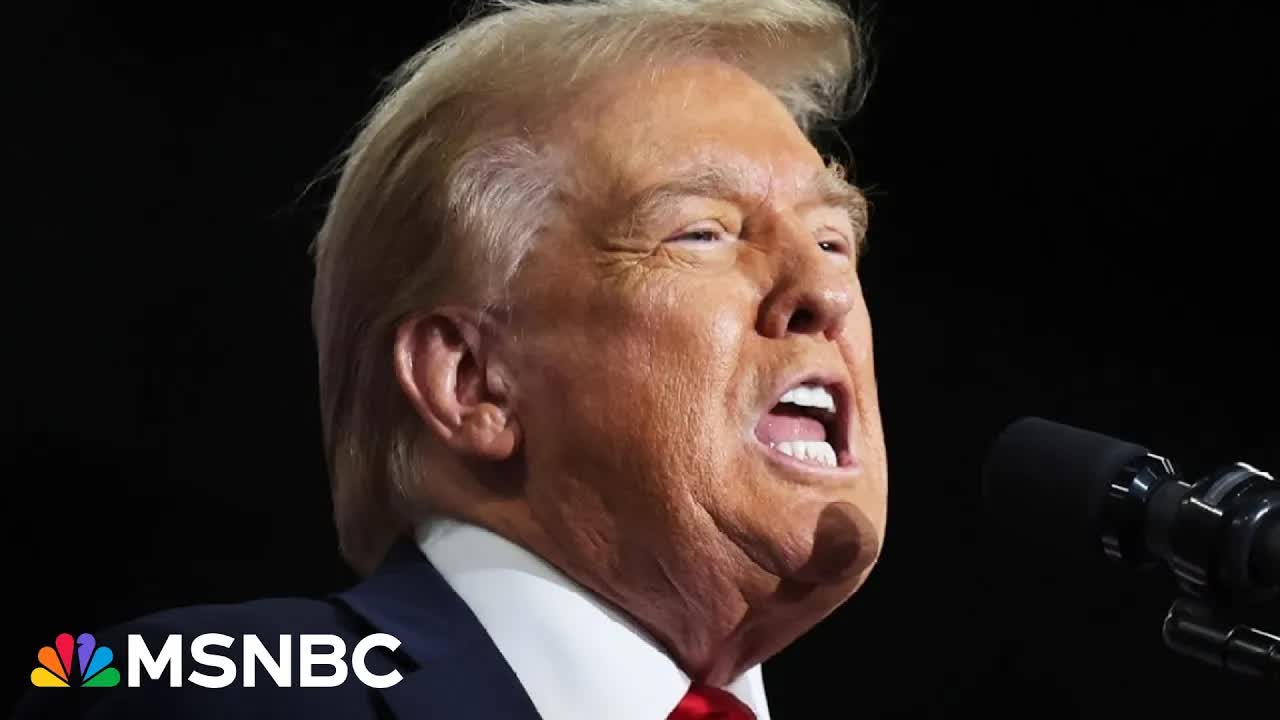
The discussion also touched on Trump’s recent disparaging remarks about Detroit, which ignited anger among local residents.
Barnes asserted that such comments reveal a fundamental misunderstanding of the city and its ongoing revitalization.
She emphasized that Detroit is experiencing a resurgence, with jobs and businesses returning, contrasting sharply with Trump’s negative portrayal.
Coleman weighed in on Trump’s rhetoric, questioning the former president’s mental acuity when he chooses to attack a city while standing in its midst.
He remarked that such statements raise serious concerns about Trump’s fitness for office, especially given the blatant bigotry underlying his comments.
The group agreed that Trump’s approach only serves to alienate voters further.
As the conversation wrapped up, it was clear that the Democratic Party faces significant challenges in bridging the gap with Black male voters.
Engaging authentically, addressing their concerns, and presenting a compelling vision for the future will be crucial as the election draws near.
The urgency is palpable, and both party leaders and grassroots activists are determined to make their voices heard.
Read more
