








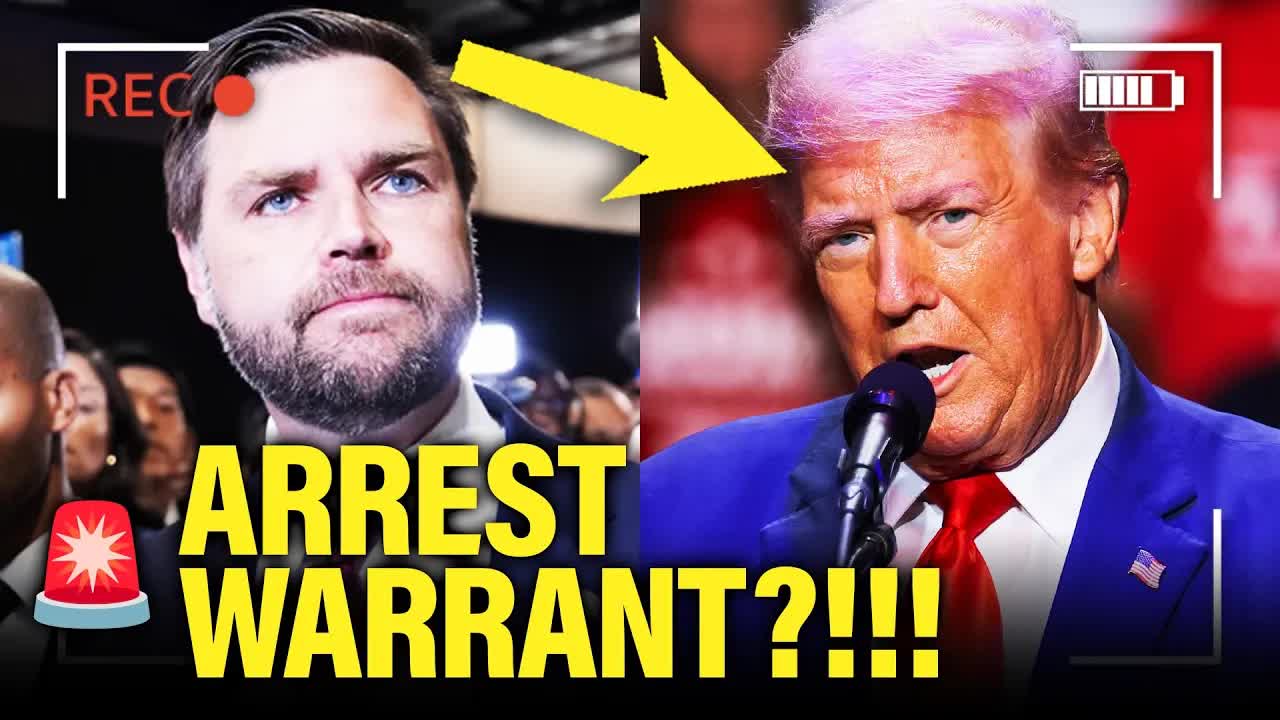
In a startling development, criminal charges have been filed against Donald Trump and J.D.
Vance, stemming from their inflammatory remarks directed at the Haitian community in Springfield, Ohio.
This unprecedented move comes as a response from the Haitian Bridge Alliance, a nonprofit organization that has taken the initiative to seek justice under Ohio’s unique legal framework, allowing private citizens to file charges in municipal court.
The legal basis for these charges is rooted in Ohio Code 2935.09D.
This statute empowers individuals with knowledge of specific facts to submit an affidavit to a municipal court judge, who then reviews the allegations to determine if they warrant prosecution.
The Haitian community, feeling increasingly marginalized and threatened, decided it was time to take action.
They enlisted the help of a law firm to navigate this process and make their voices heard.
The charges against Trump are serious.
They include accusations of disrupting public services by instigating widespread threats that caused significant turmoil in Springfield.
Additionally, he is accused of making false claims that incited panic within the community, including bizarre assertions about immigrants harming pets.
Such statements have not only alarmed residents but have also led to a toxic atmosphere of fear and hostility towards the Haitian population.
Among the more alarming allegations is that of aggravated menacing, where Trump allegedly made intimidating statements aimed at the Haitian community.
This includes his suggestion that immigrants, many of whom are working legally in Springfield, should be deported to Venezuela.
This rhetoric is particularly distressing given that many Haitians were invited to work in the area to fill labor shortages following the pandemic.
It’s essential to understand the context of these charges.
The Haitian community in Springfield is composed of individuals who arrived legally, often through programs designed to address labor shortages in local industries.
Yet, instead of being welcomed, they find themselves at the center of a political storm fueled by fearmongering and misinformation.
At a recent debate, Trump made incendiary comments about the Haitian community, claiming they were responsible for pet disappearances in Springfield.
Such unfounded allegations have been categorically denied by local officials, who confirm there are no credible reports supporting these claims.
The city manager underscored that the community has been largely accepting of its Haitian residents, contradicting Trump’s narrative.
J.D.
Vance, too, has been implicated in this controversy.
At various public events, he has echoed similar sentiments, perpetuating harmful stereotypes about Haitian immigrants.
His remarks have drawn criticism for targeting vulnerable populations rather than addressing the real issues facing American communities today.
The procedural route taken by the Haitian Bridge Alliance is noteworthy.
While this is not a grand jury indictment, it highlights a significant avenue for community members to seek accountability.
The process involves sworn affidavits, which must be substantiated with factual evidence, ensuring that the claims made are not taken lightly.
As the situation unfolds, both Trump and Vance will likely attempt to defend their statements as part of their political discourse.
However, the implications of their rhetoric extend beyond mere words; they have real-world consequences for the lives of those targeted.
The Haitian community, which contributes significantly to the local economy, finds itself under siege, facing threats and harassment.
This case raises important questions about the limits of free speech and the responsibility that public figures bear when discussing marginalized communities.
The First Amendment does protect speech, but it does not grant individuals the right to incite violence or spread dangerous misinformation.
As the municipal court prepares to review the affidavits, the outcome remains uncertain.
However, the actions taken by the Haitian Bridge Alliance signal a growing unwillingness to tolerate hate speech and discrimination.
This case could set a precedent for how communities can respond to harmful rhetoric and seek justice in the face of adversity.
In a broader sense, this situation reflects the ongoing struggles faced by immigrant communities across the United States.
The Haitian community in Springfield serves as a microcosm of the challenges and triumphs experienced by many who come to this country seeking a better life.
As this legal battle unfolds, it will be crucial to monitor its developments and the impact it may have on similar cases nationwide.
Read more
