




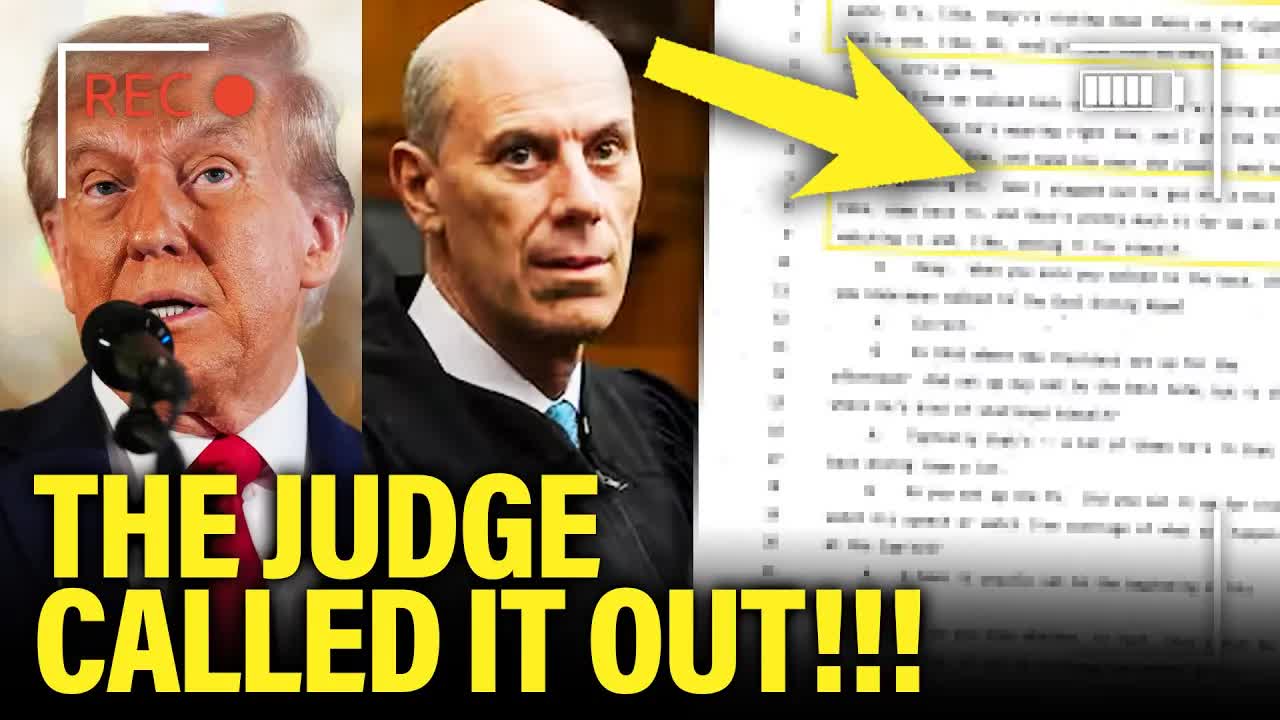
In a recent federal court hearing, Chief Judge Beryl A. Boasberg expressed concerns that former President Donald Trump is intentionally stalling his criminal case to align it with the upcoming election cycle.
This revelation comes from an unsealed transcript reported by Politico, shedding light on the legal maneuvering surrounding Trump’s ongoing legal battles.
The hearing, which took place in March 2023, has only now been made public, sparking renewed discussions about the implications of Trump’s actions.
During the hearing, the chief judge presided over a discussion regarding subpoenas for testimony from two key aides of former Vice President Mike Pence, Mark Short and Greg Jacobs.
Their testimonies are crucial to the prosecution’s case concerning alleged election interference by Trump and his associates.
The prosecution argues that Trump orchestrated a pressure campaign against Pence to prevent the certification of Joe Biden’s victory on January 6, 2021.
This alleged strategy aimed to overturn the election results and secure a second term for Trump.
Trump’s legal team sought a two-week delay in the proceedings, claiming they needed additional time to prepare.
However, the prosecution countered this request, warning that granting such delays could lead to serious consequences.
They argued that extended timelines would allow Trump to potentially obstruct justice, tamper with witness testimonies, and further complicate the investigation as it neared the election season.
Judge Boasberg highlighted the urgency of the situation, emphasizing that the special counsel’s investigation must proceed swiftly to avoid interfering with the electoral process.
He pointed out that Trump is not lacking in resources, as evidenced by the presence of multiple law firms representing him.
The judge deemed a 48-hour window sufficient for Trump to respond, underscoring the need for a prompt resolution to uphold public interest.
The judge’s comments reflect a growing frustration among federal judges regarding Trump’s repeated attempts to delay legal proceedings.
Throughout his various legal challenges, there has been a consistent pattern of behavior suggesting that Trump is leveraging the judicial system to buy time, potentially impacting the timing of his prosecution as the election approaches.
The testimonies of Short and Jacobs are pivotal, as both have previously provided evidence to the January 6 committee.
Jacobs, serving as Pence’s attorney, played a critical role in advising the vice president against taking actions that could undermine the democratic process.
He sought external legal counsel to ensure Pence adhered to his constitutional duties during the certification of the election results.
Short, who was also privy to discussions within the Trump administration, warned that Trump might turn against Pence, using social media to exert pressure.
This prediction became a grim reality during the Capitol riots when chants of “hang Mike Pence” echoed through the halls.
The testimonies from both aides are expected to corroborate the prosecution’s narrative regarding Trump’s actions leading up to and during the insurrection.
As the legal proceedings unfold, the implications of Judge Boasberg’s remarks resonate beyond the courtroom.
His assertion that Trump’s strategies may intersect with the election cycle raises questions about the integrity of the legal process and its ability to function independently from political considerations.
The judge’s foresight in recognizing the potential for manipulation serves as a stark reminder of the delicate balance between justice and politics.
The recent developments underscore the importance of transparency in the judicial process.
As more transcripts and evidence come to light, the public gains insight into the complexities of the case.
The role of the media in uncovering these details cannot be overstated, as it plays a critical part in holding the justice system accountable and ensuring that the truth prevails.
With the election looming, the pressure is mounting for all parties involved.
The prosecution aims to present a compelling case against Trump, while the former president’s team continues to seek delays and advantages.
The outcome of this legal battle will not only impact Trump’s future but also set precedents for how similar cases are handled in the future.
In the coming weeks, as the legal landscape evolves, the focus will remain on the testimonies of key witnesses and the judge’s rulings.
The intersection of law and politics is more evident than ever, and the stakes are high for democracy itself.
As we await further developments, one thing remains clear: the courtroom drama is far from over, and the implications of these proceedings will echo throughout the nation.
Read more
