









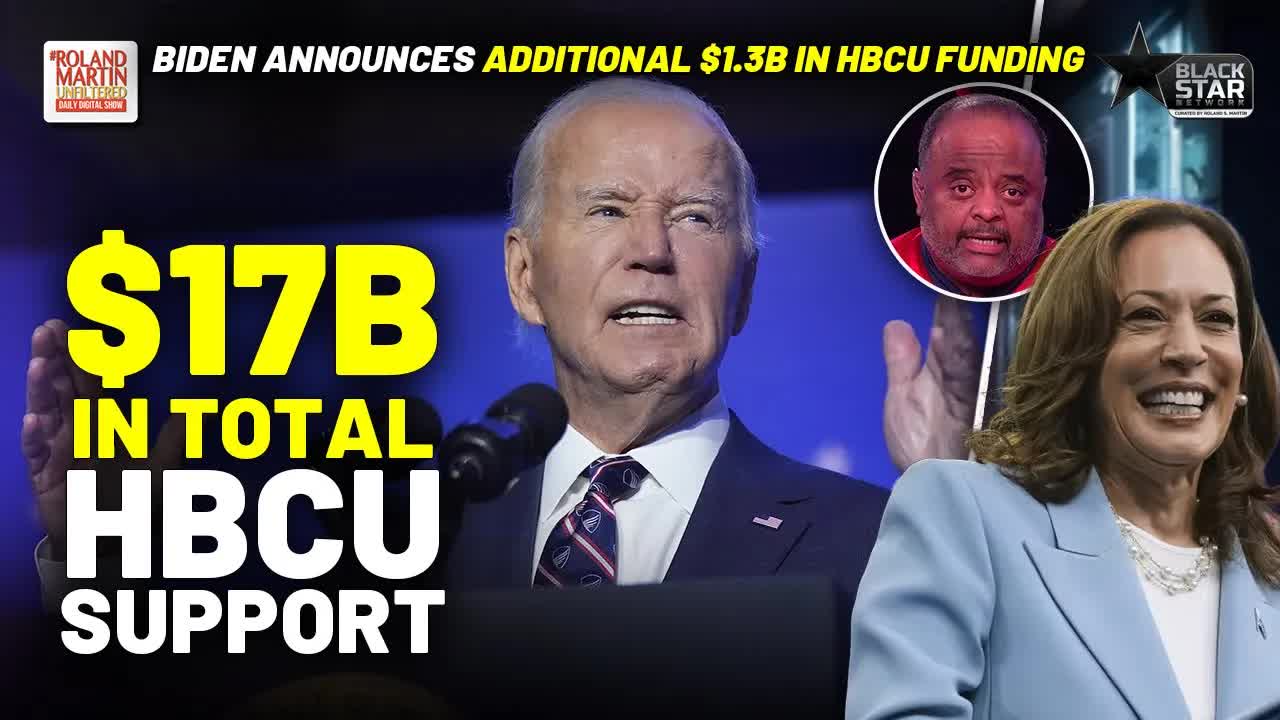
President Joe Biden recently inaugurated the National Historically Black Colleges and Universities (HBCU) Week Conference in Philadelphia, an annual gathering that celebrates the contributions and significance of these institutions across the nation.
This three-day event serves as a platform to highlight the achievements of historically Black colleges and universities, which play a crucial role in fostering academic excellence among their students.
During his address, President Biden emphasized the strides his administration has made in supporting HBCUs over the past nearly four years.
He passionately declared that HBCU students possess the same capabilities as their peers at other universities, but lamented the financial disparities that hinder these institutions.
“HBCUs don’t have the endowments that many other colleges do, which limits their ability to fund essential programs,” he stated, underscoring the need for increased investment.
Biden proudly announced a groundbreaking commitment of $17 billion for HBCUs, marking the largest financial support any administration has ever pledged to these institutions.
“Don’t let anyone deceive you,” he urged, referencing misleading claims from previous administrations.
This significant funding aims to bolster research facilities, improve campus infrastructure, and enhance educational resources for students.
Joining the President was Stephen Benjamin, Assistant to the President and Director of Public Engagement.
Benjamin echoed Biden’s sentiments, highlighting the tangible impact of this funding not just on students and faculty, but also on the surrounding communities.
He noted that this year alone, $1.3 billion has been allocated specifically for HBCUs, demonstrating the administration’s commitment to investing in education and economic growth.
The conversation turned to the broader implications of HBCUs, with Benjamin pointing out their vital role in producing a significant percentage of Black professionals across various fields.
“Forty percent of all Black engineers, fifty percent of all Black teachers, and seventy percent of all Black doctors and dentists come from HBCUs,” he revealed, emphasizing their importance as educational powerhouses.
Benjamin also shared personal anecdotes, including his daughter’s experience at Spelman College, illustrating the talent and ambition fostered within these institutions.
He highlighted the administration’s efforts to appoint more Black women to judicial positions, reinforcing the idea that HBCUs are not only educational institutions but also critical contributors to societal progress.
The economic impact of HBCUs was another focal point of the discussion.
According to a report from the Council of Economic Advisors, HBCUs generate an annual economic impact of $16.5 billion and contribute $146 billion in collective lifetime earnings for their graduates.
This data underscores the transformative potential of HBCUs, particularly for low-income and first-generation students who often achieve upward mobility through their education.
Biden’s administration has also prioritized increasing Pell Grants, which benefit HBCU students significantly.
With record-low unemployment rates for Black Americans and a surge in Black-owned businesses, the President’s initiatives aim to close the wealth gap and promote equity across the board.
The administration’s focus on addressing systemic inequalities has been evident in its approach to economic recovery post-pandemic.
In his speech, Biden reflected on his past visits to HBCUs, recalling how those experiences ignited his commitment to advocate for these institutions.
He expressed his determination to make a lasting difference by ensuring that HBCUs receive the support they need to thrive.
However, the discussion was not without its challenges.
Benjamin addressed criticisms aimed at the Congressional Black Caucus, defending their role in advocating for Black communities.
He emphasized the necessity of collaboration among various sectors, including government, philanthropy, and community organizations, to tackle complex societal issues effectively.
As the conversation wrapped up, the focus remained on the importance of continued investment and support for HBCUs.
The administration’s commitment to these institutions is not merely about funding; it’s about recognizing their integral role in shaping the future of America.
With a clear roadmap laid out, the hope is that the momentum generated will lead to even greater advancements in education and equity for generations to come.
Read more
