
Tonight marks a significant moment in the political arena as J.D.
Vance and Tim Walz face off in what many are calling the most awaited vice presidential debate in recent memory.
The stakes are high, and the atmosphere is charged with excitement and tension.
As the debate approaches, Donald Trump is busy rallying his base, preparing them for what he seems to expect will be a challenging night for Vance.
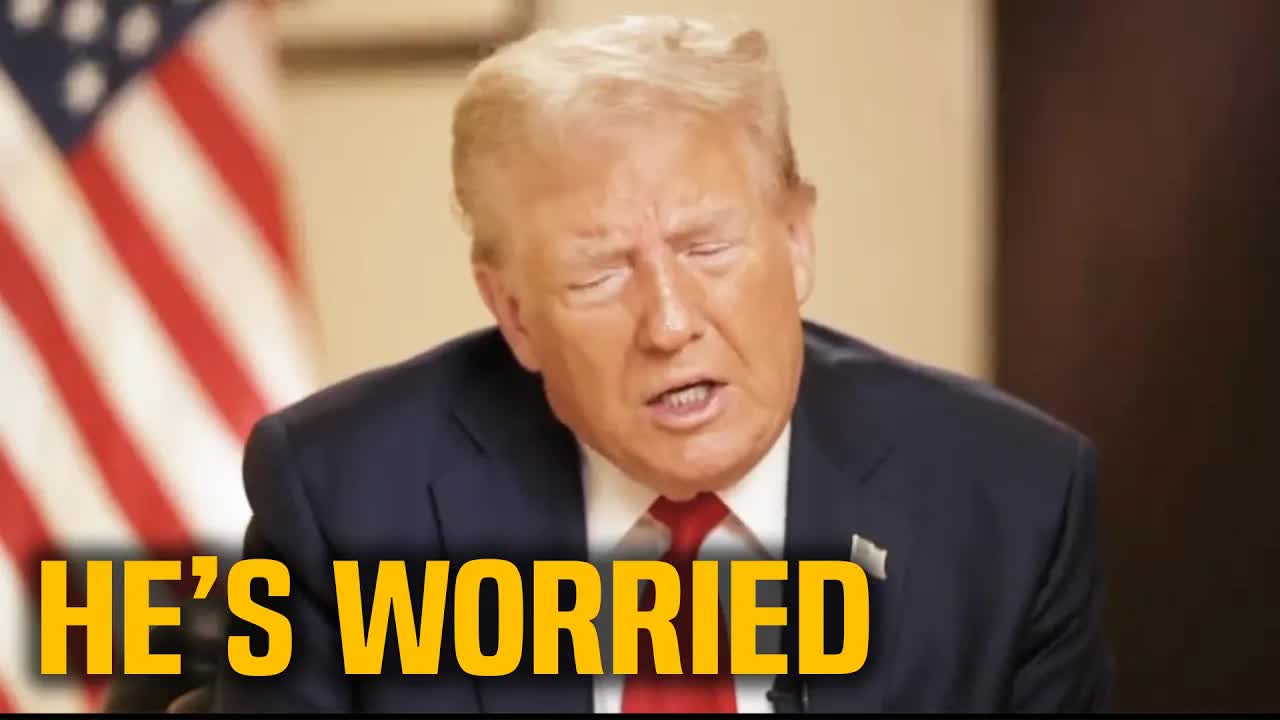
In a rather peculiar interview with Kellyanne Conway on Fox Nation, Trump hinted at the possibility of a disastrous performance from Vance.
He described the debate environment as “stacked” against his candidate, suggesting that external factors would play a significant role in how Vance is perceived.
It’s almost like he’s setting the stage for an excuse, laying the groundwork for why Vance might struggle tonight.
Trump’s comments reveal a strategy that aims to cushion the blow of potential criticism.
By framing the debate as unfairly rigged, he hopes to shift blame away from Vance’s performance.
If Vance falters, Trump wants his supporters to believe it’s due to biased moderators or other external pressures, rather than any shortcomings in substance or delivery.
As Trump gears up for the debate, he expressed a desire for more opportunities to engage in debate, claiming he enjoys the format.
However, this enthusiasm seems to mask a deeper fear of Vance’s impending performance.
With only a month left until the election, Trump’s call for additional debates could be interpreted as desperation.
After all, if the first debate goes poorly, why would he want to risk more?
The rules for tonight’s debate have been set, and they appear to be designed to maintain a level playing field.
CBS News, which is hosting the event, has laid out guidelines that include a 90-minute duration, two-minute response times, and no audience present.
This setup aims to ensure that both candidates can focus solely on the issues at hand without outside distractions.
Interestingly, Vance won a virtual coin toss and will deliver his closing statement second, leaving the audience wondering how he will manage the pressure.
The absence of opening statements and the prohibition on notes or props means that both candidates will need to rely entirely on their verbal skills.
Will Vance rise to the occasion, or will he struggle under the spotlight?
Critics have pointed out that the debate format may not allow for in-depth discussions.
The two-minute response time, while better than some previous formats, still limits the candidates’ ability to fully articulate their positions.
Observers recall instances where candidates, including Trump himself, ran out of things to say, leading to awkward pauses and half-finished thoughts.
The moderators have the discretion to extend time if needed, but will that be enough to encourage meaningful dialogue?
Given Vance’s track record, many are curious to see if he can fill the time with substantial content or if he’ll resort to filler material.
It’s a high-stakes game of verbal chess, and the outcome remains uncertain.
As anticipation builds, the political landscape continues to shift.
Trump’s remarks about women supporting his stance on Roe v. Wade sparked controversy, suggesting a disconnect between his views and those of many Americans.
Polls indicate that a significant number of voters support the framework established by Roe v. Wade, highlighting a potential vulnerability for Vance if he aligns too closely with Trump’s rhetoric.
Amidst all this, Trump remains confident in his movement, asserting that MAGA is thriving despite opposition.
He portrays himself as a champion of the people, insisting that his agenda resonates with a broad audience.
But will that confidence translate into support for Vance during tonight’s debate?
As the clock ticks down to the start of the debate, the question lingers: Can J.D.
Vance hold his ground against Tim Walz, or will he succumb to the pressure of expectations set by Trump?
The answer lies just moments away, and the political world will be watching closely.
Read more
