





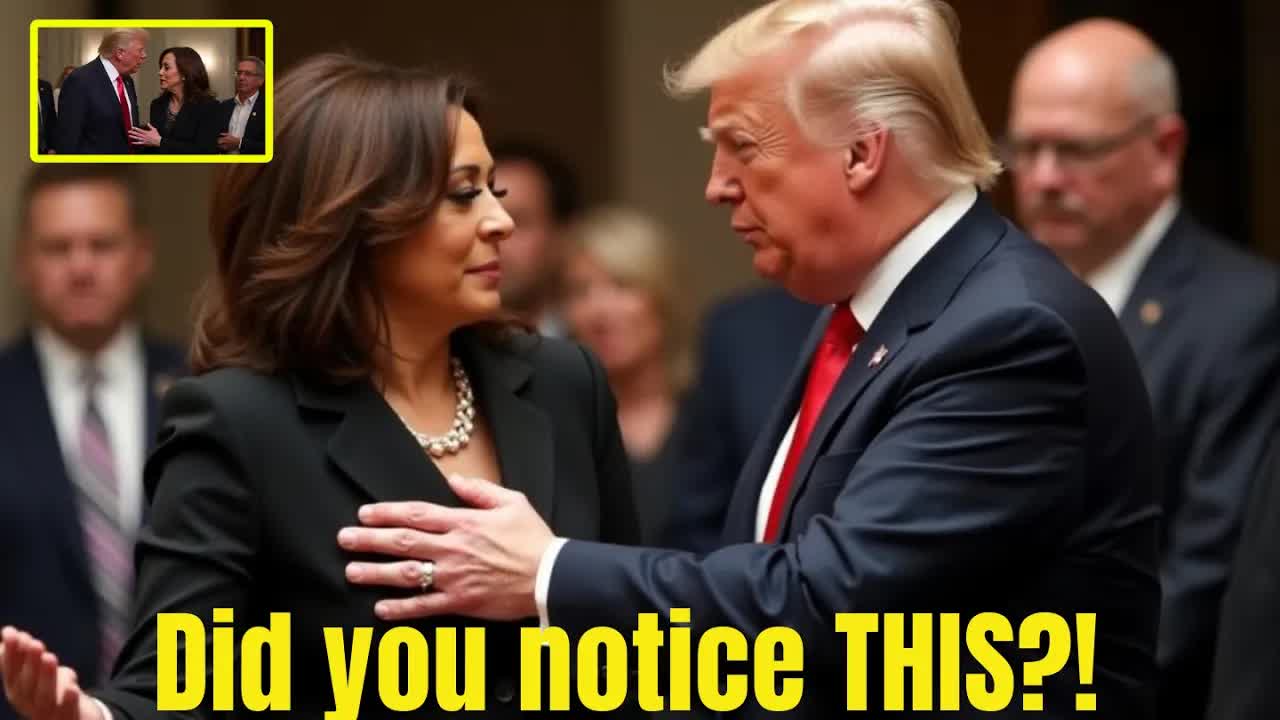
In a landscape filled with political hyperbole, the notion that a vote for Donald Trump could be the last one many Americans ever cast is raising eyebrows.
This exaggeration highlights the deep-seated fears surrounding Trump’s potential return to power, which many see as a direct threat to the very fabric of democracy.
The former president, who previously held the office from 2017 to 2021, is once again throwing his hat into the ring, prompting concerns reminiscent of authoritarian regimes.
Trump’s past actions, particularly the insurrection at the Capitol on January 6, 2021, have left an indelible mark on American politics.
As he embarks on another campaign, his rhetoric grows increasingly alarming.
He has openly suggested that he would consider terminating the Constitution to secure his presidency, drawing unsettling comparisons to historical figures like Mussolini and Pinochet, who similarly dismantled democratic frameworks to consolidate power.
The implications of Trump’s ambitions are worrisome.
Reports indicate that he plans to purge tens of thousands of civil servants, replacing them with loyalists akin to tactics employed by Viktor Orban in Hungary.
This strategy, designed to undermine institutional integrity, raises serious questions about the future of democracy in the United States.
With Trump’s chances of winning becoming more tangible, the urgency for citizens to engage in the political process intensifies.
As discussions around Trump’s influence continue, the Lincoln Project—a political organization dedicated to opposing him—has released ads that resonate with many voters.
Their messaging underscores the dire consequences of allowing Trump to regain power, framing it as a choice between safeguarding democracy or witnessing its demise.
The time for complacency is over; it’s crucial for voters to take a stand.
Critics have not held back in their assessments of Trump’s behavior and statements.
Some describe him as “weird in a bad way,” referencing his controversial comments about family members and his peculiar public persona.
This characterization reflects a broader unease about his suitability for leadership, particularly when juxtaposed against historical figures known for their authoritarian tendencies.
During recent events, Trump has praised Viktor Orban, the leader of Hungary, for his hardline policies on immigration and governance.
His admiration for Orban, who has faced criticism for undermining democratic institutions, raises eyebrows.
Trump’s remarks suggest he views such leadership as effective, further fueling concerns about his intentions should he reclaim the presidency.
In a recent speech, Trump reminisced about what he claims was a golden era during his presidency, asserting that the world respected him and that the U.S. was free from the turmoil seen today.
He painted a picture of a nation that thrived under his leadership, contrasting it sharply with the current administration’s challenges.
This narrative plays well with his base but does little to address the complexities of today’s political climate.
Moreover, Trump’s comments on energy policies and economic issues reflect a populist approach that appeals to many voters grappling with rising costs.
By invoking Herbert Hoover, he positions himself as a champion of the common man, suggesting that current policies could lead to a repeat of the Great Depression.
This rhetoric aims to rally support by tapping into economic anxieties.
The abortion debate also looms large as Trump navigates his political comeback.
A recent ballot measure in Florida seeks to legalize abortion until fetal viability, challenging the state’s stringent six-week ban.
Trump’s remarks on this issue have sparked backlash from his anti-abortion supporters, who fear a shift in his stance.
The tension illustrates the precarious balance Trump must maintain to keep his coalition intact.
As the political landscape shifts, the stakes are higher than ever.
The outcome of the upcoming ballot measure could have significant implications for abortion rights not just in Florida, but potentially across the nation.
The ongoing discourse surrounding these issues highlights the intricate interplay between personal beliefs, political influence, and the future of American democracy.
In this charged atmosphere, it is essential for voters to remain vigilant.
The choices made at the ballot box in the coming years will shape the trajectory of the nation.
Engaging in informed discussions and understanding the ramifications of political decisions is crucial for preserving the democratic values that define the United States.
The time to act is now, as the future hangs in the balance.
Read more
